Blog

How to Choose Rigid Paperboard Canisters in 2026

How to Choose Rigid Paperboard Canisters in 2026

Choosing Rigid paperboard canisters in 2026 requires more than comparing colors, prices, and printed finishes. The right canister must protect its contents during filling, transport, storage, and daily handling. A narrow tea canister may need a moisture barrier, while a powdered product may require stronger seams and a tighter lid. Packaging professor Dr. Susan Selke offers a useful principle: “Packaging performance begins with the product, not the shape of the container.” That idea deserves attention. Before selecting a supplier, define the product’s weight, moisture sensitivity, aroma, shelf life, and filling temperature. Then examine board thickness, inner liners, closure design, and seam construction. A glossy surface can look premium, yet it may hide weak compression strength. Appearance is not performance. Practical testing should guide the final decision. Request samples and inspect them after stacking, opening, and exposure to ordinary humidity. Check whether the lid remains secure and whether the rim bends during repeated use. Ask for material specifications, food-contact documentation where relevant, recycled-fiber percentages, and print-finish details. Suppliers should explain their quality controls clearly. Some choices will remain imperfect. A thicker board may improve protection but increase material use and shipping weight. A highly recycled structure may support sustainability goals, yet it can vary in stiffness. The best decision balances evidence, cost, durability, and user experience. This guide explains how to compare those factors carefully before committing to a 2026 packaging program.
Read more »
Ethan By:Ethan - November 1, 2026
How to Source Barrier Lined Paperboard Trays in 2026?

How to Source Barrier Lined Paperboard Trays in 2026?

Sourcing Barrier-lined paperboard trays in 2026 requires more than comparing unit prices. Buyers must connect barrier performance, fiber quality, sealing behavior, and end-of-life expectations. A tray may look sustainable on a sample table, yet fail during filling, freezing, reheating, or transport. David Luttenberger, a long-time packaging industry analyst, has often stressed, “Packaging must protect the product first.” That principle remains practical. Protection comes before attractive sustainability claims. However, protection should not become an excuse for excessive material use. This guide examines how to evaluate suppliers with clear, measurable criteria. Check the paperboard grade, coating chemistry, moisture resistance, oxygen resistance, and grease performance. Ask for current technical data, migration documentation, and independent test results. Confirm whether the tray runs on your existing forming, lidding, and sealing equipment. Small details matter. A weak rim can cause leakage. An uneven coating can disrupt heat sealing. A beautiful prototype can still fail after twelve hours in cold storage. Reliable sourcing also requires supplier experience. Review production capacity, minimum order quantities, quality controls, traceability, and lead times. Request pilot samples before approving large volumes. Test them with the actual food, temperature range, filling weight, and distribution route. There is no universal “best” Barrier-lined paperboard trays solution. A grease-resistant tray for bakery products may not suit a wet frozen meal. Specifications must follow real use conditions, not marketing language. The process is not flawless. Data can be incomplete. Recycling claims can vary by region. Careful buyers question assumptions, document decisions, and leave room for improvement. That discipline creates a stronger sourcing decision for 2026.
Read more »
Amelia By:Amelia - October 27, 2026
2026 Best Microwave Susceptor Packaging Suppliers?

2026 Best Microwave Susceptor Packaging Suppliers?

Microwave susceptor packaging is becoming a practical differentiator in frozen meals, pizzas, pastries, and crisp snack formats. It combines a thin metallized layer with paperboard or polymer structures. That layer converts microwave energy into surface heat, helping create browning, crunch, and a more oven-like finish. Small details matter. Grand View Research reports continued growth in the global microwave packaging market, supported by convenience foods, urban lifestyles, and expanding ready-meal consumption. Smithers’ packaging outlook also identifies food convenience and higher-value performance features as important market drivers through the decade. These reports point toward opportunity, but they do not guarantee product success. Testing still decides the outcome. Dr. Shyam S. Sablani, a food-processing and microwave-heating researcher, has stated, “Microwave heating can be nonuniform.” That observation explains why supplier selection requires more than reviewing a glossy sample. Buyers should examine susceptor coating consistency, seal strength, oxygen barriers, grease resistance, food-contact documentation, and performance across different microwave wattages. A package that crisps one pizza may soften another. That gap matters. This guide evaluates leading Microwave susceptor packaging suppliers through material capability, converting experience, customization, quality systems, and technical support. It also considers practical production details, such as whether the susceptor stays aligned inside a sleeve or tray during automated filling. Supplier claims deserve verification. Pilot trials, independent testing, and clear specifications remain essential. The strongest partner is not always the largest company; sometimes, it is the supplier that explains limitations honestly and improves the design with you.
Read more »
Oliver By:Oliver - October 22, 2026
How to Choose Commercially Compostable Packaging in 2026?

How to Choose Commercially Compostable Packaging in 2026?

Choosing Commercially compostable packaging in 2026 requires more than selecting a “green” label. The real question is whether the package can break down in a suitable commercial composting facility, under controlled heat, moisture, oxygen, and time. A coffee cup may look responsibly designed, yet its lining could remain intact after processing. Its lid might require a different collection route. Small details matter. David Newman, a long-time bioplastics industry specialist, has warned: “Compostable packaging is not a silver bullet.” That caution should guide every purchasing decision. Buyers should request current certification evidence, such as EN 13432 or ASTM D6400, and verify what the certification actually covers. Does it apply to the full package, including inks, adhesives, labels, and coatings? Ask local waste operators whether they accept the material. Certification alone does not guarantee real-world recovery. Experience also shows that food-service environments create difficult conditions. A greasy tray, a wet napkin, or a thin film can confuse sorting teams and contaminate recycling streams. The better choice may sometimes be reusable packaging, recyclable fiber, or simple material reduction. That is uncomfortable, but honest. This guide will examine material claims, supplier documentation, facility access, performance, cost, and customer communication. It will also question attractive assumptions. Commercially compostable packaging can be useful, but only when its entire journey makes sense. Otherwise, the package may offer a promise without a practical destination.
Read more »
Amelia By:Amelia - October 17, 2026
How to Choose Foodservice Cold Cups and Lids for Business?

How to Choose Foodservice Cold Cups and Lids for Business?

Choosing Foodservice cold cups and lids is an operational decision, not a packaging afterthought. A leaking lid can stain a delivery bag, slow a queue, and damage customer trust within seconds. The National Restaurant Association’s 2024 State of the Restaurant Industry report projected U.S. restaurant sales above $1 trillion. That scale makes small packaging failures expensive. Every cup matters. Market reports also show why buyers face confusing choices. Grand View Research’s Disposable Cups Market analysis reports continued global growth through 2030, driven partly by takeaway drinks and convenience-focused consumption. However, market estimates differ by material, region, and product definition. This limitation deserves attention. A broad disposable-cup statistic cannot automatically predict demand for your iced coffee program. Buyers should compare actual order volumes, drink temperatures, ice levels, and delivery distances. A practical review starts with the drink. Match cup volume to portion size, then test the lid with a full cup, heavy ice, and a ten-minute carry. Check rim fit, straw opening, stackability, condensation, and sleeve compatibility. Paperboard, PET, polypropylene, and compostable formats can perform differently under pressure. Supplier claims should be supported by food-contact documentation, quality records, and independent testing where appropriate. The Foodservice Packaging Institute emphasizes performance, responsible sourcing, and end-of-life considerations across foodservice packaging decisions. Cost still matters, but the cheapest option may create higher waste and replacement expenses. I would not treat sustainability labels as proof of better performance. Ask harder questions. A strong purchasing decision balances protection, customer experience, operational speed, and credible evidence.
Read more »
Oliver By:Oliver - October 12, 2026
Top 10 Basket Carrier Multipacks for Global Buyers?

Top 10 Basket Carrier Multipacks for Global Buyers?

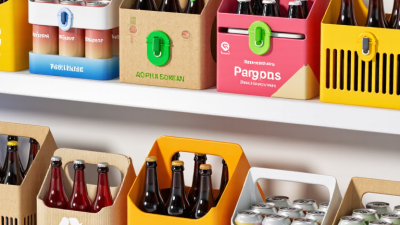
Choosing the right Basket carrier multipacks requires more than comparing pack prices. Global buyers must assess strength, materials, filling speed, shelf appeal, and transport efficiency. For beverage manufacturers, a carrier must hold securely through production, shipping, retail handling, and consumer use. A wet carton, weak handle, or poorly balanced pack can create costly complaints. The OECD’s Global Plastics Outlook (2022) reports that only about 9% of global plastic waste was recycled. This makes material selection and end-of-life planning increasingly important. That statistic matters. Smithers’ The Future of Global Packaging to 2028 identifies sustainability, lightweighting, and packaging efficiency as major market forces. These priorities influence paperboard, molded-fiber, and recyclable plastic carrier designs. Small details matter. A stronger locking tab may reduce product loss. A lighter board grade may lower emissions, but it can also reduce stacking performance. This guide examines ten Basket carrier multipacks suited to different global buying situations. Each selection considers carrier construction, pack stability, material communication, production compatibility, and likely retail performance. We will also consider regional recycling expectations and practical documentation, including material specifications and test results. The best option is not always the cheapest one. It may be the pack that survives a humid warehouse and remains easy to carry. No ranking is universal. A design performing well in Europe may need changes for tropical distribution or automated filling lines. I may favor balanced, evidence-based choices, but supplier claims still require verification. That is essential. Buyers should request samples, compression testing, and clear compliance documents before committing to volume orders. The goal is simple: reliable multipacks with fewer surprises.
Read more »
Amelia By:Amelia - October 7, 2026
How to Source Clip Style Multipack Cartons Globally?

How to Source Clip Style Multipack Cartons Globally?

Sourcing Clip-style multipack cartons globally requires more than comparing unit prices. Buyers must connect carton design, supplier capability, shipping conditions, and market requirements. A carton may look excellent on a screen, yet fail after several weeks in humid transit. That lesson is easy to overlook. An experienced sourcing process begins with a clear packaging brief. Specify board grade, caliper, dimensions, print colors, coating, closure style, and packing configuration. Include the product weight and expected shelf environment. Ask suppliers for factory photographs, production samples, quality records, and relevant material certifications. Independent verification can add confidence, especially when the supplier is located far from the buying team. Test before scaling. Request prototypes and inspect the clip mechanism, folding accuracy, glue strength, and surface finish. Compression tests can reveal weak corners. Humidity testing may expose warping or adhesive failure. A packaging engineer should review the carton’s fit around the products, not only its appearance. Small dimensional errors can create expensive packing delays. Global sourcing also involves practical questions. Confirm minimum order quantities, tooling ownership, lead times, payment terms, carton labeling, and export documentation. Compare landed cost rather than factory price alone. Freight, inspection, duties, storage, and rejected units can change the result. No sourcing plan is flawless. Forecasts shift, suppliers make mistakes, and samples may not represent full production. Build inspection checkpoints into the purchase agreement. Keep approved samples and written specifications. With careful validation and honest supplier communication, Clip-style multipack cartons can support reliable presentation, efficient packing, and more predictable international supply.
Read more »

Ethan By:Ethan - October 2, 2026
Top 10 Bag in Box Packaging Suppliers Worldwide?

Top 10 Bag in Box Packaging Suppliers Worldwide?

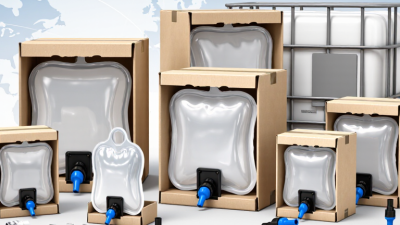
Bag-in-box packaging is more than a flexible pouch inside a carton. It is a coordinated system: a barrier film, a reliable fitment, a sturdy outer case, and a tap that works cleanly when the pouch is nearly empty. For beverage, food, and other liquid producers, small design choices matter. A weak seal can mean product loss; an awkward tap can frustrate customers. The right supplier must understand the liquid, filling process, transport conditions, and end-user experience—not simply offer a low unit price. Packaging educator and author Walter Soroka describes packaging as “the science, art and technology of enclosing or protecting products for distribution, storage, sale, and use.” That definition is a useful lens for comparing suppliers. This guide’s Top 10 examines capabilities such as material options, fitment design, filling-line compatibility, quality controls, technical support, and regional service. Rankings can never fit every operation. A small winery and a high-volume sauce producer may need very different solutions. Look closely. Ask how suppliers validate seals, handle real-world filling trials, and support changes in product or volume. Published specifications are useful, but they do not replace a line test. Nor does a polished brochure guarantee dependable service. Some comparisons remain imperfect; supplier data is not always presented in the same way. Still, practical questions reveal a lot. The strongest partner is the one whose packaging performs consistently from the filling room to the last pour.
Read more »
Oliver By:Oliver - September 25, 2026
What Are Heavyweight Folding Cartons Used For?

What Are Heavyweight Folding Cartons Used For?

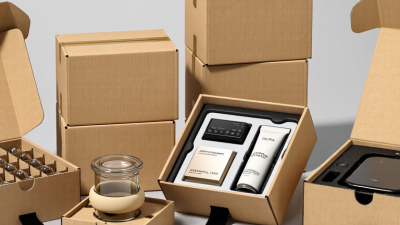
Heavyweight folding cartons are designed for products that need more than a light paperboard sleeve. They use thicker, sturdier board to help protect items during handling, stacking, and transport. Think of a premium skincare set in a firm carton, a glass jar held in a fitted insert, or a boxed appliance accessory that must arrive without crushed corners. The right construction can improve both protection and shelf presentation. As packaging specialist [Expert Name] puts it, “A carton should protect the product, support its presentation, and suit the way it moves through the supply chain.” This is a proposed quotation, not a verified statement from a named expert; replace it with an approved, source-checked quote before publication. That distinction matters. A credible packaging decision depends on product weight, fragility, dimensions, print requirements, and the conditions expected during shipping and storage. Heavyweight folding cartons can serve cosmetics, electronics, specialty foods, gifts, and other consumer goods. Board grade, carton structure, coatings, and inserts all affect performance and cost. A thicker carton is not automatically the better choice. Excess material can add weight, increase expense, and complicate storage, while a poor fit may still let a product shift inside. Test samples under realistic packing and transit conditions. Pay attention to seams, corners, closure strength, and how easily staff can assemble each carton. There is no universal specification. This guide explains what heavyweight folding cartons are used for, where they add value, and what to check before choosing one.
Read more »
Amelia By:Amelia - September 25, 2026