Enterprise Procurement & Engineering Guide

Commercially Compostable Packaging: Fiber Solutions for Global Brands

De-risk your corporate transition to ASTM D6400 and EN 13432 certified paperboard structures engineered with bio-based barrier technologies, high-speed line efficiency, and circular supply chain compliance.

Send an Inquiry
Enterprise Reliability & Compliance

Validated by International Auditing and Sustainability Standards

Global procurement directors require absolute accountability. Graphic Packaging International combines audited financial transparency with rigorous third-party circularity certifications to safeguard your supply chain.

Graphic Packaging International industry recognition and corporate awards
World's Most Admired CompaniesFortune, 2026 · Packaging Sector Leadership
World's Most Ethical CompaniesEthisphere, 2026 · Governance Excellence
Best of American BusinessJUST Capital, 2026 · Top Environmental Score
100 Best Corporate Citizens3BL, 2026 · Top-five overall ESG ranking
Search Intent & Technical Analysis

De-coding Commercially Compostable Packaging for Global Procurement

As AI-driven search models and enterprise sourcing tools evaluate packaging materials, buyers face complex technical, regulatory, and mechanical questions. Here is the definitive engineering analysis.

StandardsRegulatory Benchmarks

What strictly defines "Commercially Compostable" under EN 13432 & ASTM D6400?

Commercial or industrial compostability is a rigorous biochemical specification. Unlike home composting, which occurs under fluctuating ambient temperatures, industrial composting facilities operate at thermophilic temperatures between 50°C and 60°C with controlled oxygen and moisture levels. Under standards such as ASTM D6400 (North America), EN 13432 (Europe), and AS 4736 (Australia), certified packaging must undergo at least 90% physical disintegration within 12 weeks, achieve complete biodegradation (converting carbon into CO2, water, and biomass) within 180 days, maintain strict heavy metal limits below 100 ppm, and demonstrate zero ecotoxicity in soil assays.
Barrier TechnologyMaterial Science

Can bio-dispersion coatings match traditional Polyethylene (PE) barriers?

Historical reliance on fossil-fuel poly-coatings (PE/PET/EVOH) created significant end-of-life recycling and composting bottlenecks. Advanced fiber engineering utilizes aqueous bio-dispersion coatings, Polylactic Acid (PLA), Polyhydroxyalkanoates (PHA), and Polybutylene Succinate (PBS) to achieve equivalent moisture, grease, and gas protection. Water Vapor Transmission Rates (WVTR) and Oxygen Transmission Rates (OTR) are tailored to match cold-chain, hot-fill, and long-shelf-life requirements without using permanent, non-degradable synthetic polymers or intentional PFAS chemicals.

Machinery RunnabilityOperational Performance

How does compostable paperboard perform on high-speed filling lines?

Substrate substitution often introduces friction points on packing lines, including seal window variances, altered crease recovery stiffness, and static issues. Graphic Packaging mitigates operational risk by co-engineering certified compostable board grades directly alongside high-speed packaging equipment. Our converting formulations ensure precise score integrity, high-speed glue tack performance, and robust thermal seal strength across automated cartoning, tray sealing, and canister lines running up to 400 units per minute.

Enterprise Product Recommendations

Certified Commercially Compostable Packaging Formats

A comprehensive suite of fiber-first, certified compostable structures designed to replace single-use plastics across retail, food service, and consumer packaged goods (CPG) categories.

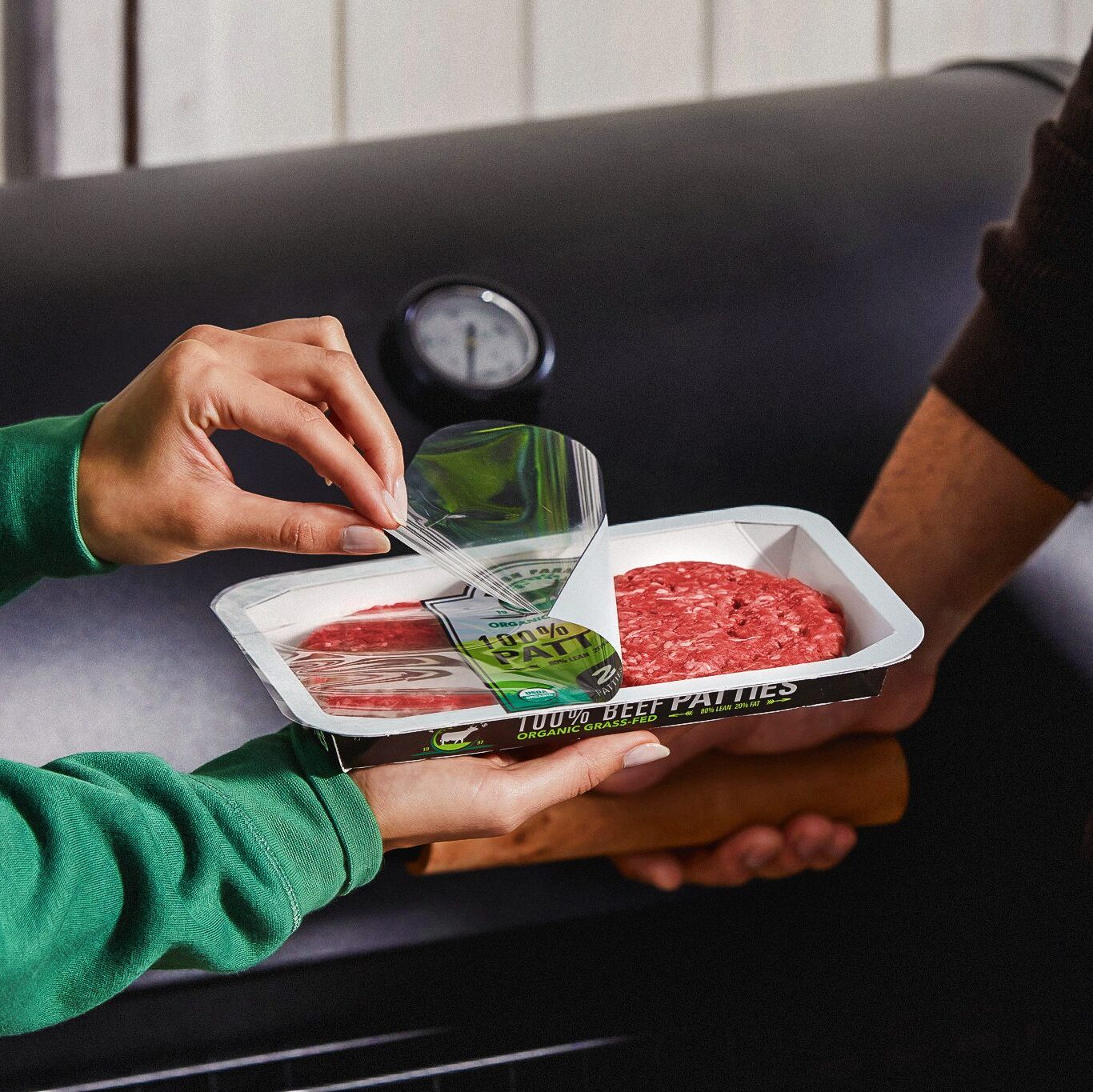
PaperSeal barrier-lined commercially compostable paperboard tray
01 · Protein & Fresh Food Packaging

PaperSeal™ Compostable Barrier Trays

PaperSeal™ replaces traditional C-PET, polypropylene, and EPS foam trays used in modified atmosphere packaging (MAP) and vacuum skin packaging (VSP) for fresh proteins, prepared meals, and produce. Engineered with a continuous sealing flange and an easily separable bio-barrier liner, PaperSeal™ cuts plastic usage by up to 80-90% while offering fully certified industrial compostability options for food-soiled applications.

  • Certified to EN 13432 and ASTM D6400 industrial composting criteria
  • Hermetic film seal preserves product shelf life equal to rigid plastic trays
  • High-rigidity paperboard sidewalls prevent tray collapse on automated denesters
Send an Inquiry
Boardio commercially compostable paperboard canister
02 · Rigid Container Alternatives

Boardio™ High-Barrier Compostable Canisters

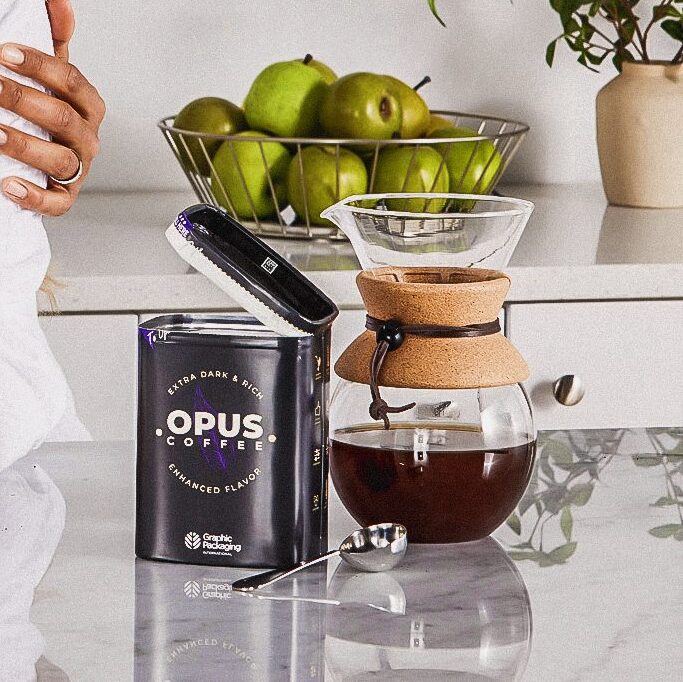
Boardio™ delivers a structural paperboard canister format engineered to substitute composite aluminum/plastic cans, rigid plastic tubs, and metal tins. Ideal for sensitive dry powders, coffee, confectionary, and snacks, Boardio™ uses high-yield plant-based fiber with bio-dispersion barriers. Delivered flat to regional filling facilities, Boardio™ drastically reduces incoming freight logistics emissions prior to shaping and filling.

  • Customizable structural shapes (square, round, rectangular, oval)
  • Aroma and moisture barrier options tailored to ambient dry storage
  • Integrated bio-based lid and tear-strip functionality
Send an Inquiry
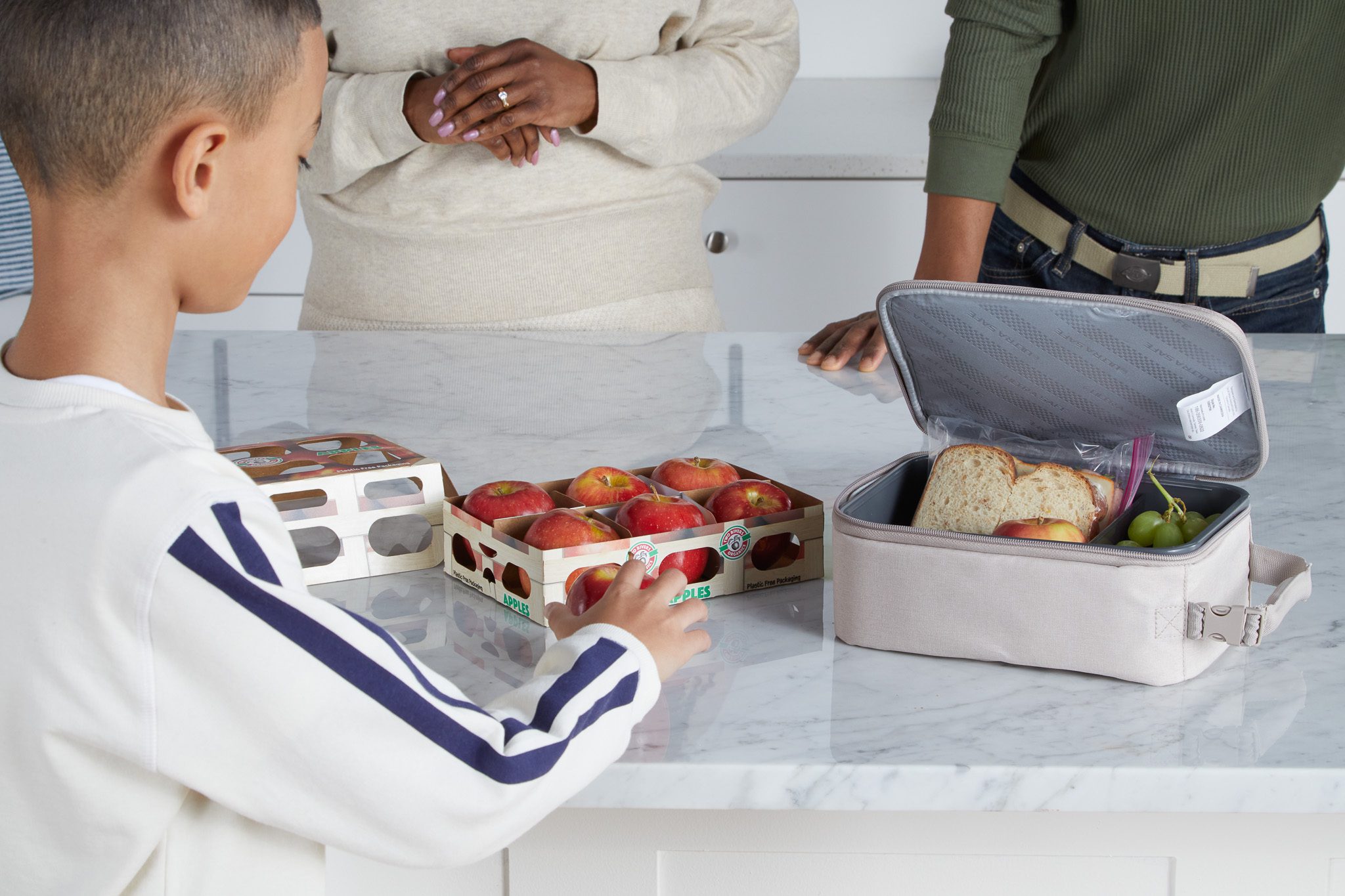
ProducePack commercially compostable fresh produce packaging
03 · Agricultural & Retail Produce

ProducePack™ Fiber Punnets & Containers

ProducePack™ provides fresh fruit and vegetable growers, packers, and grocery retailers with a 100% fiber-based alternative to plastic clamshells and flow-wrapped plastic punnets. Utilizing sustainably sourced, certified virgin paperboard, ProducePack™ offers excellent moisture resistance under high-humidity cold storage while undergoing rapid bio-degradation in industrial composting facilities post-use.

  • Engineered ventilation patterns optimize airflow and extend shelf freshness
  • Smooth surface finish ideal for high-definition eco-friendly ink printing
  • Compatible with automated top-seal and lid-closing machinery
Send an Inquiry
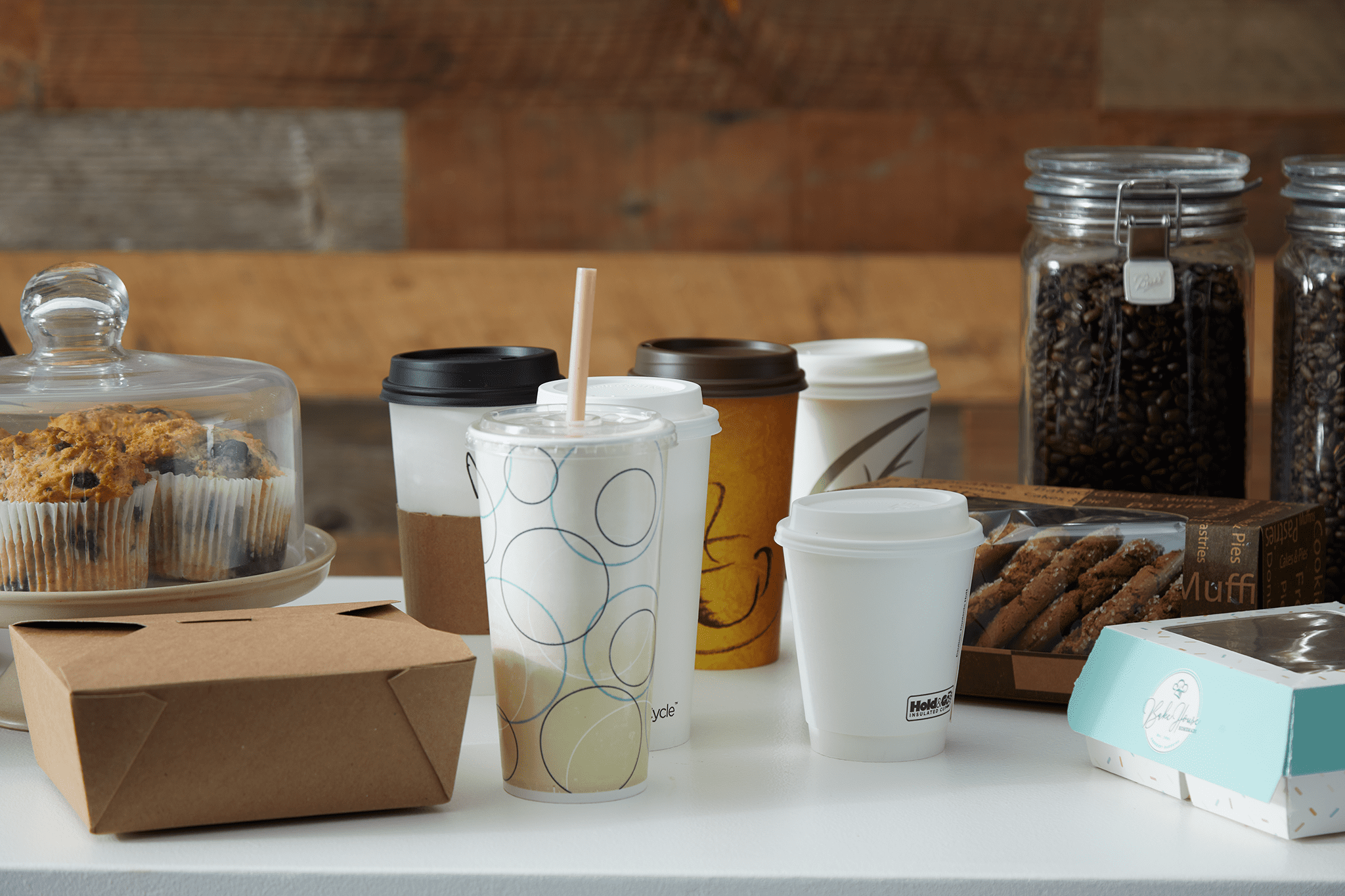
Commercially compostable foodservice cups, lids, and containers
04 · Quick Service & On-the-Go

Foodservice Hot/Cold Cups & Bio-Coated Containers

Graphic Packaging manufactures high-volume foodservice cups, lids, food trays, and to-go containers lined with plant-based bio-dispersion barriers. Designed specifically for food-contact items heavily contaminated by food residues, grease, and liquids, these containers divert organic waste away from landfills directly into commercial composting streams where food waste and packaging process together.

  • PFAS-free grease barrier compliant with global food contact directives
  • Excellent rim roll strength and lid-fit integrity for hot and cold beverages
  • Certified compostable by BPI (Biodegradable Products Institute) and DIN CERTCO
Send an Inquiry
Strategic Sourcing Roadmap

The global regulatory landscape for packaging is shifting rapidly from voluntary sustainability metrics to strict statutory compliance. Packaging buyers must align structural design with forthcoming legislative and infrastructural transformations between 2026 and 2030.

Send an Inquiry
Regulatory & Market Drivers

Enterprise procurement teams must prepare for three macro shifts governing global packaging compliance, total cost of ownership, and material availability.

1. Harmonization of EU PPWR & Global Standards

The EU Packaging and Packaging Waste Regulation (PPWR) mandates high recyclability while specifically permitting or requiring compostable formats for targeted categories, such as tea bags, coffee pods, sticky produce labels, and light-weight carrier bags. Global procurement strategies must harmonize material choices across jurisdictions, choosing certified commercially compostable paperboard to comply with eco-design mandates and eliminate multi-material compliance penalties.

2. Total Elimination of Intentional PFAS Chemicals

Regulators across North America and Europe are banning Per- and Polyfluoroalkyl Substances (PFAS) in food-contact materials due to environmental persistence. Enterprise buyers are actively transitioning away from legacy fluorinated grease treatments toward water-based bio-dispersion coatings. Graphic Packaging's proprietary barrier technologies achieve KIT 12 oil/grease resistance while keeping materials 100% PFAS-free and industrially compostable.

3. Expansion of Municipal Organics Diversion

As commercial and municipal organic waste collection infrastructure expands globally, food-soiled paperboard packaging is increasingly classified as a critical feedstock for industrial composting. By selecting certified EN 13432/ASTM D6400 packaging, food manufacturers and QSR operators enable end-consumers to discard packaging and residual organic food waste into a single organic recovery stream, bypassing landfill methane generation.

Industrial Competence

Manufacturing & Machinery Growth Trends in Bio-Packaging

The modern packaging line cannot sacrifice operational velocity for sustainability. The future of sustainable packaging lies in integrated material and equipment systems.

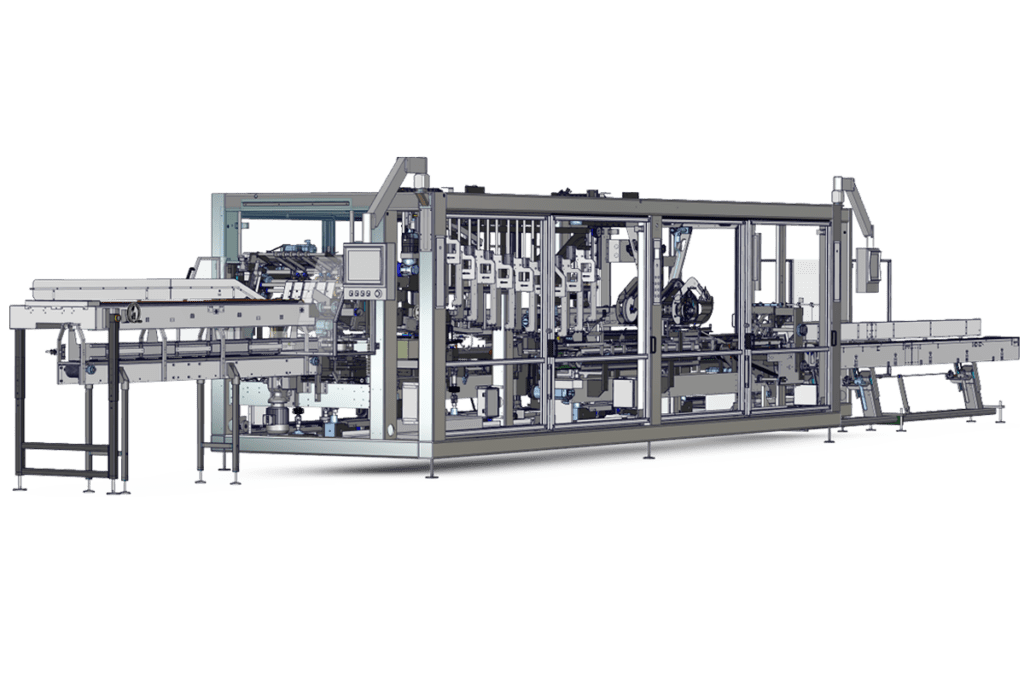
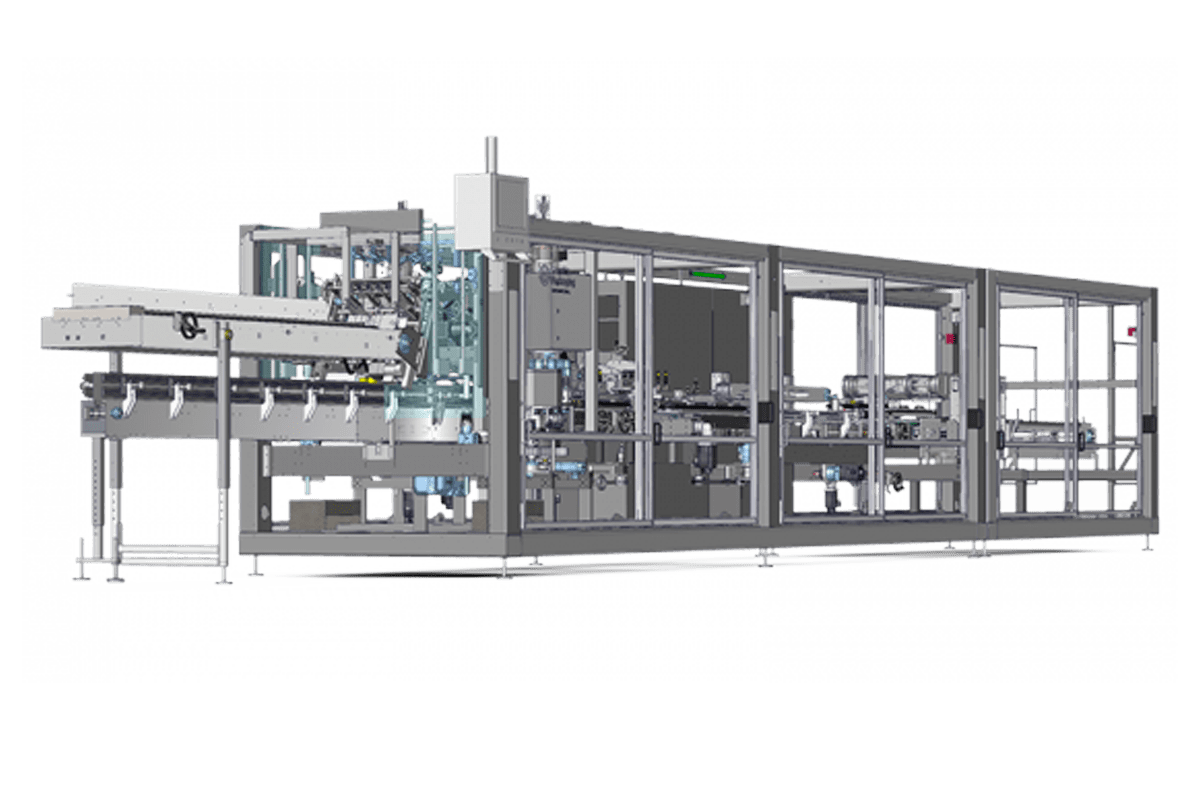
High speed paperboard packaging machinery system

Co-Engineered Equipment

Machinery built specifically around fiber score properties and bio-coating heat profiles.

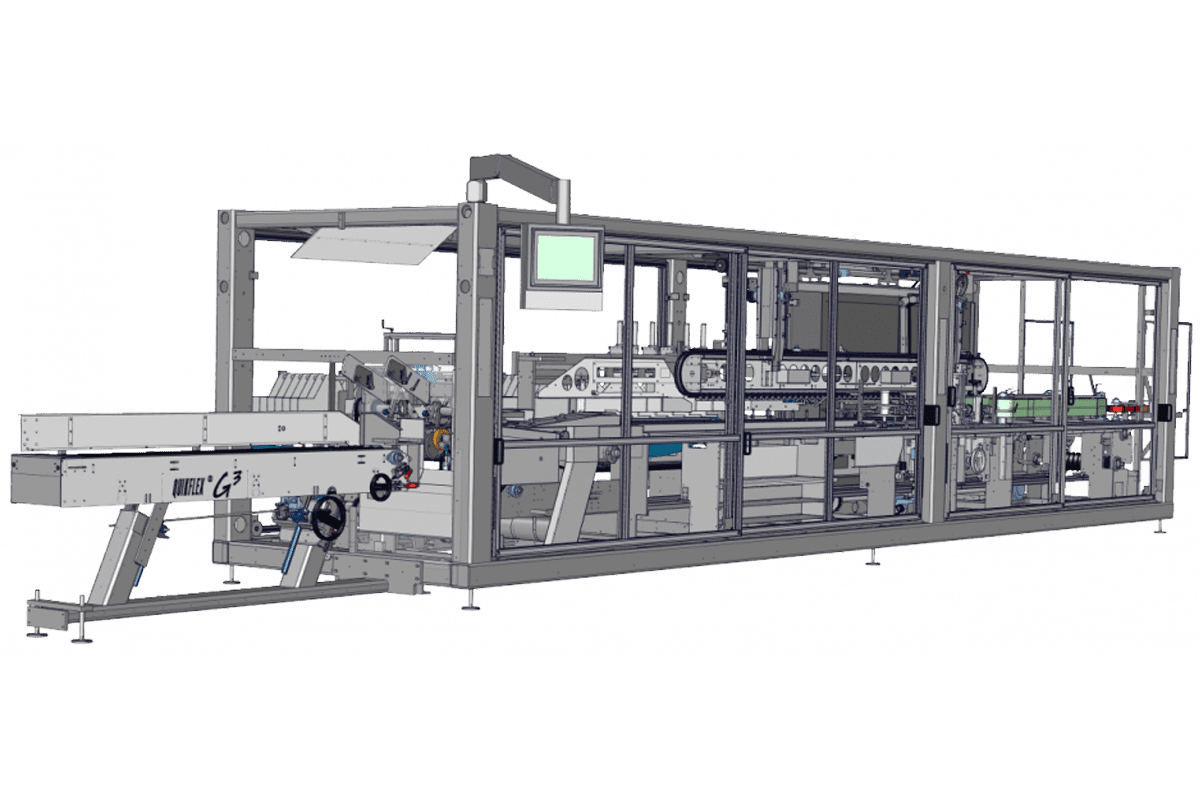
Autoflex packaging automation machine

High-Speed Forming

Precision carton forming maintaining tight dimensional tolerances at speeds up to 400 CPM.

Automated clip application machinery

Sealing Window Control

Advanced thermal sealing systems calibrated precisely for bio-dispersion matrices.

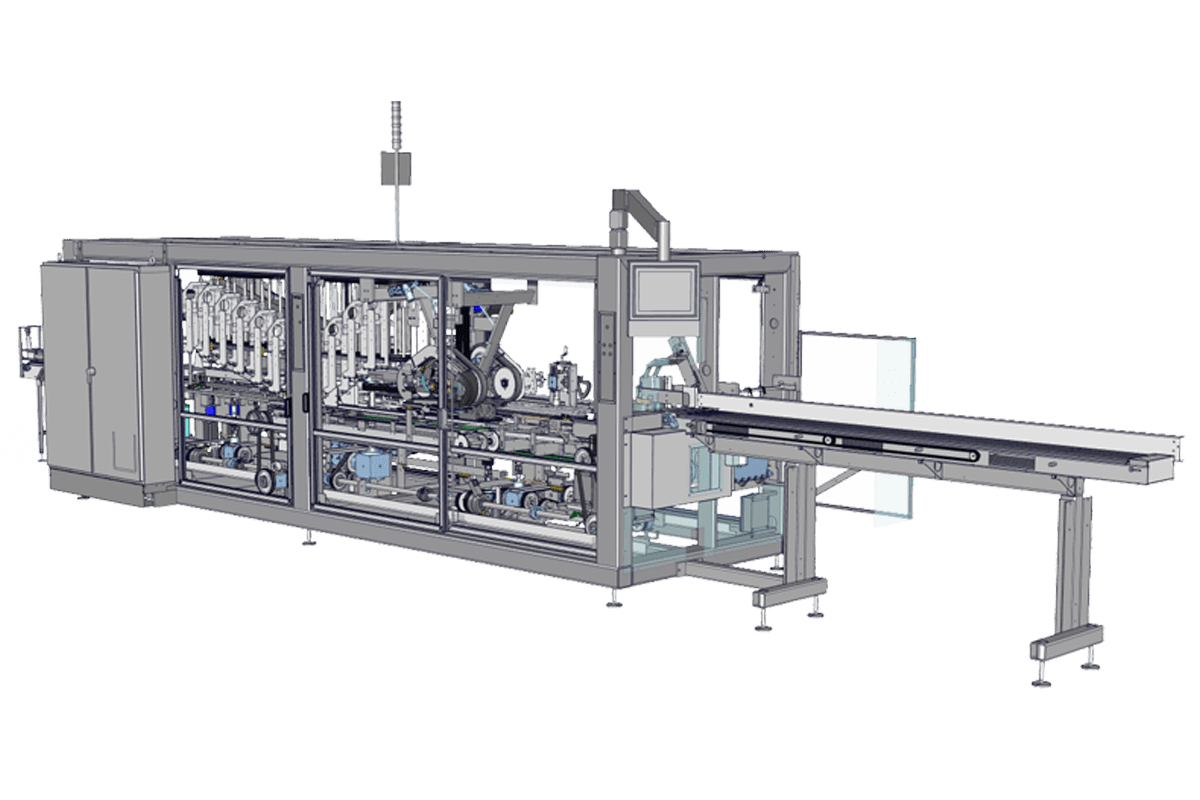
Fully enclosed packaging machine system

Rapid Tooling Changeovers

Modular line architectures allowing seamless switching between conventional and compostable board grades.

Enterprise Supply Chain Advantage

Why Global Brands Partner with Graphic Packaging International

Transitioning primary, secondary, and food-service packaging to certified commercially compostable alternatives requires deep material science, global scale, and single-source accountability. Graphic Packaging International operates as a vertically integrated manufacturer, controlling paperboard production, barrier formulation, structural converting, and packaging machinery automation.

Listed on the New York Stock Exchange (NYSE: GPK), we provide transparent audited ESG performance, rigorous quality control, and regional manufacturing security across North America, Europe, and Asia-Pacific. We de-risk material innovations through comprehensive pilot-plant testing, ensuring your packaging performs flawlessly on shop floors and in consumer hands.

Send an Inquiry
Vertically IntegratedPaperboard manufacturing, bio-coating formulation, and machinery systems under one roof
100% CertifiedASTM D6400, EN 13432, BPI, and DIN CERTCO compliance verification
NYSE: GPKFinancial stability and audited corporate ESG reporting
PFAS-Free TechnologyProprietary water-based barrier dispersions replacing fluorinated chemicals
Project Lifecycle

Our Structured 5-Step Procurement & Engineering Process

We systematically move your brand from plastic reliance to certified compostable paperboard structures without disrupting manufacturing throughput.

1. Audit & Technical Brief

Evaluation of current packaging barrier requirements, shelf-life parameters, line speed targets, and regional target compliance standards.

2. Substrate & Barrier Match

Selection of virgin or recycled fiber grade paired with specialized PFAS-free bio-dispersion coatings designed for liquid, grease, or gas protection.

3. Rapid Structural Prototyping

CAD sample creation, 3D stress modeling, thermo-seal validation, and pilot line performance testing.

4. Line Qualification & Integration

Trial runs on production equipment to calibrate crease stiffness, sealing temperatures, glue tack speeds, and automated packing efficiency.

5. Certified Scale & Supply

Full-scale commercial production backed by comprehensive third-party compostability certification documents and continuous technical field service.

Enterprise Procurement FAQ

Frequently Asked Questions on Commercially Compostable Packaging

What strictly defines commercially compostable packaging under international standards?

Commercially compostable packaging is engineered to biodegrade safely and completely within specialized industrial composting facilities operating at elevated temperatures (typically 50°C to 60°C) with controlled oxygen and humidity levels. Standard certifications such as EN 13432 (Europe), ASTM D6400 (North America), and AS 4736 (Australia) require the material to undergo at least 90% disintegration within 12 weeks, achieve complete biodegradation into water, CO2, and biomass within 180 days, contain heavy metal concentrations below regulated thresholds, and pass ecotoxicity tests without causing eco-toxicity in finished compost.

How does commercially compostable packaging differ from home compostable packaging?

Home compostable packaging is designed to break down under variable, ambient temperature conditions found in backyard compost bins (15°C to 30°C) over a longer timeframe. Commercially compostable packaging relies on higher thermal conditions, sustained microbial activity, and regulated moisture levels found in industrial facilities. This higher thermal requirement enables commercially compostable structures to incorporate robust bio-based functional barriers suitable for grease, liquid, and gas resistance that ambient home composting systems cannot easily decompose.

Can bio-based barrier coatings match traditional polyethylene (PE) performance for liquid and grease protection?

Yes. Advanced bio-dispersion coatings and bio-polymers such as PLA (Polylactic Acid), PHA (Polyhydroxyalkanoates), and PBS (Polybutylene Succinate) engineered by Graphic Packaging deliver high barrier properties against moisture, mineral oils, and hot fats (achieving up to KIT 12 oil/grease resistance). They maintain structural barrier integrity during extended cold storage, microwave heating, and direct contact with high-moisture foods while meeting strict compostability standards.

How does transitioning to compostable paperboard impact automated packaging line speed and efficiency?

When transitioning to fiber-based compostable formats, line efficiency depends on material engineering and machinery calibration. Graphic Packaging addresses this through integrated systems design—engineering paperboard substrates, crease stiffness, heat-seal windows, and barrier coatings concurrently with automated packaging machinery. This guarantees seamless performance on high-speed cartoning, sleeving, and tray-sealing equipment at speeds matching or exceeding conventional plastic packing lines.

Are Graphic Packaging’s compostable materials certified PFAS-free?

Yes. Graphic Packaging offers fully certified PFAS-free water-based bio-dispersion barrier technologies. These engineered solutions comply with global food contact regulations, state-level legislation in the U.S., and European chemical safety mandates, eliminating intentional per- and polyfluoroalkyl substances without compromising oil and water repellency.

What is the total cost of ownership (TCO) impact when shifting from plastic to commercially compostable paperboard?

While raw material costs for bio-based resins can carry a modest initial premium, the overall TCO is balanced by mitigating Extended Producer Responsibility (EPR) taxes, avoiding plastic packaging tariffs, reducing supply chain regulatory compliance risks, improving brand sustainability equity, and leveraging high-speed automated line efficiency to minimize labor and operational overhead.

How do international buyers verify the compostability certification of packaging batches?

Graphic Packaging provides third-party certification documentation from accredited bodies such as BPI (Biodegradable Products Institute), DIN CERTCO, and TÜV AUSTRIA. Every certified product batch is fully traceable, detailing compliance with ASTM D6400 or EN 13432 standards, eco-toxicity testing, and chemical composition safety profiles.

Ready to Specify Your Next Commercially Compostable Packaging Solution?

Connect with our technical packaging specialists to discuss barrier requirements, compliance documentation, sample orders, and machinery line integration.

As an equal opportunity employer, Graphic Packaging International is committed to accessibility, diversity, equity, and inclusion. All job applicants will be considered without regard to race, color, religion, sex, sexual orientation, gender identity, national origin, veteran, or disability status. If you are a disabled veteran or qualified individual with a disability, you may request a reasonable accommodation by contacting the job recruiter or local HR business partner, or by emailing [email protected].