
0%

Choosing the right Basket carrier multipacks requires more than comparing pack prices. Global buyers must assess strength, materials, filling speed, shelf appeal, and transport efficiency.

For beverage manufacturers, a carrier must hold securely through production, shipping, retail handling, and consumer use. A wet carton, weak handle, or poorly balanced pack can create costly complaints. The OECD’s Global Plastics Outlook (2022) reports that only about 9% of global plastic waste was recycled. This makes material selection and end-of-life planning increasingly important. That statistic matters.

Smithers’ The Future of Global Packaging to 2028 identifies sustainability, lightweighting, and packaging efficiency as major market forces. These priorities influence paperboard, molded-fiber, and recyclable plastic carrier designs. Small details matter. A stronger locking tab may reduce product loss. A lighter board grade may lower emissions, but it can also reduce stacking performance.

This guide examines ten Basket carrier multipacks suited to different global buying situations. Each selection considers carrier construction, pack stability, material communication, production compatibility, and likely retail performance. We will also consider regional recycling expectations and practical documentation, including material specifications and test results. The best option is not always the cheapest one. It may be the pack that survives a humid warehouse and remains easy to carry.

No ranking is universal. A design performing well in Europe may need changes for tropical distribution or automated filling lines. I may favor balanced, evidence-based choices, but supplier claims still require verification. That is essential.

Buyers should request samples, compression testing, and clear compliance documents before committing to volume orders. The goal is simple: reliable multipacks with fewer surprises.
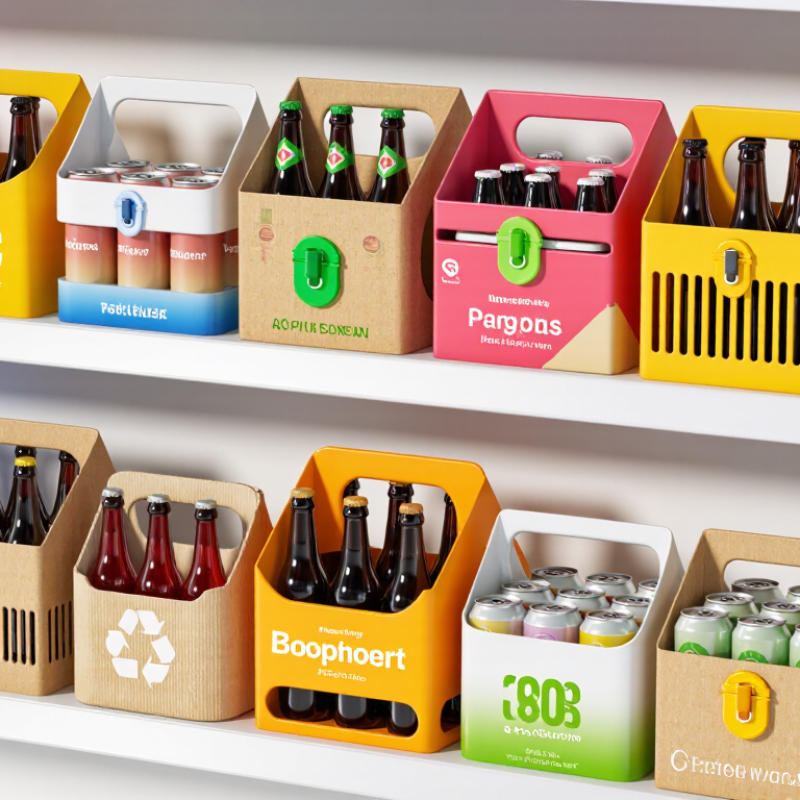
Top 10 Basket Carrier Multipacks for Global Buyers?

What Are Basket Carrier Multipacks?

What Are Basket Carrier Multipacks?

Basket carrier multipacks are packaging units designed to hold several beverage containers in one portable bundle. A shaped paperboard carrier usually wraps around cans or bottles, while a central handle supports lifting and movement. The basket structure helps keep containers aligned during transport, shelf display, and customer handling.

For global buyers, the key details are capacity, container size, material strength, and packing efficiency. A six-container format may suit retail shelves, while a four-container design can feel lighter for home use. The carrier should grip firmly without crushing thin containers. Moisture resistance also matters when products move through cold storage or humid warehouses. Small details matter here.

In practical packaging evaluations, I check the handle first. It should feel balanced when the pack is full, not sharp against the hand, and stable during short lifts. I also inspect folding accuracy, glue points, printing quality, and the space used on pallets. A carrier may look strong in a sample room but weaken after vibration or damp exposure. That is why buyers should request compression, drop, and humidity testing before approving large orders. Material sourcing and recycling instructions should also be clearly documented. One overlooked issue is automation: a beautiful carrier may not run smoothly on every filling line. Testing with the buyer’s actual containers is safer than trusting a specification sheet alone.

Top 10 Basket Carrier Multipacks for Global Buyers — What Are Basket Carrier Multipacks?

A basket carrier multipack is a paperboard or cardboard package with an integrated handle that groups several cans or bottles for carrying. The chart shows ten established pack-size configurations, measured by the number of beverage units in each multipack. It reflects pack capacity rather than sales ranking or market share.

Common pack sizes vary by beverage type, container size, retailer requirements, and regional packaging standards. Buyers should confirm container dimensions, material specifications, handle strength, printing requirements, and applicable recycling regulations before production.

How Basket Carrier Multipacks Are Designed and Classified

Basket carrier multipacks are designed around weight, grip, stacking, and retail handling. In practical sourcing reviews, I examine the carrier before judging the pack. The handle should feel balanced when filled. The opening must hold containers firmly without blocking labels. Details matter. Designers usually select molded plastic, coated paperboard, or reinforced fiber materials. Each option affects strength, moisture resistance, recyclability, and cost.

A useful classification separates the top ten multipacks by carrier structure and intended load. Lightweight designs suit small containers and short-distance handling. Reinforced carriers support heavier contents and warehouse movement. Fold-flat formats reduce shipping volume. Nested formats save shelf space. Some designs use one central handle, while others add side grips for better control. Multipacks can also be classified by container shape, pack count, closure method, and regional packaging requirements. These categories help global buyers compare products more consistently.

Testing should include lifting, vibration, stacking, and exposure to humidity. Measurements must cover handle width, carrier height, container spacing, and carton dimensions. I have found that a strong carrier can still perform poorly if the fit is loose. A lower-cost design may also create more waste through added wrapping. Not always. A neat classification can mislead when local transport conditions differ. Buyers should request samples, inspect production consistency, and verify material claims through reliable documentation. Small production variations deserve attention, especially around glued seams and handle joints.

Top 10 Basket Carrier Multipacks for Global Buyers

Top 10 Basket Carrier Multipacks for Global Buyers

Choosing basket carrier multipacks requires more than comparing unit prices. Global buyers should inspect carrier strength, handle comfort, basket dimensions, and packing efficiency. In procurement trials, a loaded sample often reveals weaknesses that product photos hide. A carrier may hold six units in a warehouse, yet deform during a long sea journey.

The top ten options should be ranked against clear working conditions. Check board thickness, moisture resistance, locking accuracy, and weight distribution. For reusable carriers, review cleaning access and repeated-use performance. For disposable formats, verify fiber content and disposal guidance through reliable supplier documents. Sample packs should be tested with realistic basket sizes, not empty containers. Small details matter. A loose handle can damage cartons and delay retail placement.

International buyers also need consistent measurements, readable specifications, and stable production capacity. Ask for pre-shipment inspections, packaging drawings, and batch records. Confirm minimum order quantities, pallet patterns, and delivery terms before negotiation. One common mistake is selecting the lightest carrier to reduce freight costs. It may create higher losses through crushing or replacement. Another concern is supplier evidence; certificates without traceable test information deserve careful review. I would compare at least three samples under the same load and humidity conditions. The ranking can change after testing, and that is useful rather than embarrassing. Real purchasing decisions rarely stay perfect on paper.

Top 10 Basket Carrier Multipacks for Global Buyers

Comparative guide to common beverage basket-carrier configurations, materials, capacities, and international purchasing considerations.

Rank Basket Carrier Configuration Typical Pack Compatible Container Common Material Approx. Filled Weight Typical Carrier Size Recyclability Profile Best Buyer Use
1 Standard Six-Pack Basket 6 × 330 ml Aluminium cans or glass bottles Folding solid bleached board, usually 350–450 gsm Approximately 2.2–3.0 kg About 210 × 140 × 125 mm Widely recyclable where paperboard collection is available Mainstream retail and promotional beverage multipacks
2 Reinforced Six-Pack Carrier 6 × 330 ml or 6 × 355 ml Cans and short-neck bottles Double-wall kraft board or reinforced recycled board Approximately 2.3–3.2 kg About 215 × 145 × 130 mm Generally recyclable if free from plastic lamination Long-distance distribution and heavier glass formats
3 Four-Pack Premium Basket 4 × 330 ml or 4 × 355 ml Glass bottles or slim cans High-stiffness paperboard, often 400–500 gsm Approximately 1.5–2.1 kg About 145 × 145 × 125 mm Recyclable in established paperboard streams Craft beverages, gift packs, and premium shelf presentation
4 Eight-Pack Economy Basket 8 × 330 ml Aluminium cans Recycled kraft board or coated folding carton board Approximately 2.8–3.4 kg About 280 × 140 × 125 mm Recyclability depends on coatings, inks, and local systems High-volume supermarkets and club-channel sales
5 Six-Pack Handle-Top Carrier 6 × 500 ml PET bottles or larger glass bottles Heavy-duty kraft board with integrated locking handle Approximately 3.3–4.2 kg About 315 × 210 × 220 mm Paperboard recycling is possible when plastic parts are avoided Water, soft drinks, and high-volume convenience retail
6 Four-Pack Canned Beverage Basket 4 × 440 ml Standard-height aluminium cans Folding carton board with die-cut dividers Approximately 1.9–2.1 kg About 205 × 140 × 155 mm Typically recyclable after removal of non-paper components Larger serving sizes and regional supermarket programs
7 Six-Pack Molded Fiber Basket 6 × 330 ml Glass bottles or cans with standardized profiles Molded cellulose fiber from recycled or virgin pulp Approximately 2.3–3.0 kg About 220 × 150 × 130 mm Usually recyclable or compostable only under suitable local conditions Plastic-reduction programs and sustainability-led packaging ranges
8 Six-Pack Moisture-Resistant Carrier 6 × 330 ml or 6 × 500 ml Chilled cans and bottles Wet-strength paperboard with water-based barrier coating Approximately 2.4–4.2 kg About 220 × 150 × 225 mm for 500 ml formats Check local acceptance because barrier coatings may affect recycling Cold-chain transport, outdoor events, and humid climates
9 Mixed-Format Six-Pack Basket Mixed 250–500 ml containers Cans, PET bottles, or glass bottles in one assortment Custom die-cut folding board with adjustable dividers Approximately 1.8–3.5 kg Usually 210–300 × 140–200 × 120–220 mm Usually recyclable if made entirely from paperboard Variety packs, seasonal launches, and cross-category promotions
10 Export-Grade Six-Pack Carrier 6 × 330–500 ml Glass bottles or aluminium cans High-burst-strength kraft board with reinforced locking base Approximately 2.4–4.2 kg About 220–315 × 150–210 × 130–225 mm Recyclable when barrier treatments and mixed materials are limited Cross-border shipping, pallet handling, and private-label exports
Data note: Dimensions and filled-weight figures are typical planning ranges based on common 250–500 ml beverage containers. Final specifications depend on container geometry, board grade, handle design, moisture exposure, printing, pallet configuration, and destination-country recycling requirements.

How to Compare Materials, Capacity, and Durability

Choosing among the top 10 basket carrier multipacks requires more than comparing pictures. Material affects weight, stiffness, recyclability, and outdoor performance. Common options include polypropylene, high-density polyethylene, recycled PET, and coated steel. The OECD’s Global Plastics Outlook reports that only 9% of plastic waste was recycled worldwide in 2019. Therefore, buyers should request recycled-content evidence, resin identification, and supplier test records.

Capacity must match the real load. A 15-liter basket may hold several bottles, but its usable volume falls when handles or dividers occupy space. Compare internal dimensions, maximum payload, nesting ratio, and empty weight. Measure one filled basket yourself. It is surprisingly easy to confuse external volume with working capacity. For multipacks, check whether all units stack evenly without twisting.

Durability needs practical evidence. Ask for drop testing, handle fatigue testing, abrasion results, and ultraviolet exposure data. ISO 2248 provides a recognized method for package drop testing, although basket-specific performance still requires careful interpretation. Polypropylene often offers useful impact resistance, while steel can provide greater rigidity but adds weight and corrosion concerns. The Ellen MacArthur Foundation has repeatedly emphasized designing packaging for reuse, not only recycling. That means smooth surfaces, replaceable parts, and easy cleaning matter. A glossy finish is not proof of strength. I would also inspect hinge edges and handle joints by hand; these small areas often fail first. Supplier claims can be incomplete. Compare test conditions before trusting the numbers.

Global Sourcing, Compliance, Packaging, and Shipping Factors

Top 10 Basket Carrier Multipacks for Global Buyers?

Global Sourcing, Compliance, Packaging, and Shipping Factors

Global buyers evaluating basket carrier multipacks should examine more than unit price. The sourcing country, factory capability, and material consistency directly affect delivery reliability. Request production samples, dimensional drawings, and recent test records before approving volume. Small details matter. Confirm handle strength, basket fit, surface finish, and resistance to humidity or temperature changes. A low quotation may hide inconsistent molding, weak joints, or expensive rework.

Compliance requirements vary by destination. Ask suppliers for material declarations, labeling guidance, and documents supporting the intended market. Do not treat one certificate as universal proof. Rules, translations, recycling marks, and packaging warnings may differ between countries. Use a clear inspection plan covering raw materials, assembly, carton counts, and final appearance. It improves accountability, although paperwork alone cannot replace physical checks.

Packaging and shipping decisions also influence the real landed cost. Compare nested and flat-packed designs, then measure carton volume, pallet stability, and container utilization. Protect exposed handles with dividers or sleeves when abrasion is likely. Moisture-resistant cartons may be necessary for long ocean routes or humid warehouses. Confirm gross weight, carton markings, HS classification, and shipping terms with qualified logistics professionals. Small packaging changes can improve loading efficiency, but they may increase labor at the factory. That trade-off deserves testing, not assumptions. Further review is wise when forecast volumes, destinations, or seasonal demand change.

FAQS

What should global buyers check before comparing basket carrier multipacks?

Check carrier strength, handle comfort, basket size, and packing efficiency.

How can buyers test a carrier’s real capacity?

Measure internal dimensions, empty weight, nesting ratio, and maximum payload.

Which materials should buyers compare?

Compare polypropylene, high-density polyethylene, recycled PET, and coated steel.

What durability tests are useful for basket carriers?

Request drop testing, handle fatigue testing, abrasion results, and ultraviolet exposure data.

How important are moisture resistance and sea transport performance?

Very important.

What should buyers review for reusable carriers?

Check cleaning access, smooth surfaces, replaceable parts, and repeated-use performance.

What supplier documents should buyers request?

Request packaging drawings, readable specifications, batch records, and traceable test information.

How should buyers rank the final options?

Compare at least three samples under identical loads and humidity conditions.

Conclusion

This guide explains what Basket carrier multipacks are and why they are useful for buyers seeking practical, organized, and transport-friendly packaging solutions. It describes how these multipacks are designed and classified according to basket structure, handle style, pack quantity, intended use, and storage requirements. The overview also presents ten representative Basket carrier multipacks, highlighting differences in layout, portability, capacity, and suitability for household, retail, hospitality, and general commercial applications.

For effective purchasing, buyers should compare material quality, load capacity, structural stability, moisture resistance, and long-term durability. The guide also outlines important global sourcing considerations, including supplier communication, product customization, quality inspection, labeling, packaging efficiency, and shipping volume. Attention to compliance requirements, responsible material selection, safe packaging, and accurate documentation can help reduce supply-chain risks. By evaluating both product performance and total logistics cost, global buyers can select multipacks that balance functionality, durability, presentation, and reliable international delivery.

Amelia

Amelia

Amelia is a marketing professional with a strong understanding of the company’s products and the needs they are designed to address. She regularly contributes expert articles to the company website, turning product knowledge and industry insights into clear, practical guidance for customers. Her......