PaperSeal barrier-lined paperboard tray for fresh food packaging
Enterprise Sustainable Packaging Solutions

Next-Generation Barrier-Lined Paperboard Trays for Global Food Brands

Achieve up to 90% plastic reduction, hermetic MAP sealing, and extended product freshness with PaperSeal® high-barrier paperboard tray technology.

Get a Quote
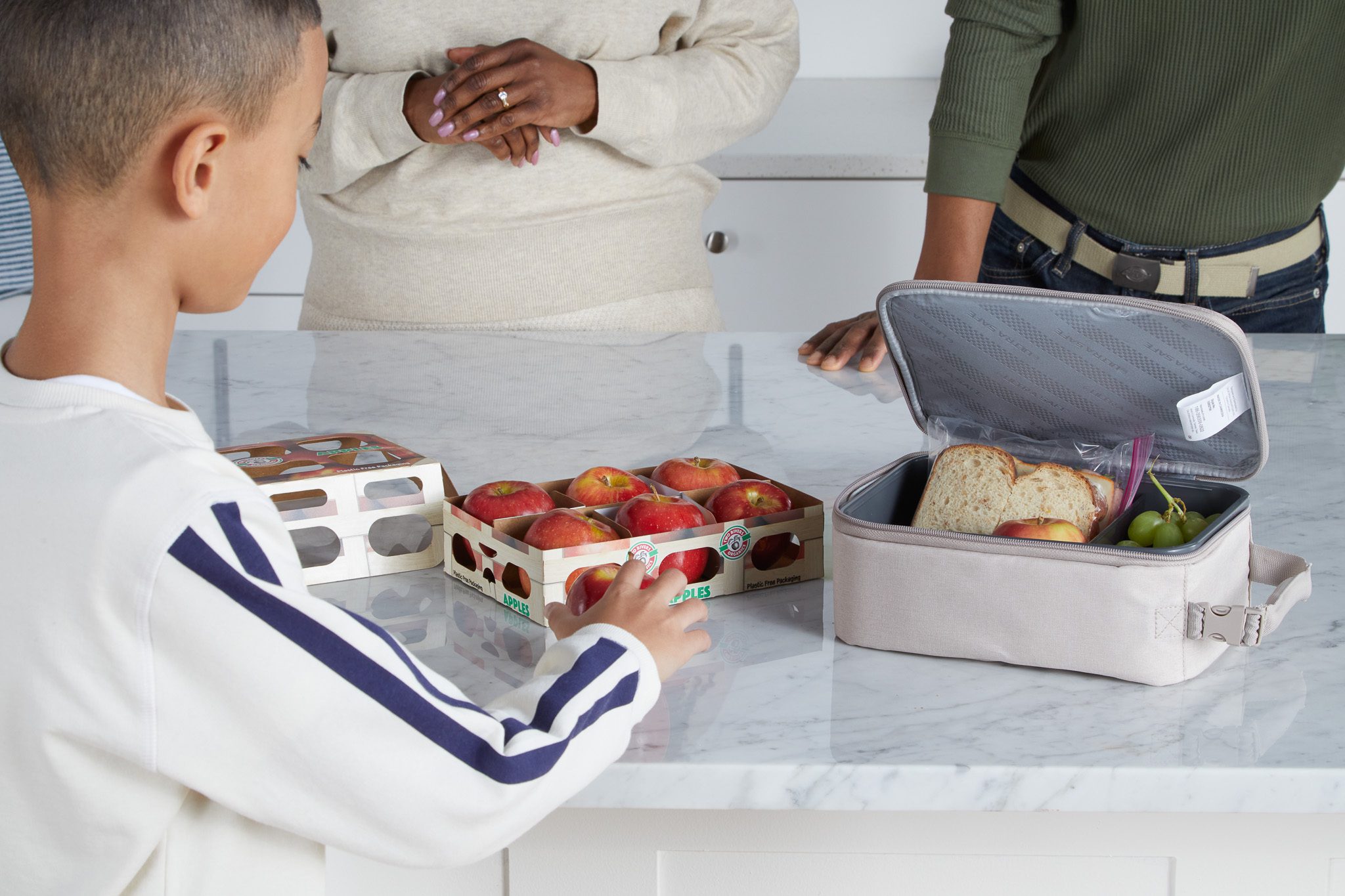
Paperboard tray packaging for fresh food and produce
Fresh Protein & Produce Packaging

High-Barrier Tray Performance Without Plastic Waste

Engineered to withstand rigorous cold-chain logistics, high humidity, and high-speed tray sealing automation.

Get a Quote
Industry Recognition

Engineered by the Global Leader in Fiber-Based Packaging Solutions

As a NYSE-listed leader (NYSE: GPK), Graphic Packaging International delivers fully audited ESG performance, global manufacturing scale, and award-winning barrier tray technology.

Graphic Packaging awards and recognition including Fortune World's Most Admired Companies 2026, Ethisphere 2026, Just Capital 2026, and 3BL 100 Best Corporate Citizens 2026
World's Most Admired CompaniesFortune, 2026
World's Most Ethical CompaniesEthisphere, 2026
Best of American BusinessJUST Capital, 2026
100 Best Corporate Citizens3BL, 2026 · Top-five ranking
Strategic Sourcing Guide

Navigating the Global Shift to Barrier-Lined Paperboard Trays

An in-depth evaluation for food processors, retail procurement directors, and packaging engineers transitioning from thermoformed plastics to sustainable fiber structures.

Fiber paperboard materials engineered for barrier packaging
Market Drivers & Regulatory Pressure

Why Global Procurement Teams Are Replacing Rigid Plastic Trays

Food processors and multinational retailers face mounting pressure from legislation such as the EU Packaging and Packaging Waste Regulation (PPWR), extended producer responsibility (EPR) fee increases, and corporate Scope 3 emissions commitments. Rigid plastic trays made of CPET, PP, or APET represent significant environmental liabilities in the fresh food supply chain.

Barrier-lined paperboard trays solve this challenge by replacing up to 80%–90% of plastic content with sustainably sourced paperboard from certified managed forests. By utilizing a removable or ultra-thin liner, these trays deliver the exact barrier integrity required for delicate fresh proteins and ready meals while seamlessly integrating into paper recycling streams after consumer use.

  • EPR Fee Optimization: Drastically reduce eco-tax levies across European and North American markets.
  • Brand Differentiation: High-impact, 360-degree high-definition printing directly on the exterior board.
  • Carbon Footprint Reduction: Up to 60% lower cradle-to-grave carbon footprint compared to traditional plastic MAP trays.
Get a Quote
Technical Excellence

Material Architecture & Barrier Liner Performance

Understanding gas transmission rates, moisture barriers, and flange sealing integrity in high-barrier paperboard trays.

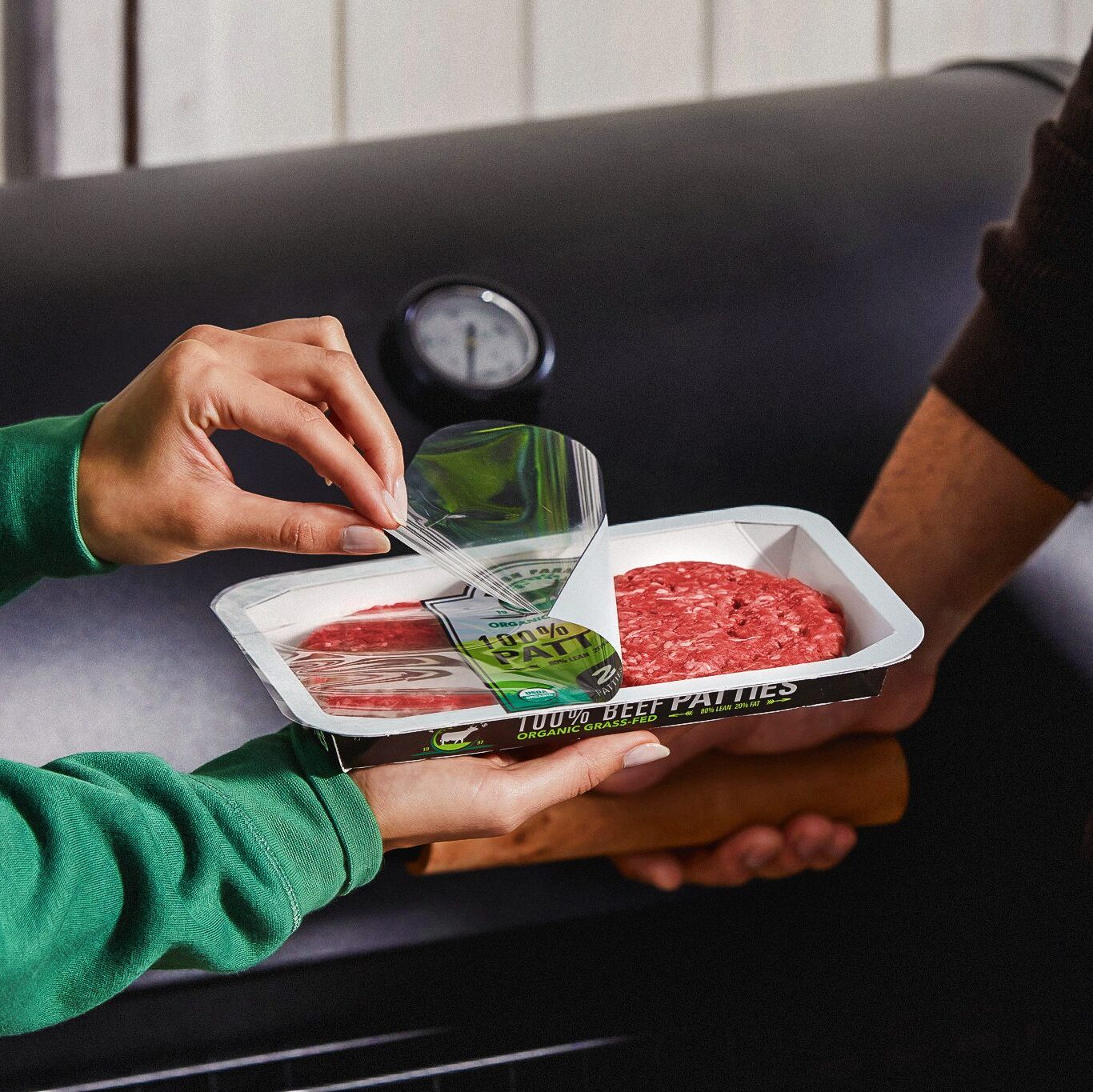
PaperSeal tray flange sealing detail
Hermetic Flange Sealing

Continuous Top-Flange Sealing for Gas-Tight Integrity

The primary technical hurdle when converting from rigid plastic thermoformed trays to paperboard trays is achieving a 100% leak-proof, hermetic seal around the tray flange. Traditional folded paperboard trays often suffer from pinholes or gas leakage at folded corner joints, compromising Modified Atmosphere Packaging (MAP) gas mixtures (CO2, O2, N2) and shortening shelf life.

Graphic Packaging’s proprietary PaperSeal® technology overcomes this limitation through an innovative continuous sealing flange design. The liner film spans across a smooth, uninterrupted tray perimeter flange, ensuring consistent surface planarity. This design enables high-speed heat sealing with top lidding films, guaranteeing zero gas leakage and maintaining ultra-low Oxygen Transmission Rates (OTR) comparable to traditional rigid plastics.

  • Zero-Leak Flange Design: Smooth surface contact eliminates micro-channel gas leaks.
  • Versatile Liner Chemistry: Options for EVOH high-barrier, PE moisture barrier, and PET cookable applications.
  • Easy-Peel Separability: Post-consumer liner separation allows 100% board fiber recovery in standard paper mills.

Barrier Performance Comparison: Paperboard Trays vs. Plastic Alternatives

The table below illustrates performance benchmarks for barrier-lined paperboard trays compared against traditional CPET and PP trays across key operational criteria:

Performance Metric Barrier-Lined Paperboard Trays (PaperSeal®) Rigid CPET Trays Polypropylene (PP) MAP Trays
Plastic Content Reduction 80% to 90% Reduction 0% (100% Virgin/Recycled Plastic) 0% (100% Virgin Plastic)
Oxygen Barrier (OTR) < 0.5 cm³/m²/24h (EVOH Liner) < 1.0 cm³/m²/24h > 5.0 cm³/m²/24h (Requires EVOH)
Moisture Barrier (WVTR) < 1.0 g/m²/24h < 1.0 g/m²/24h < 0.5 g/m²/24h
Custom Graphic Printability 360° Internal & External Offset Printing Limited to External Labels / Sleeves Limited to External Labels / Sleeves
Recyclability Stream Paper/Fiber Recyclable (Post-peel) Hard-to-recycle PET stream Rigid PP plastics stream
Thermal Resistance Range -40°C to +200°C (Cookable format) -40°C to +220°C -20°C to +120°C
Product Portfolio

Recommended Barrier-Lined Paperboard Tray Solutions

Tailored packaging configurations designed for specific fresh food, protein, and food service applications.

PaperSeal® Original

Ideal for fresh red meat, pork, poultry, fish, and hard cheeses. Features a one-piece tray blank with an EVOH barrier liner for extended shelf life under MAP conditions.

Get a Quote

PaperSeal® Slice

Specifically engineered for sliced meats and charcuterie. Ultra-low profile maximizes display efficiency in retail chillers while minimizing film usage.

Get a Quote

PaperSeal® Cook

Designed for dual-ovenable ready meals. Withstands conventional oven temperatures up to 200°C (392°F) and microwave heating, replacing CPET trays.

Get a Quote

PaperSeal® Tray-In-Line

Delivered flat to food processing plants, forming trays directly on sealing lines to optimize freight bulk, warehousing space, and inward logistics costs.

Get a Quote

ProducePack™ Punnet Trays

Ventilated paperboard tray solutions for soft fruit, tomatoes, and fresh produce. Available with or without top lidding film integration.

Get a Quote

Custom Engineered Formats

Bespoke tray structural designs engineered to fit existing automated destackers, denesters, and high-speed rotary sealer lines.

Get a Quote
Integrated Packaging Systems

De-Risking Line Integration with Single-Source Machinery & Trays

The success of converting to paperboard packaging depends on seamless machinery compatibility. We engineer trays and equipment to perform in harmony.

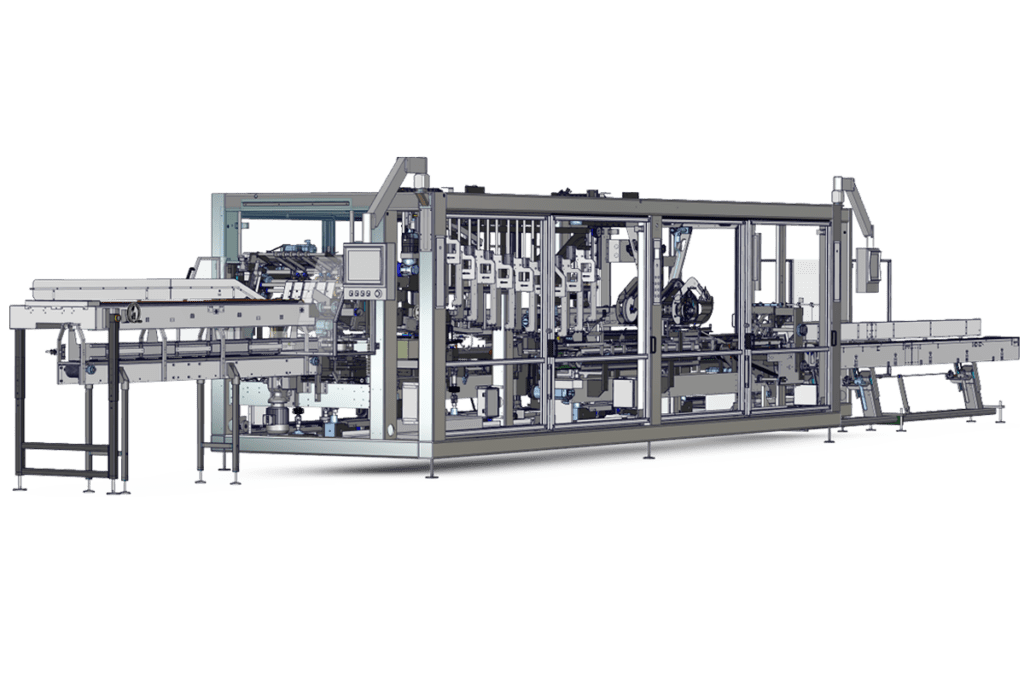
High speed paperboard tray packaging machinery
End-to-End Operational Efficiency

Preventing Line Bottlenecks & Downtime

Procurement teams often face friction when packaging suppliers blame machinery manufacturers for line stoppages or sealing failures. Graphic Packaging eliminates this supplier friction by supplying both the barrier-lined paperboard trays and the dedicated tray-forming automation equipment.

Our packaging machinery division designs custom tray-denesting units, high-speed lining systems, and flange-forming modules capable of running seamlessly on leading industry tray sealers such as G.Mondini, Sealpac, and Multivac systems. This single-source accountability ensures guaranteed line speeds, minimal operational downtime, and optimal hermetic sealing rates.

  • Guaranteed Line Speed: Engineered for continuous output reaching up to 120-160 trays per minute.
  • Retrofit Flexibility: PaperSeal® trays drop directly into existing rigid tray sealing tooling setups.
  • Global Technical Support: Field service engineers deployed worldwide for rapid installation and maintenance.
Get a Quote
Future Trends

Emerging technology shifts and regulatory landscapes driving the next decade of sustainable food packaging design.

Bio-based barrier technologies for sustainable paperboard packaging
Material Science

PFAS-Free Water-Dispersed Bio-Barriers

Transitioning from ultra-thin polymeric liners to water-dispersed, bio-based barrier coatings. This technological leap will allow 100% repulpability in standard paper recycling mills without requiring physical liner separation by consumers.

Smart packaging integration on barrier paperboard trays
Smart Packaging

Digital Traceability & Dynamic Freshness Sensors

Integration of printed conductive inks, QR codes, and micro-sensors directly into the outer paperboard surface, providing cold-chain tracking, shelf-life verification, and anti-counterfeit measures across international export routes.

Regulatory compliance for packaging plastic reduction
Regulatory Alignment

Harmonized Global Plastic Taxes & EPR Mandates

With regulations requiring minimum 80% plastic reduction across fresh produce and protein categories worldwide, barrier-lined paperboard trays serve as the primary compliant carrier format for multinational retail brands.

Enterprise Value Proposition

Why Sourcing Directors Partner with Graphic Packaging International

Global procurement requires stability, compliance, and multi-facility redundancy. Graphic Packaging International operates fully integrated paperboard mills, converting facilities, and machinery engineering centers across North America, Europe, and Asia-Pacific.

Our fully transparent supply chain guarantees continuous raw material availability, certified sustainable forestry sourcing (FSC, PEFC, SFI), and strict adherence to global food contact safety standards (FDA, EU 1935/2004, BRCGS).

Get a Quote
NYSE: GPKPublic enterprise offering transparent financial and ESG disclosures
90% ReductionUp to 90% plastic content eliminated compared to rigid plastic trays
Global ScaleMulti-region manufacturing network securing enterprise supply chains
Fully IntegratedFiber sourcing, liner laminating, printing, tray converting & machinery
Frequently Asked Questions

Key Sourcing & Technical Questions Answered

Addressing common queries raised by food processors, packaging engineers, and enterprise procurement teams.

What are barrier-lined paperboard trays and how do they function?

Barrier-lined paperboard trays are structural trays made from paperboard combined with an ultra-thin polymer or bio-based barrier film (such as EVOH, PE, or PET). The paperboard substrate provides structural rigidity and high-quality printable graphics, while the liner film creates an airtight seal that protects against moisture, oxygen, and grease. This combination allows food processors to achieve extended shelf life for fresh meats, seafood, ready meals, and produce while replacing up to 90% of the rigid plastic traditionally used in thermoformed trays.

How do barrier paperboard trays compare to plastic CPET and PP trays for shelf life?

Graphic Packaging's PaperSeal® barrier paperboard trays deliver equivalent shelf life to traditional rigid plastic MAP trays. By utilizing a continuous top-flange sealing surface, the tray ensures a hermetic, zero-leak seal with top lidding film. Oxygen Transmission Rates (OTR) can be maintained at less than 0.5 cm³/m²/24h when paired with EVOH liners, protecting fresh protein color, texture, and microbial safety throughout chilled distribution networks.

Are barrier-lined paperboard trays recyclable in consumer curbside streams?

Yes. PaperSeal® trays are designed for circular economy compatibility. The ultra-thin liner film features an easy-peel corner tab that allows consumers to effortlessly separate the liner film from the paperboard tray after use. Once separated, the paperboard tray is 100% recyclable in standard paper packaging streams, while the liner is disposed of or processed according to local waste protocols. In developing bio-barrier formats, repulpability occurs directly without manual separation.

Can PaperSeal® trays run on existing tray sealing equipment?

Yes. PaperSeal® trays are engineered to retro-fit directly onto existing automated tray sealing lines including G.Mondini, Sealpac, Multivac, and Ishida systems. Slight modification to tray denesting and sealing tooling may be performed using our low-cost machinery retrofit kits, allowing plants to switch from plastic to paperboard trays without purchasing entirely new filling lines.

What temperature ranges can barrier-lined paperboard trays withstand?

Depending on the liner chemistry selected, barrier paperboard trays support a wide temperature range. PaperSeal® Freezable and Chilled formats operate between -40°C (-40°F) and +40°C (104°F). For dual-ovenable ready meals, PaperSeal® Cook utilizes high-temperature PET barrier liners capable of withstanding microwave heating and conventional oven temperatures up to 200°C (392°F) without structural warping or gas migration.

What minimum order quantities (MOQ) and lead times apply for custom trays?

As an enterprise supply partner, Graphic Packaging works with high-volume food brand owners and processing plants. Standard lead times for custom printed packaging blanks range from 4 to 8 weeks following artwork approval and tool validation. Enterprise supply agreements include buffer stock programs, demand forecasting, and continuous inventory management across our global distribution hubs.

How does the total cost of paperboard trays compare with plastic packaging?

While raw paperboard substrate combined with liner laminates may have a slight premium over commodity virgin plastics, the overall total cost of ownership (TCO) is highly competitive. PaperSeal® trays substantially reduce Extended Producer Responsibility (EPR) tax burdens, decrease plastic tax liabilities in Europe and the UK, optimize transport freight density (for flat-formed Tray-In-Line blanks), and enhance brand positioning, driving higher consumer conversion rates on retail shelves.

Ready to Transition to Barrier-Lined Paperboard Trays?

Contact our packaging engineering and technical sales teams to request samples, schedule line audits, or receive customized structural quotes for your brand.

Graphic Packaging International is an equal opportunity employer dedicated to innovation, transparency, and sustainable growth across global packaging supply chains. All corporate operational data and sustainability metrics are published in accordance with international auditing standards.