
Bag in box liquid packaging solutions for global food, beverage, and industrial procurement
Enterprise Bulk Liquid Packaging

Next-Generation Bag-in-Box Packaging Solutions: Optimizing TCO, Barrier Protection & Automated Filling Performance

Engineered multi-layer flexible inner bladders, high-performance dispensing taps, and structural fiber-based outer cartons designed for global food, beverage, foodservice, and chemical supply chains.

Inquire Now
Industrial Authority & E-E-A-T Accountability

Validated Excellence in Sustainable Packaging Manufacturing

As a NYSE-listed leader (NYSE: GPK), Graphic Packaging International balances multi-layer barrier film chemistry with automated machinery integration to help global procurement teams reduce scope 3 emissions and operational overhead.

Graphic Packaging industry recognition awards Fortune Ethisphere JUST Capital 3BL
World's Most Admired CompaniesFortune, 2026
World's Most Ethical CompaniesEthisphere, 2026
Best of American BusinessJUST Capital, 2026
100 Best Corporate Citizens3BL, 2026 · Top-five ranking
Strategic Procurement Intelligence

The Strategic Shift to Bag-in-Box Packaging: Mitigating Supply Chain Risk and Carbon Liabilities

Global procurement directors face unprecedented pressure to optimize packaging economics while complying with stringent EPR regulations and plastic elimination mandates. Bag-in-Box packaging presents a transformative alternative to traditional rigid drums, pails, and glass bottles.

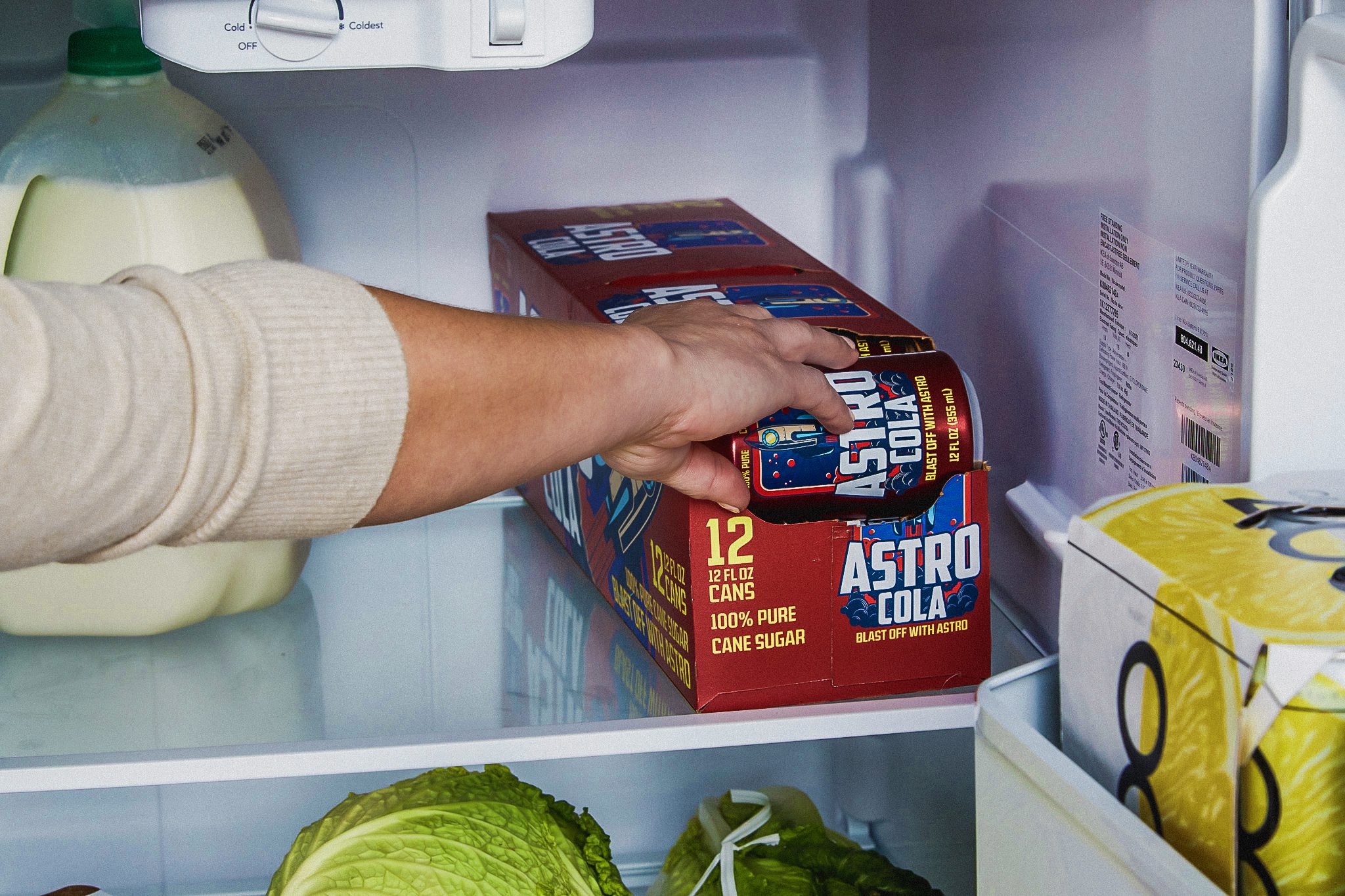
High barrier liquid packaging container structural design
Information Gain · Cost Dynamics

Why Leading FMCG Brands Are Replacing Rigid Containers with Bag-in-Box Systems

Bag-in-Box (BIB) packaging delivers a structural paradigm shift in bulk liquid distribution. By decoupling product protection (managed by a multi-layer barrier inner pouch) from structural stackability (handled by a high-strength paperboard outer carton), BIB optimizes transport cube utilization and minimizes raw material mass.

  • Up to 85% Storage Space Savings: Flat-packed outer cartons and collapsed inner bladders drastically lower inbound freight and warehousing overhead before filling.
  • Enhanced Product Preservation: The flexible bladder collapses dynamically as liquid is dispensed, preventing head-space air ingress and preserving shelf life for up to 6 weeks after opening.
  • Significant Plastic Weight Reduction: Uses up to 75% less plastic by weight compared to rigid HDPE pails, directly mitigating Extended Producer Responsibility (EPR) plastic taxes.
Inquire Now
Recommended Product Portfolio

Engineered Bag-in-Box Packaging Solutions by Category

From aseptic food service condiments to oxygen-sensitive wines and aggressive industrial chemicals, our tailored Bag-in-Box packaging configurations ensure uncompromised product protection and line efficiency.

Food & Beverage Aseptic BIB

Engineered for dairy mixes, fruit juices, liquid eggs, and edible oils. Features gamma-sterilized EVOH barrier films and aseptic fitments to eliminate cold-chain dependency during storage.

Inquire Now

Wine & Spirits Preservation BIB

Combines high-barrier metallized polyester (MET-PET) laminates with precision tap mechanisms (such as Vitop) to achieve zero oxygen transmission rates (OTR), preserving sensory qualities.

Inquire Now

Commercial Foodservice & Post-Mix

Custom-fit 3-gallon and 5-gallon BIB formats compatible with commercial beverage fountains, syrup racks, and quick-serve restaurant dispensing systems.

Inquire Now

Industrial Chemical & Fluid Packaging

Puncture-resistant nylon-laminated liners paired with heavy-gauge corrugated outer boxes designed to securely hold agrochemicals, detergents, lubricants, and adBlue fluids.

Inquire Now

Monomaterial Recyclable BIB Solutions

Next-generation all-polyethylene (PE) inner bladders designed for full circular economy compliance, paired with 100% FSC-certified recyclable outer paperboard cartons.

Inquire Now

Heavy-Duty Bulk Intermediate Containers

Large-format Bag-in-Box options from 220L to 1000L designed for bulk transport of liquid concentrates, pharmaceutical intermediates, and food ingredients.

Inquire Now
Technical Anatomy & Material Science

The Engineering Behind Zero-Leakage Bag-in-Box Performance

Bag-in-Box packaging integrity depends on the precise alignment of film extrusion chemistry, fitment thermal sealing, and carton structural rigidity.

Paperboard structure and barrier film technology
Material Science · Inner Bladder

Multi-Layer Co-Extrusion Film Engineering

Our flexible bags utilize multi-layer blown and cast film technology tailored to the specific chemical properties of your product:

  • EVOH (Ethylene Vinyl Alcohol Copolymer): Provides an exceptional oxygen barrier (OTR < 0.5 cc/m²/day) to prevent flavor oxidation and preserve color integrity over extended distribution cycles.
  • MET-PET (Metallized Polyester): Delivers absolute light barrier protection and ultra-low water vapor transmission (WVTR), critical for premium wines and olive oil.
  • Linear Low-Density Polyethylene (LLDPE): Optimized for high tensile strength, seal integrity, and exceptional flex-crack resistance during long-haul transport dynamics.
  • Nylon (PA) Reinforcement: Integrated into outer laminates to prevent stress cracking caused by liquid sloshing during transit.
Inquire Now
Outer paperboard carton structural strength and print finishes
Structural Integrity · Outer Carton

Heavyweight Paperboard & Corrugated Box Design

The outer box is not merely secondary packaging—it is the structural backbone that absorbs stacking pressure and protects the inner liquid pouch:

  • High Compression Strength: Engineered using premium virgin and recycled fiberboard grades with specialized fluting profiles to withstand multi-tier pallet stacking in humid conditions.
  • Tamper-Evident & Intuitive Openings: Die-cut handles and fitment retention windows engineered for fast assembly and seamless end-user dispensing.
  • High-Impact Branding: Advanced flexographic and offset printing options to transform industrial liquid packaging into retail-ready messaging billboards.
Inquire Now
Future Procurement Trends

Strategic procurement teams must look beyond short-term unit pricing. Market shifts in sustainability mandates, smart supply chains, and automated processing are redefining liquid packaging requirements.

Monomaterial recyclable packaging development
Circular Economy

Transition to Monomaterial All-PE Flexible Bladders

As European Union Packaging and Packaging Waste Regulation (PPWR) mandates design-for-recycling compliance, multinational brands are shifting from complex multi-material laminates to mono-PE inner bags with printable barrier coatings.
High speed beverage filling integration
Automation

Fully Automated High-Speed Filling Line Integration

Labor shortages and throughput demands drive investments in high-speed rotary and inline aseptic BIB filling systems capable of processing up to 90 bags per minute with automated gland opening, filling, nitrogen flushing, and capping.

Aseptic liquid packaging shelf life extension
Decarbonization

Aseptic Cold-Chain Bypass Strategy

Rising energy tariffs make refrigerated transport unsustainable. High-barrier aseptic Bag-in-Box systems enable ambient transit for dairy bases, juices, and liquid tea concentrates, cutting cold-chain logistics costs by up to 35%.

Integrated Systems

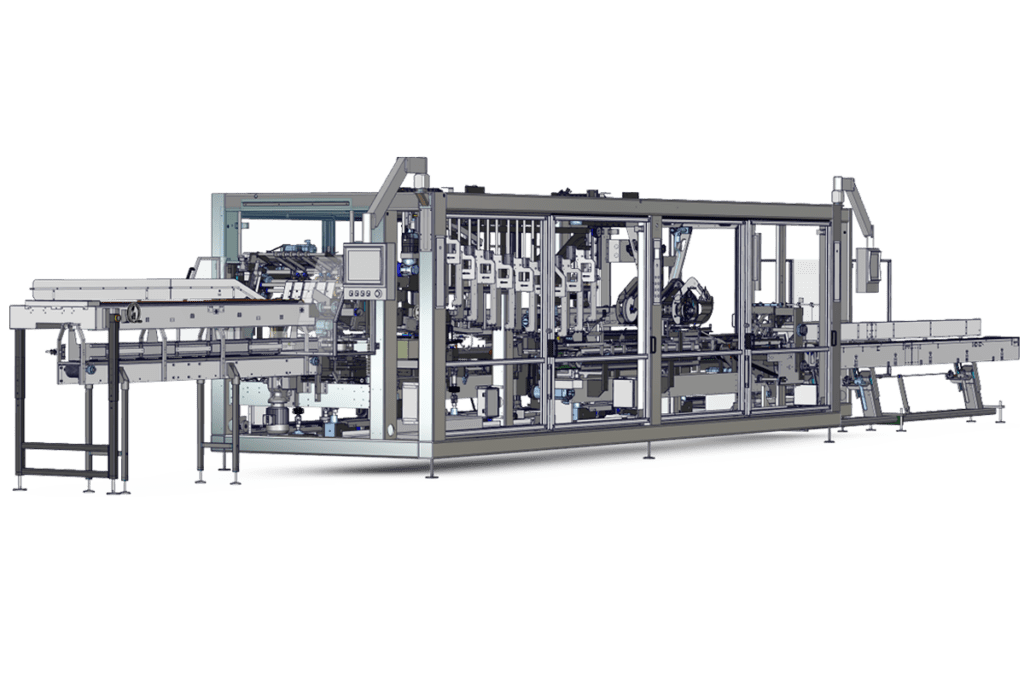
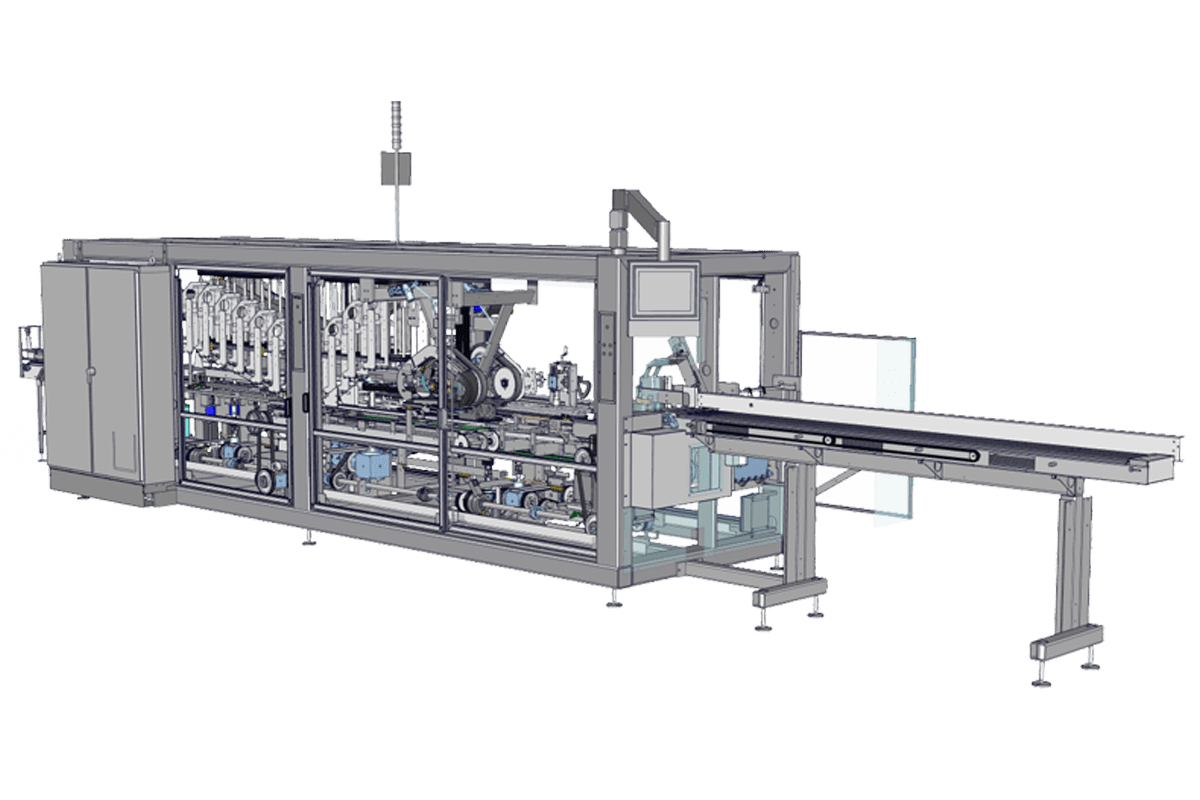
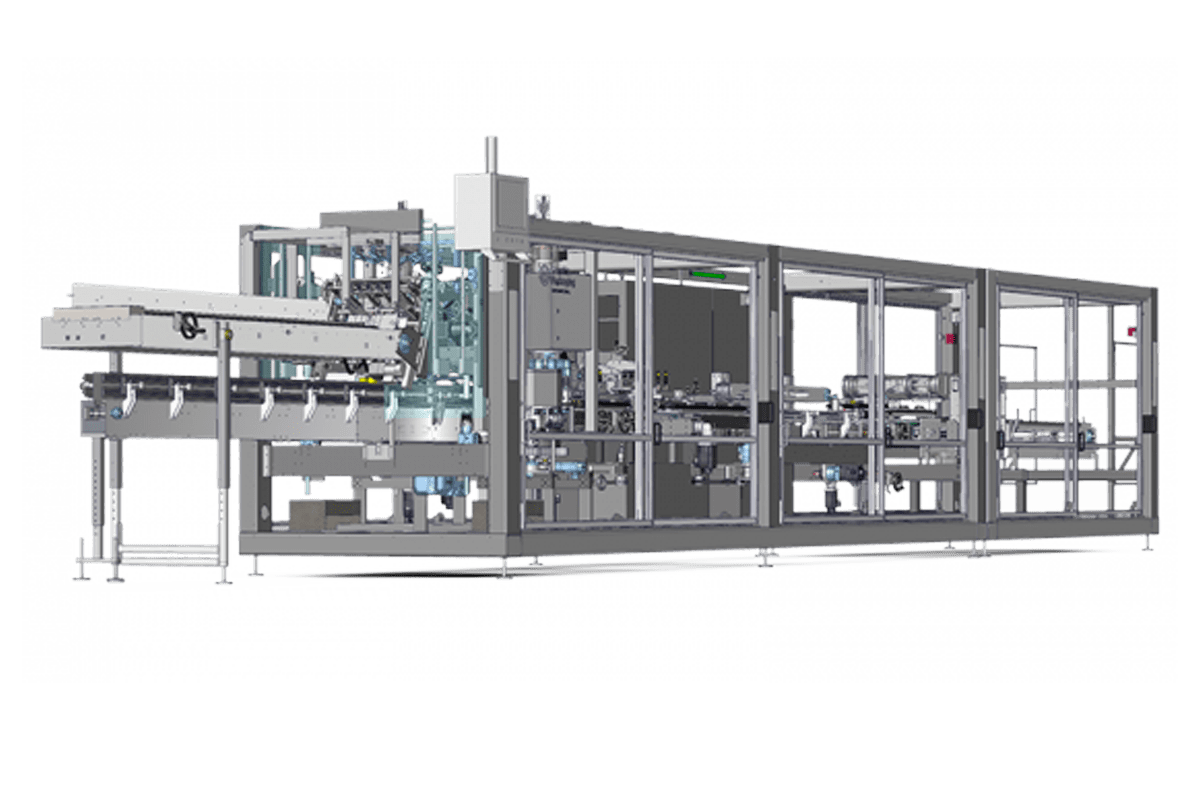
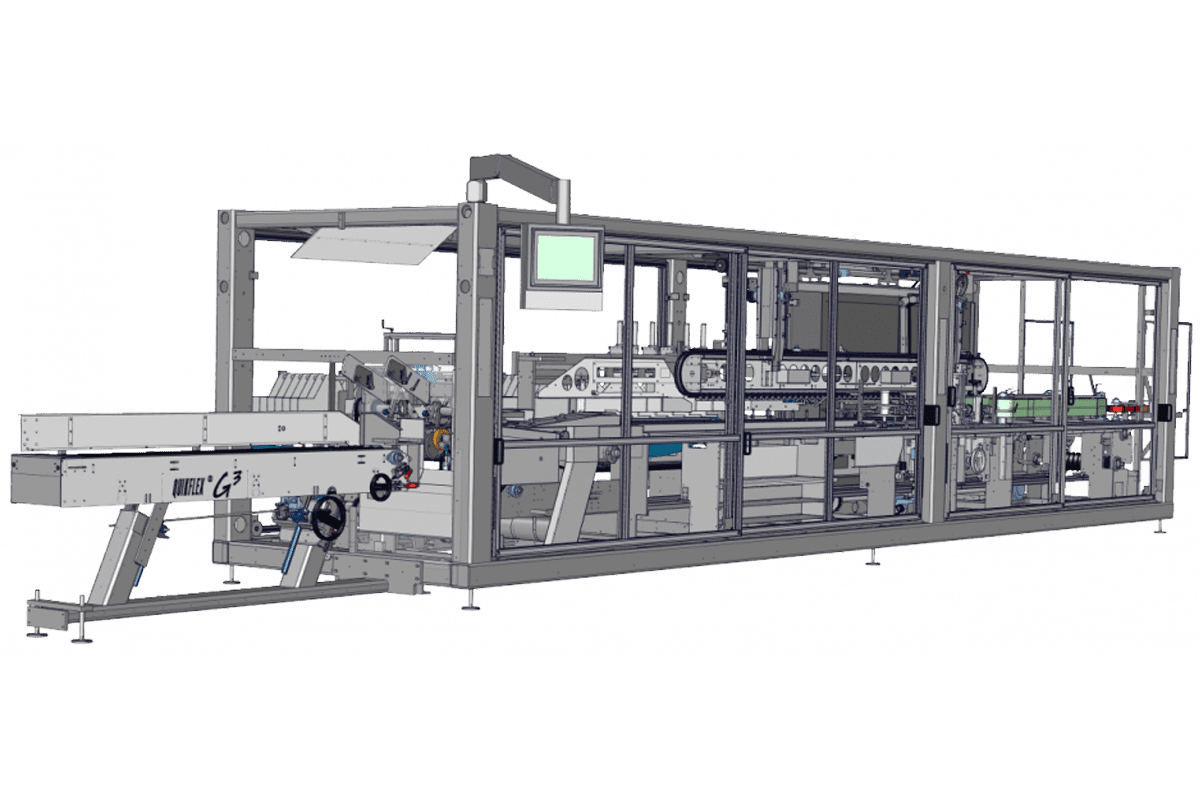
Bag-in-Box Filling Machinery & System Automation

Single-source accountability ensures your packaging structures and filling equipment are co-engineered for zero operational downtime.

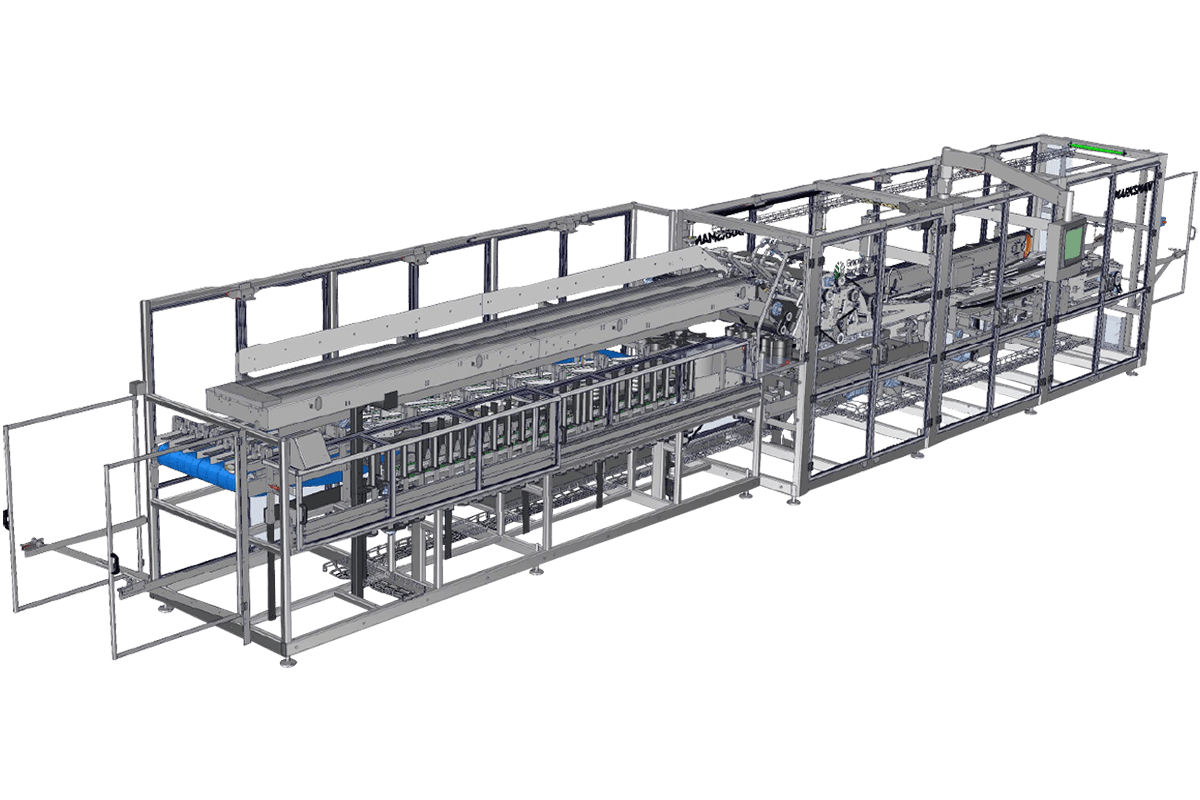
Automated packaging filling machinery system
System Synergy · Machinery + Cartons

End-to-End Line Performance Optimization

Mismatching flexible film bags with third-party filling equipment often leads to fitment leakage, pouch misfeeds, and costly line stoppages. Graphic Packaging International eliminates this friction by offering fully integrated equipment systems:

  • Semi-Automated Filling Machines: Ideal for low-to-medium volume batch processing, craft beverages, and pilot runs with precise flow-meter dosing.
  • Fully Automated High-Speed Inline Fillers: Featuring automatic web feeding, fitment separation, sterile chamber steam-sterilization, precise volumetric filling, nitrogen cap injection, and automatic insertion into outer cartons.
  • Integrated Box Erectors & Sealers: Continuous-motion cartoning machinery engineered to square, load, and hot-melt seal heavy-duty corrugated BIB containers.
Inquire Now
High speed BIB filling machinery

High-Speed BIB Fillers

Aseptic and non-aseptic liquid dosing for liquid food & drinks.

Automatic carton inserter for bag in box

Automatic Box Erectors

Fast corrugated carton forming and flap gluing.

Enclosed bulk liquid filling lines

Rotary Aseptic Fillers

Sterile liquid filling for dairy and food concentrates.

Case packing machinery for bulk liquid containers

End-of-Line Palletizers

Robotic stackers designed for heavy liquid containers.

Enterprise Advantage

Why Global Procurement Directors Partner with Graphic Packaging International

Choosing a packaging supplier is a strategic enterprise decision. As a publicly traded Fortune World's Most Admired Company (NYSE: GPK), Graphic Packaging International provides uncompromised supply security, audited quality controls, and unmatched technical scale.

Our end-to-end vertical integration spans fiber sourcing, polymer film extrusion, custom fitment molding, precision printing, converting, and packaging machinery automation. By consolidating your liquid packaging footprint under one trusted supplier, you reduce handoff liabilities, simplify vendor audit compliance, and de-risk your international supply chain.

Inquire Now
NYSE: GPKPublicly listed company with transparent ESG disclosures
Vertical IntegrationIn-house film, carton converting, and filling machinery
Global ReachManufacturing centers across North America, Europe, and Asia-Pacific
E-E-A-T ExcellenceRecognized by Fortune, Ethisphere, JUST Capital, and 3BL
Sustainable packaging choice for future generations
ESG & Decarbonization

Measurable Life Cycle Assessment (LCA) Benefits

Bag-in-Box packaging delivers concrete carbon offset data to support your corporate ESG reporting commitments:

  • Lower Freight Fuel Emissions: Because flat-packed BIB packaging ships efficiently prior to filling, it requires up to 80% fewer truckloads than empty rigid plastic pails or glass bottles.
  • FSC & PEFC Certified Fibers: Our outer cartons utilize responsibly managed forest fibers, ensuring compliance with global deforestation regulations.
  • Reduced Landfill Footprint: Collapsed post-consumer inner bags take up significantly less landfill volume than rigid HDPE buckets or steel drums.
Inquire Now
Structured Sourcing Workflow

How We Partner with International B2B Buyers

A rigorous, de-risked five-stage development workflow engineered to take your liquid packaging project from initial brief to full commercial rollout.

1. Liquid & Line Audit

We analyze product viscosity, oxygen sensitivity, filling temperatures, chemical reactivity, and existing line speed targets.

2. Film & Tap Match

Engineers formulate the multi-layer barrier film structure (EVOH, MET-PET, mono-PE) and select compatible dispensing valves.

3. ISTA & Drop Testing

Prototypes undergo rigorous drop testing, transportation vibration analysis, and Oxygen Transmission Rate (OTR) validation.

4. Line Trial & Fitment Integration

Trial runs are validated on your filling line or matched with custom GPI packaging machinery to guarantee line efficiency.

5. Global Scale & Supply

Full-scale production commences across our global network with localized inventory buffering and technical field support.

Frequently Asked Questions

Bag-in-Box Procurement & Technical FAQ

Expert answers to common technical, operational, and commercial questions asked by enterprise procurement buyers and packaging engineers.

What is Bag-in-Box packaging and how does it protect liquid product integrity?

Bag-in-Box (BIB) packaging consists of a heavy-duty flexible inner bag equipped with high-barrier film layers (such as EVOH or metallized PET) and a customized dispensing fitment, housed inside a rigid fiber-based outer carton. As liquid is dispensed, the flexible bag collapses around the remaining liquid without venting, preventing air ingress and oxygen contact. This design dramatically extends shelf life after opening compared to rigid bottles or plastic pails.

How does Bag-in-Box packaging compare to rigid HDPE pails and steel drums in total cost of ownership (TCO)?

Bag-in-Box packaging provides up to an 85% reduction in empty packaging storage volume prior to filling, as flat cartons and collapsed bags ship in dense pallet quantities. In transport, BIB eliminates dead space due to its cubical footprint, increasing transport payload volume by 20% to 40%. Furthermore, BIB consumes up to 75% less plastic by weight than rigid drums or pails, lowering plastic tax levies, freight fuel consumption, and end-of-life disposal costs.

What barrier films and dispensing fitments are available for high-acid, low-acid, and aseptic applications?

We supply EVOH co-extruded films for oxygen-sensitive liquids, metallized polyester (MET-PET) for ultimate light and barrier protection, monomaterial polyethylene (PE) formulations for improved circular recycling, and nylon-laminated layers for high flex-crack resistance. Fitment options range from tamper-evident Vitop taps and push-plungers to aseptic connectors and quick-connect valves tailored to commercial food service dispensers.

Can Graphic Packaging International supply both the Bag-in-Box packaging and automated filling machinery?

Yes. Graphic Packaging International provides fully integrated system solutions. We engineer and build automated and semi-automated bag-in-box filling machinery, carton formers, bag loading systems, and case sealers designed specifically to run our flexible bags and rigid cartons seamlessly at maximum speed and line efficiency.

How does Bag-in-Box packaging support corporate ESG goals and scope 3 carbon footprint reduction?

Bag-in-Box reduces greenhouse gas emissions across the entire product lifecycle. By replacing heavy rigid glass or plastic containers with lightweight, fiber-based outer packaging derived from responsibly managed forests, companies achieve significant reductions in raw material extraction impact, transport emissions, and plastic landfill waste.

What key specifications should global procurement directors evaluate when sourcing Bag-in-Box packaging?

Procurement teams should analyze Oxygen Transmission Rate (OTR), Water Vapor Transmission Rate (WVTR), puncture resistance, drop test certification (ISTA compliance), fitment flow rate, filling temperature parameters (hot-fill vs. ambient vs. cold aseptic), and compatibility with automated case packing lines.

Ready to Optimize Your Liquid Packaging Supply Chain?

Connect with our Bag-in-Box technical specialists to request product samples, barrier film specifications, or custom machinery filling line proposals.

As an equal opportunity employer, Graphic Packaging International is committed to accessibility, diversity, equity, and inclusion. All job applicants will be considered without regard to race, color, religion, sex, sexual orientation, gender identity, national origin, veteran, or disability status. If you are a disabled veteran or qualified individual with a disability, you may request a reasonable accommodation by contacting the job recruiter or local HR business partner, or by emailing [email protected].