

High-Barrier Rigid Paperboard Canisters: The Complete Enterprise Sourcing & Engineering Guide
How global FMCG brands are converting rigid plastic tubs and tinplate containers into high-fiber, recyclable paperboard canister systems with proven barrier integrity.

Zero-compromise Hermetic Fiber Canisters
Customizable shapes, flat-blank logisitics efficiency, and airtight gas barrier protection for coffee, powdered nutrition, and snacks.
Engineered by a Globally Recognized Fiber Packaging Pioneer
Graphic Packaging International (NYSE: GPK) combines pulp mill integration, proprietary structural design, barrier film laminations, and custom inline machinery to replace legacy plastic and tin cans at scale.
Why Global Procurement Leaders are Migrating to Rigid Paperboard Canisters
Navigating Extended Producer Responsibility (EPR) penalties, corporate Scope 3 decarbonization mandates, and consumer resistance to single-use plastics without risking shelf life or filling line uptime.
The Technical & Operational Paradigm Shift
Historically, brand managers seeking extended shelf life for oxygen-sensitive or hygroscopic products (such as ground coffee, infant formula, cocoa powder, and clinical nutrition) were limited to three choices: rigid HDPE/PP tubs, tinplate steel cans, or multi-wall aluminum foil pouches. Each presents distinct supply chain vulnerabilities:
- Steel Cans & Metal Tins: High volatile raw material costs, heavy transport tare weight, and high carbon energy intensity.
- Rigid Plastic Containers: Escalating plastic packaging taxes across Europe (e.g., EU PPWR mandates) and North America, plus consumer backlash against non-renewable polymers.
- Flexible Pouches: Poor shelf presence, challenging stackability in logistics, and limited repulpability in municipal recycling streams.
The Paperboard Canister Solution
Rigid paperboard canisters—exemplified by Graphic Packaging’s flagship Boardio® packaging system—resolve this trilemma. By pairing virgin or recycled solid bleached sulfate (SBS) and unbleached kraft paperboard with micro-thin barrier liners and precision lid closures, we deliver:
- High Fiber Content: Consisting of over 80% to 90% renewable wood fiber sourced from certified sustainably managed forests (FSC® / PEFC™).
- Logistics Cube Optimization: Shipped as flat-folded blanks to filling facilities, eliminating the costly transport of empty pre-formed rigid containers.
- Hermetic Seal Integrity: Modified atmosphere packaging (MAP) capabilities with residual oxygen levels beneath 0.5% after gas flushing.
Engineered Rigid Paperboard Canister Formats
Tailored fiber-based container structures engineered to match specific barrier protection criteria, shelf aesthetic goals, and filling equipment requirements.
Boardio® Custom-Formed Rigid Paperboard Canisters
Boardio® represents the apex of structural paperboard engineering. Manufactured directly on-site from flat printed blanks using integrated Graphic Packaging forming machinery, Boardio® replaces traditional tin cans, rigid plastic tubs, and glass jars for sensitive dry food and consumer formulations.
- Structural Geometries: Round, square with rounded corners, rectangular, oval, and custom contoured shapes for max shelf impact.
- Barrier Performance: Ultra-low MVTR and OTR barrier layers engineered for ground coffee, milk powders, powdered beverages, and snacks.
- Inbound Freight Efficiency: Shipped flat on pallets; one truckload of Boardio® flat blanks replaces up to 9 to 12 truckloads of pre-formed rigid plastic containers.
- Closure Options: Peelable aluminum or paper membrane seals, hinged reclosable paperboard lids, and integrated tamper-evident bands.
Composite Spiral-Wound & Convolute Paper Canisters
Engineered for maximum vertical stacking strength and puncture resistance, our multi-ply spiral-wound paperboard canisters offer dependable structural integrity for industrial, retail, and food-grade applications.
- Multi-Ply Paperboard Construction: High-density recycled paperboard body plies tailored for heavy-duty load packaging.
- Custom Inner Liners: Grease-proof barrier papers, foil laminates, or moisture barrier poly coatings matched to product chemistry.
- Versatile Top/Bottom Ends: Compatible with curl-neck paperboard ends, metal tinplate bottoms, plug lids, or shaker tops for seasonings and pet treats.
- Branded Finishing: Offset lithographic and flexographic high-definition outer labels with metallic foil stamping, soft-touch matte finish, and tactile embossing.
Comparative Technical Matrix: Rigid Paperboard Canisters vs. Legacy Formats
| Performance Parameter | Boardio® Paperboard Canister | Tinplate Steel Can | Rigid HDPE Plastic Tub |
|---|---|---|---|
| Renewable Fiber Content | 80% - 90%+ | 0% (Mineral) | 0% (Fossil Fuel) |
| Inbound Transport Form | Flat Blanks (Dense Palletization) | Pre-formed (Transports Air) | Pre-nested / Pre-formed |
| Oxygen Barrier (OTR) | < 0.05 cc/m²/day (Modified Barrier) | 0.00 cc/m²/day | 0.5 - 2.0 cc/m²/day |
| Moisture Barrier (MVTR) | < 0.1 g/m²/day | 0.00 g/m²/day | 0.1 - 0.5 g/m²/day |
| Shape Versatility | Square, Round, Oval, Rectangular | Primarily Round | Round & Square |
| Carbon Footprint Reduction | Up to 50% - 70% CO2e Savings | Baseline (High Energy Intensity) | Baseline (High Fossil Origin) |
Future Procurement Trends in Rigid Paperboard Canisters
Key market forces driving global packaging specifications over the next decade.
1. Extended Producer Responsibility (EPR) & Packaging Taxes
Global regulatory frameworks—such as the EU Packaging and Packaging Waste Regulation (PPWR) and state-level EPR laws in North America—penalize non-recyclable multi-material plastics and heavy packaging. Procurement teams are specifying rigid paperboard canisters with >80% fiber by weight to secure favorable recycling fee tiers and avoid eco-contribution penalties.
2. Scope 3 Decarbonization & Freight Optimization
Transporting empty pre-formed rigid packaging incurs massive Scope 3 carbon emissions. Future-focused supply chains prioritize flat-blank canister shipments. Shipping unformed paperboard blanks reduces inbound freight volume by up to 90%, enabling procurement managers to drastically cut fuel surcharges and transportation emissions.
3. Transition to PE-Free & PFAS-Free Functional Coatings
Procurement audits increasingly prohibit per- and polyfluoroalkyl substances (PFAS) and traditional polyethylene (PE) extrusions. The next generation of rigid paperboard canisters utilizes bio-based, water-borne dispersion barriers that provide water vapor, oil, and grease resistance without sacrificing pulping efficiency in standard recycling mills.
4. E-Commerce Structural Resilience & ISTA-6 Validation
With direct-to-consumer (DTC) retail expanding rapidly, canisters must survive parcel transit without denting or leaking seals. Rigid paperboard canisters engineered with reinforced rim beads and resilient side walls undergo rigorous ISTA 3A and Amazon Ships In Own Container (SIOC) ISTA-6 testing to eliminate transit damage claims.
5. Total Cost of Ownership (TCO) Rationalization
Forward-thinking sourcing managers look beyond unit piece price to total operational cost. By consolidating board converting, functional coating application, high-definition printing, and automated filling equipment under a single vertically integrated supplier, enterprise buyers reduce supplier lead-time risks and quality disputes.
Ready to Benchmark Your Current Canister TCO?
Our enterprise packaging engineers conduct line audits and Life Cycle Assessments (LCA) to quantify cost and carbon reduction opportunities.
Industry Development Trends in Rigid Fiber Packaging
Breakthrough innovations shaping the functional capability, shelf appearance, and circularity of paperboard canisters.
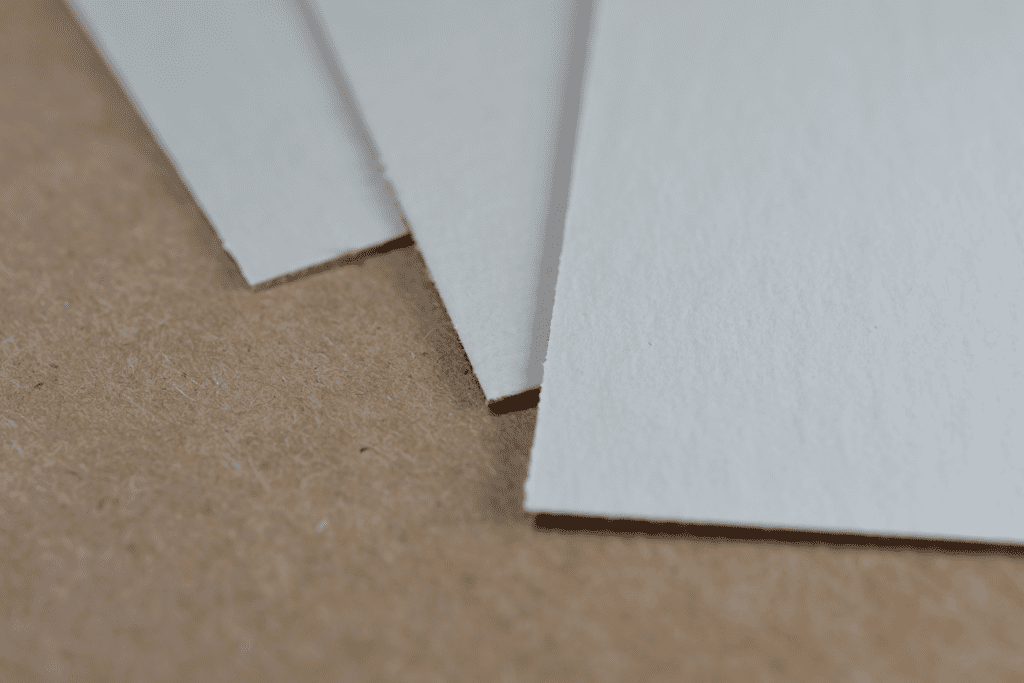
Advanced Barrier Coatings & Mono-Material Circularity
The historical barrier requirement for extended shelf life necessitated heavy foil-paper laminates that presented recycling challenges. Graphic Packaging is leading the development of next-generation dispersion-coated paperboard substrates.
- Micro-Thin Barrier Films: Engineered polymer layers under 10 microns that maintain nitrogen flush levels (<0.5% residual oxygen) while passing standard pulping protocols.
- Foil-Free High-Barrier Structures: Eliminating aluminum foil plies in favor of high-performance EVOH or mineral-filled barrier coatings for reduced environmental impact.
- Certified Bio-based Polymers: Incorporating renewable plant-derived PLA or PHA matrix layers to enhance end-of-life biodegradability in industrial composting environments.
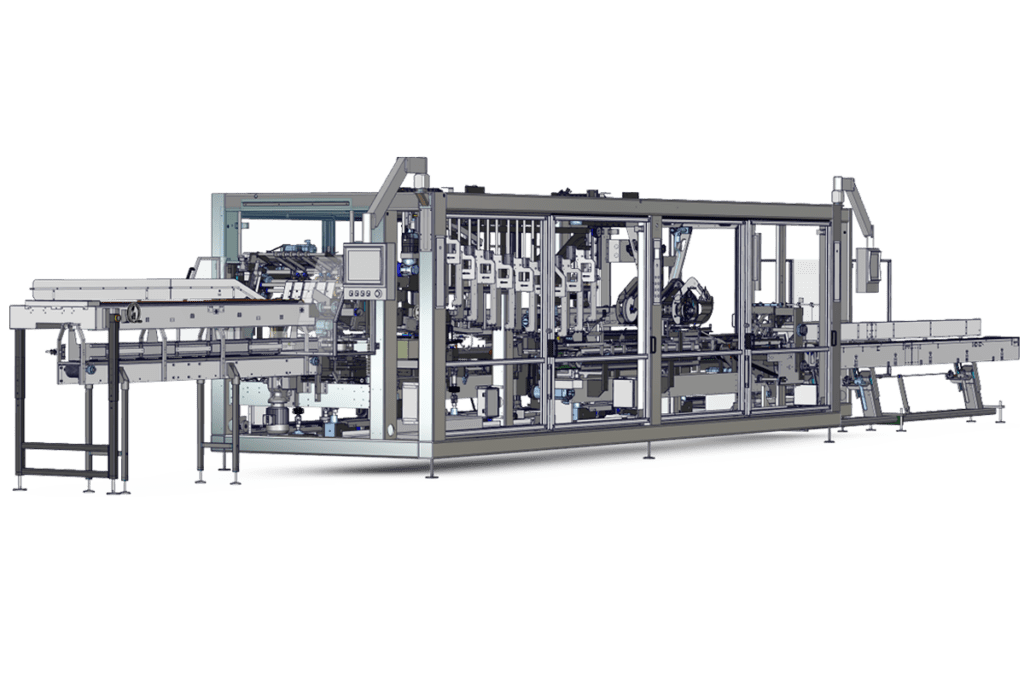
Turnkey High-Speed In-Line Canister Forming Systems
Packaging performance cannot be separated from filling-line machinery. Modern manufacturing plants are transitioning from purchasing pre-made composite cans to installing fully automated canister forming systems synchronized directly with filling lines.
- High Operational Speeds: Inline forming equipment operating at speeds up to 300 to 400 canisters per minute, matching high-speed powder and liquid filling operations.
- Modular Shape Conversion: Rapid changeover capabilities allowing production lines to switch between round, square, and rectangular formats with minimal downtime.
- Hermetic Ultrasonic Sealing: Advanced ultrasonic and induction membrane sealing technology ensuring zero seal degradation during high-speed gas flushing.
Rigid Paperboard Canisters: Frequently Asked Questions
Answers to technical, operational, and sustainability questions asked by global procurement directors and packaging engineers.
What are rigid paperboard canisters and how do they replace rigid plastic or metal packaging?
Rigid paperboard canisters are engineered fiber-based cylindrical or custom-shaped containers constructed from paperboard plies and barrier inner linings. They are designed to deliver structural rigidity, stackability, gas barrier protection, and moisture resistance comparable to traditional tinplate steel cans, composite metal canisters, or rigid plastic HDPE/PP tubs.
By using paperboard made from renewable wood fibers as the primary structural element (often comprising over 80% to 90% of total package weight), paperboard canisters significantly lower package carbon footprints, reduce reliance on fossil-based polymers, and align with global circular economy standards.
What barrier levels (OTR & MVTR) can rigid paperboard canisters achieve for moisture-sensitive products?
Our advanced rigid paperboard canister solutions, including the Boardio® packaging system, feature customizable multi-layer barrier constructions. Depending on product sensitivity, we integrate high-barrier polymer coatings, aluminum-free dispersion layers, or EVOH barrier films.
These engineered barriers yield an Oxygen Transmission Rate (OTR) of less than 0.05 cc/m²/day and a Moisture Vapor Transmission Rate (MVTR) of less than 0.1 g/m²/day. This level of hermetic sealing protects oxidation-sensitive products such as roasted ground coffee, infant formula milk powders, active nutraceuticals, and crispy snacks for 12 to 24 months of shelf life.
How does shipping flat blanks for paperboard canisters optimize logistics compared to rigid tins?
When purchasing traditional pre-formed tin cans or rigid plastic tubs, procurement teams pay to transport empty volumetric space—essentially paying to haul air. For example, a single truckload of pre-formed rigid containers typically holds a limited quantity of finished packages.
In contrast, rigid paperboard canister systems like Boardio® are shipped to your filling facility as flat-folded printed blanks on dense pallets. A single truckload of flat paperboard blanks delivers the structural equivalent of 9 to 12 truckloads of pre-formed containers. This logistics density slashes inbound freight expenditure, reduces warehouse storage footprint by up to 80%, and substantially lowers Scope 3 transport greenhouse gas emissions.
Are rigid paperboard canisters recyclable in standard curbside municipal paper streams?
Yes. Graphic Packaging engineers paperboard canisters prioritizing end-of-life circularity. By maximizing paperboard content (>80-85% fiber by weight) and utilizing water-dispersible functional coatings or easily peelable membrane elements, our canisters pass standard international repulpability protocols (such as PTS, Western Michigan University, and CEPI testing standards).
When discarded in curbside paper recycling loops, the fiber plies break down easily in hydropulpers, allowing the high-grade wood fiber to be reclaimed for secondary paperboard manufacturing while minor barrier layers are screened out during mill processing.
Can rigid paperboard canisters be produced in non-round shapes such as rectangular or oval?
Unlike traditional spiral-wound composite cans, which are structurally constrained to circular cylinders due to the rotary winding process, modern custom-formed paperboard canister systems (such as Boardio®) can be engineered into diverse geometries.
We manufacture square containers with rounded corners, sleek ovals, rectangular bricks, and custom-contoured shapes. Non-round geometries offer superior shelf branding presence, enhance consumer hand ergonomics, and optimize retail shelf density by eliminating wasted space between round cans on retail displays.
Can Graphic Packaging supply both the canister packaging materials and inline forming machinery?
Yes. Graphic Packaging International operates an integrated Machinery Systems division that engineers, manufactures, and services automated canister forming and carton packaging equipment. Our proprietary forming machines install directly into your processing facility, forming rigid canisters from flat blanks inline before synchronized transfer to filling, gas flushing, and capping stations.
This single-source model eliminates supplier fingerprinting between paper converting and machine engineering, ensuring single-point accountability for line efficiency, carton tolerance, and sealing performance.
What closure and lid options are available for rigid paperboard canisters?
We offer a comprehensive portfolio of top and bottom closure systems tailored to user experience and tamper evidence requirements. Options include easy-peel aluminum or paper-based membrane inner seals, hinged reclosable paperboard top lids, molded snap-on caps (with recyclable PP/PE or bio-based options), tear-strip tamper-evident bands, and traditional tinplate steel ends for heavy-duty industrial applications.
How do I initiate a rigid paperboard canister conversion project with Graphic Packaging?
To begin a packaging audit or feasibility study, click the Inquire Now button to connect with our fiber packaging engineering team. We evaluate your current product specifications, barrier requirements, shelf life targets, annual volume needs, and line speeds to recommend optimized canister structures, material samples, and inline equipment configurations.
Vertically Integrated Excellence from Forest Fiber to Finished Pack
Choosing a packaging vendor for core product lines requires rigorous risk assessment. Graphic Packaging International provides global brand owners with unparalleled supply chain stability, technical depth, and audited corporate governance.
As a publicly traded industry leader (NYSE: GPK), we maintain full vertical integration—from responsibly managed timberland sourcing and virgin/recycled paperboard mills to specialized converting facilities, ink and barrier chemistry labs, and machine manufacturing plants across North America, Europe, and Asia-Pacific.
Transform Your Rigid Packaging Strategy Today
Connect with our senior paperboard canister specialists to request technical datasheets, material samples, Life Cycle Assessments, or inline equipment feasibility studies.
As an equal opportunity employer, Graphic Packaging International is committed to accessibility, diversity, equity, and inclusion. All job applicants will be considered without regard to race, color, religion, sex, sexual orientation, gender identity, national origin, veteran, or disability status. If you are a disabled veteran or qualified individual with a disability, you may request a reasonable accommodation by contacting the job recruiter or local HR business partner, or by emailing [email protected].