

High-Performance Sterile Medical Barrier Papers: Technical Sourcing & ISO 11607 Compliance Guide
Engineered porous and non-porous cellulose substrates delivering absolute microbial retention, clean aseptic peeling, and multi-mode sterilization compatibility for global device manufacturers.
Inquire NowAudited Operational Excellence & Compliance Integrity
Medical device original equipment manufacturers (OEMs) demand uncompromised reliability. Our vertically integrated pulp-to-pouch manufacturing network operates under strict cleanroom conditions, validated against global regulatory frameworks including ISO 11607-1, ISO 11607-2, EN 868-3, and EN 868-5.
The Role of Sterile Medical Barrier Papers in Modern Healthcare Packaging
In sterile packaging engineering, the primary objective of a sterile barrier system (SBS) is to allow effective sterilant penetration during cycle processing while guaranteeing absolute microbial barrier protection throughout handling, transport, and storage until the point of use in a clinical setting.
The Tortuous Path Filtration Mechanism
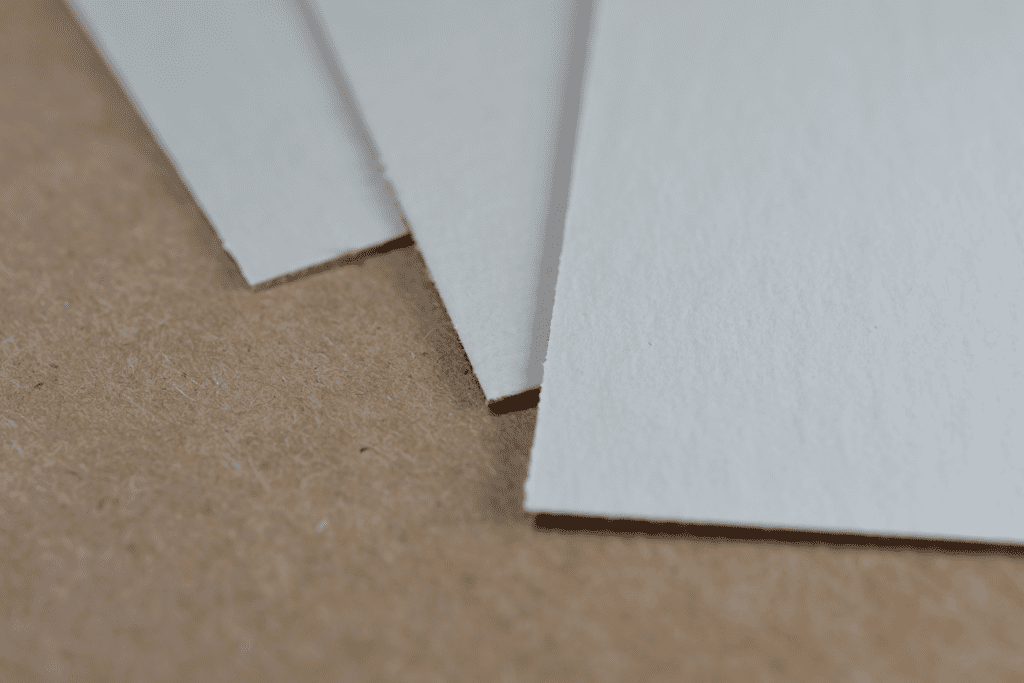
Sterile medical barrier papers are not simple sieves. Instead, they rely on a dense, non-woven network of micro-refined, virgin hardwood and softwood cellulose fibers. This random three-dimensional web creates a "tortuous path" for particulate matter and micro-organisms.
While gaseous sterilants such as Ethylene Oxide (EtO) or saturated steam pass through the microscopic interstitial voids between fibers, bacteria, spores, and viral particles are captured within the internal fibrous matrix via three physical mechanisms: inertial impaction, direct interception, and Brownian diffusion. This yields a Log Reduction Value (LRV) exceeding 6.0 for airborne bacterial spores.
- Made from 100% virgin bleach chemical pulp without recycled content or optical brighteners (FWA-free)
- Controlled pore size distribution preventing liquid strikethrough and microbial penetration
- Superior mechanical tensile strength and tear resistance under vacuum and pressure spikes
Sterile Medical Barrier Paper Recommendation Matrix
Engineered to meet specific device geometries, mass profiles, and sterilization modalities. Review our core technical grades designed for pouching, lidding, and form-fill-seal (FFS) medical packaging lines.
| Substrate Category | Grammage Range | Sterilization Modes | Porosity (Gurley / Bendtsen) | Key Technical Attributes | Target Device Applications |
|---|---|---|---|---|---|
| Uncoated Porous Medical Paper | 60 g/m² – 80 g/m² | EtO Gas, Steam/Autoclave, VHP | 15–35 s/100mL (Gurley) | High air permeability, rapid outgassing, high wet-strength binder formulation. | Standard surgical drapes, catheters, tubing sets, non-sharp syringes. |
| Reinforced Coated Barrier Paper | 70 g/m² – 90 g/m² | EtO Gas, Gamma, E-Beam | Controlled Porous / Non-Porous | Latex-free waterborne coating, zero fiber tear on peel, high burst strength. | Heavy metal surgical instruments, orthopedic implants, tray lidding. |
| Grid-Coated Medical Paper | 60 g/m² – 75 g/m² | EtO Gas, Steam | 20–40 s/100mL (Gurley) | Patterned adhesive coat preserving maximum breathability, economic seal consistency. | High-volume disposable medical kits, wound care dressings, bandages. |
| Non-Porous Heat-Seal Paper | 80 g/m² – 100 g/m² | Gamma Irradiation, E-Beam | Non-Porous (<1 mL/min) | Extrusion or dispersion coated barrier, exceptional oxygen & moisture resistance. | Sutures, diagnostic strips, moisture-sensitive pharmaceutical devices. |
EtO & Steam Porous Papers
Engineered with controlled porosity to optimize gas exchange cycles during Ethylene Oxide sterilization while maintaining structural integrity during steam pressure fluctuations.
Request Technical Data Sheet >Clean-Peel Heat-Seal Papers
Formulated with solvent-free, heat-activatable polymer coatings that create a robust hermetic seal with peelable film laminates without releasing particulate dust or cellulose fibers.
Request Peel Strength Samples >Radiation-Resistant Substrates
Specifically modified cellulose fiber formulations treated to prevent yellowing, embrittlement, or drop in mechanical tear strength following exposure to up to 50 kGy of Gamma radiation.
Consult Radiation Specialist >Global Procurement Trends in Medical Barrier Packaging
As global regulatory bodies tighten rules around medical device compliance and corporate ESG initiatives demand lower environmental footprints, procurement teams must balance risk mitigation with sustainable material sourcing.

1. De-Risking Supply Chains Amid Plastic Tax & PPWR Directives
The European Union Packaging and Packaging Waste Regulation (PPWR) and global plastic reduction mandates are placing plastic-heavy sterile pouches under unprecedented scrutiny. Procurement leaders are increasingly replacing non-recyclable plastic-plastic laminates with mono-material paper configurations or recyclable film-to-paper pouches.
By switching to high-purity sterile medical barrier papers, OEMs secure renewable fiber compliance while reducing total carbon intensity without compromising ISO 11607 sterility assurance levels.
2. High-Speed Line Efficiency & Machine-Material Compatibility
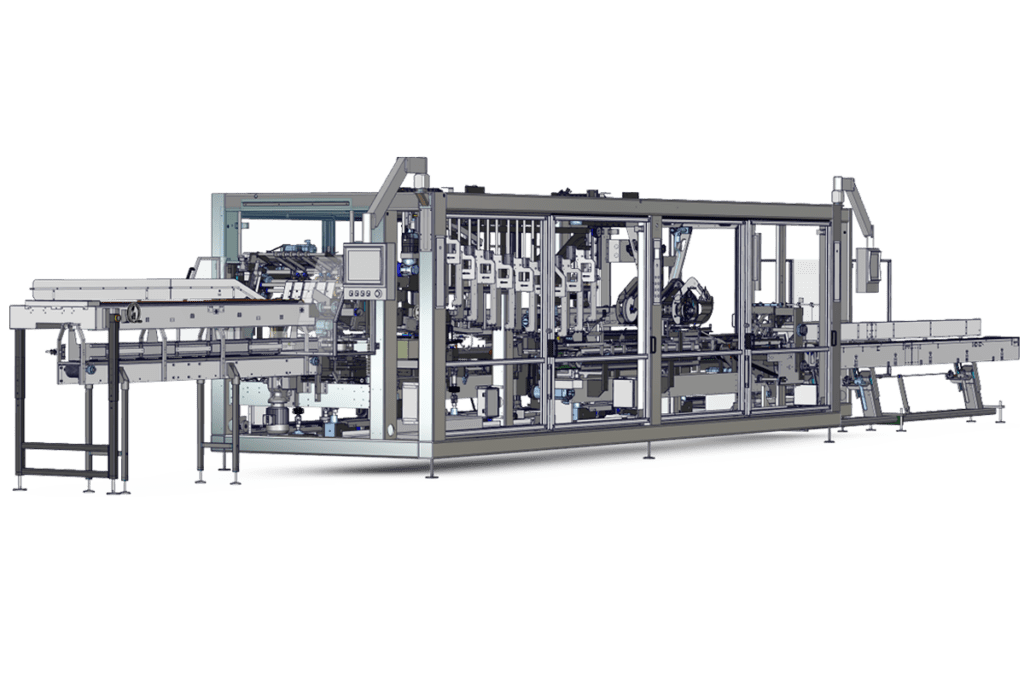
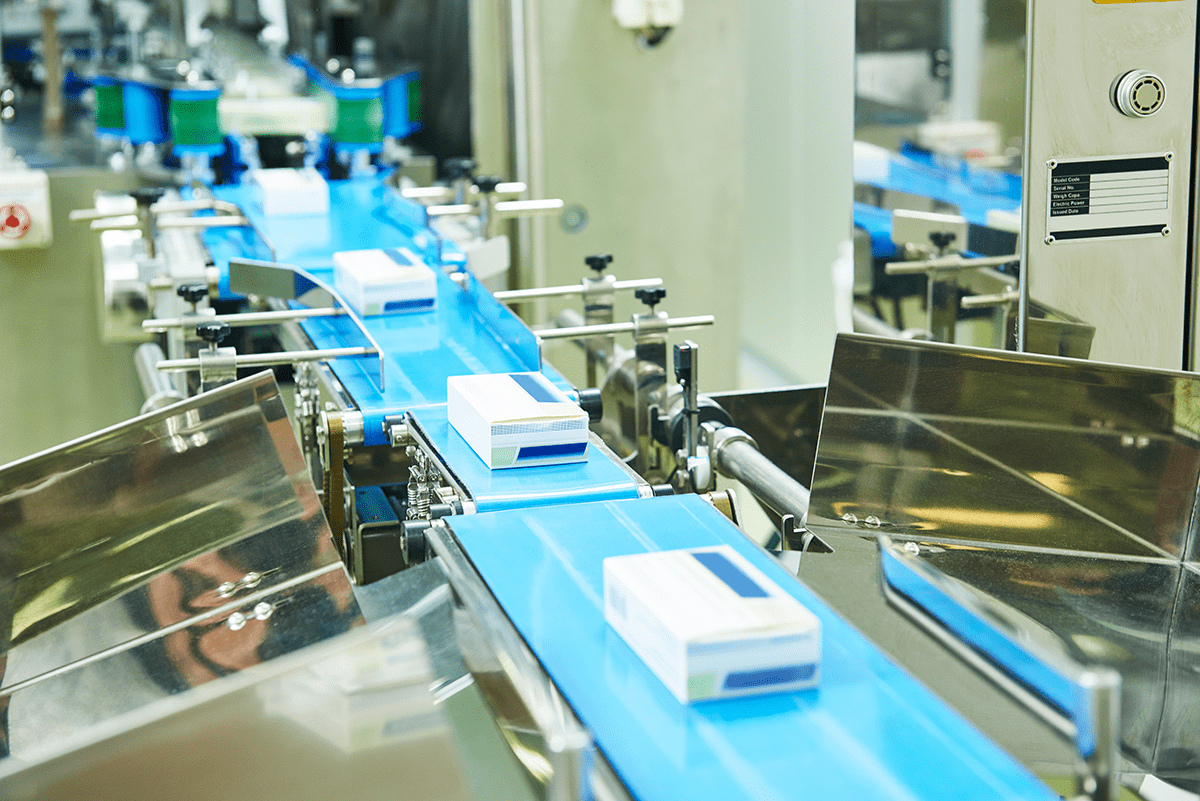
Modern medical packaging plants operate automated Form-Fill-Seal (FFS) lines running at higher web speeds. Sourcing directors are prioritizing medical papers with ultra-consistent tensile strength, controlled dynamic friction coefficients, and wide heat-sealing windows (typically 120°C to 180°C).
Inconsistent paper web tension or seal-coat variability leads to line downtime, rejected batches, and costly validation restarts under ISO 11607-2. Partnering with a material supplier that engineers both substrates and machinery eliminates these operational bottlenecks.
3. Elimination of Particulate Contamination in Operating Rooms
Operating room surgical teams report that cellulose fiber shedding during package peeling presents a severe risk of foreign-body contamination in surgical sites. Consequently, hospital procurement networks now mandate "Fiber-Free Peel" certifications.
Advanced sterile medical barrier papers utilize high-internal-bond refining techniques combined with specialized waterborne polymer coatings. When peeled, the cohesive fracture occurs strictly inside the coating layer, leaving the paper surface intact and completely dust-free.
Inquire NowFuture Technological Trends in Sterile Barrier Papers
Graphic Packaging International’s materials science team is advancing the next generation of medical substrates to meet emerging healthcare challenges.
PFAS-Free Barrier Formulations
Eliminating fluorochemicals and per- and polyfluoroalkyl substances (PFAS) by introducing bio-based hydrophobic coatings that maintain high grease, oil, and moisture liquid resistance.
Nanocellulose Reinforcement
Incorporating microfibrillated cellulose (MFC) into paper pulping to dramatically increase puncture and tear resistance, allowing lower grammage papers to support heavier metal instruments.
VHP Plasma Optimized Substrates
Developing low-adsorption paper surfaces optimized for Vaporized Hydrogen Peroxide (VHP) sterilization, reducing sterilant absorption cycles and speeding up aeration time.
Digital Serialization & UDI
Integrating surface-treated printable layers for high-resolution thermal transfer printing of Unique Device Identification (UDI) matrix codes directly onto the barrier paper.
Accelerated Aging Stability
Optimizing antioxidant chemistry within coatings to guarantee a 5-year to 10-year shelf life under ASTM F1980 accelerated aging protocols without seal degradation.
Why Global Medical Device Brands Partner with Graphic Packaging
Graphic Packaging International (NYSE: GPK) brings unparalleled enterprise scale, technical expertise, and supply chain security to the medical packaging sector. Unlike niche converters, we control the entire value chain from sustainable fiber management to high-precision coating, converting, and packaging machinery automation.
Our global manufacturing footprint guarantees business continuity through multi-plant redundancy, ensuring your sterile device production lines never face stockouts or material shortages.
- Cleanroom converting facilities operating under ISO 13485 quality systems
- Complete technical dossier support for ISO 11607 risk assessments and FDA 510(k) submissions
- Integrated packaging machinery systems engineered specifically to handle flexible medical barrier paper rolls
- Transparent governance recognized by Fortune, Ethisphere, JUST Capital, and 3BL
Frequently Asked Questions by Medical Device Buyers
How do sterile medical barrier papers ensure microbial barrier integrity under ISO 11607-1?
What is the difference between porous medical paper and non-porous medical substrate packaging?
How do latex-free adhesive coatings prevent fiber tear during pouch peeling?
Which sterilization methods are compatible with Graphic Packaging International's medical barrier papers?
How do international medical procurement teams validate sterile packaging for 5-year shelf life under ASTM F1980?
Does Graphic Packaging International provide both the medical paper rollstock and automated packaging machinery?
What documentation is provided to support medical device regulatory audit submissions (FDA 510(k), EU MDR)?
Connect with Our Medical Packaging Engineering Team
Request technical datasheets, material validation samples, or schedule a virtual line audit with our sterile barrier specialists.
As an equal opportunity employer, Graphic Packaging International is committed to accessibility, diversity, equity, and inclusion. All job applicants will be considered without regard to race, color, religion, sex, sexual orientation, gender identity, national origin, veteran, or disability status. If you are a disabled veteran or qualified individual with a disability, you may request a reasonable accommodation by contacting the job recruiter or local HR business partner, or by emailing [email protected].