Bag-in-box packaging is more than a flexible pouch inside a carton. It is a coordinated system: a barrier film, a reliable fitment, a sturdy outer case, and a tap that works cleanly when the pouch is nearly empty. For beverage, food, and other liquid producers, small design choices matter. A weak seal can mean product loss; an awkward tap can frustrate customers. The right supplier must understand the liquid, filling process, transport conditions, and end-user experience—not simply offer a low unit price.
Packaging educator and author Walter Soroka describes packaging as “the science, art and technology of enclosing or protecting products for distribution, storage, sale, and use.” That definition is a useful lens for comparing suppliers. This guide’s Top 10 examines capabilities such as material options, fitment design, filling-line compatibility, quality controls, technical support, and regional service. Rankings can never fit every operation. A small winery and a high-volume sauce producer may need very different solutions.
Look closely.
Ask how suppliers validate seals, handle real-world filling trials, and support changes in product or volume. Published specifications are useful, but they do not replace a line test. Nor does a polished brochure guarantee dependable service. Some comparisons remain imperfect; supplier data is not always presented in the same way. Still, practical questions reveal a lot. The strongest partner is the one whose packaging performs consistently from the filling room to the last pour.
What Bag-in-Box Packaging Is and How It Works
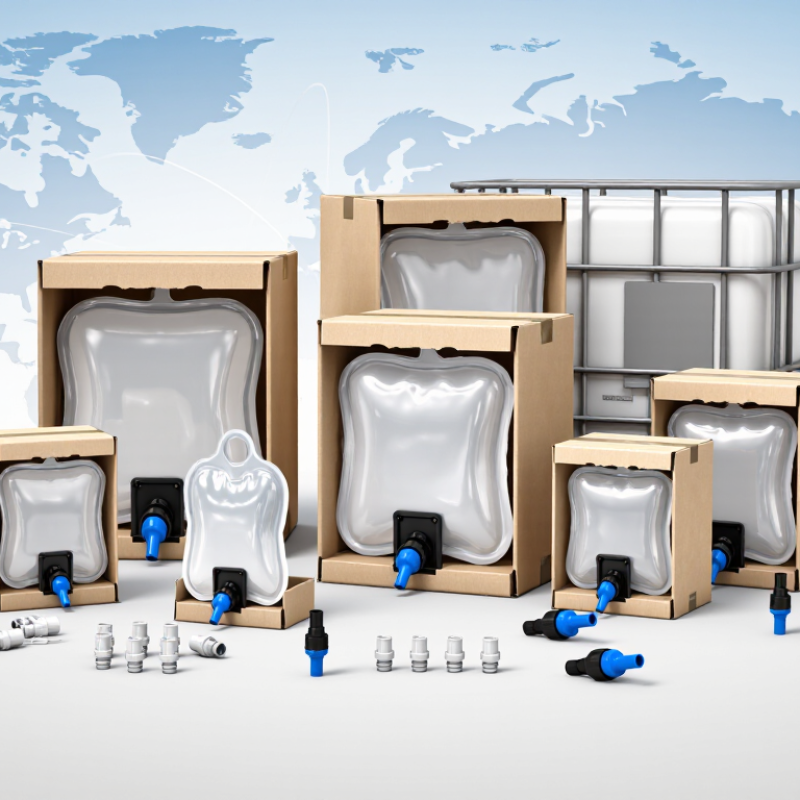
Bag-in-box packaging combines a flexible inner bag, a dispensing fitment, and a protective outer carton. The bag usually uses layered films selected for the product’s needs, such as limiting oxygen or light exposure. During filling, equipment seals the bag and connects the fitment. The filled pack then sits inside a carton for handling and storage. When opened, a tap or valve dispenses liquid; a well-designed system helps limit air entering the bag. Details matter.
This format is used for products such as juice, wine, and cooking liquids. Its light weight and collapsible bag can reduce storage space compared with many rigid containers. However, performance depends on film structure, seal quality, fitment design, and filling conditions. A package that works well for one liquid may not suit another. Shelf-life claims should be supported by product-specific testing, not guessed from appearance alone.
Tips: Check that the carton supports the filled bag without bulging. Keep the tap clean, and follow the supplier’s storage guidance after opening. Ask about oxygen-barrier performance and compatibility with your filling equipment. Small leaks can be easy to miss, so inspect seals during routine quality checks. A minor detail, perhaps, but worth checking.
Key Applications and the Global Bag-in-Box Market
Bag-in-box packaging serves markets that need liquids stored, shipped, and dispensed with limited handling. Common applications include wine, juice, dairy products, edible oils, and liquid food ingredients. In foodservice, a tap can help staff pour measured portions without repeatedly opening a rigid container. Larger formats also suit some cleaning and industrial fluids. Practical details matter: a flexible inner bag collapses as it empties, while the outer carton supports stacking and transport.
The global market is expanding, though estimates differ by report scope. Grand View Research valued the bag-in-box packaging market at about US$3.7 billion in 2022 and projected a 6.5% compound annual growth rate from 2023 to 2030. Those figures indicate momentum, not a guarantee for every application. Still, the format is not automatically greener. Lightweight packaging can reduce material use during transport, but multilayer films, taps, and local recycling access complicate disposal. That trade-off is easy to overlook. Buyers should compare package weight, shelf-life needs, filling-line compatibility, and end-of-life options for their specific product. Industry forecasts are useful, but they cannot replace those practical checks.
Criteria for Evaluating Worldwide Packaging Suppliers
Evaluating worldwide bag-in-box suppliers takes more than comparing unit prices. Check whether each supplier can document film structure, oxygen and moisture barrier performance, seal strength, and fitment compatibility. Ask for test methods and recent batch records, not just a specification sheet. Small details matter. A leaking tap can spoil a whole shipment.
Geography also changes the score. Compare production capacity, lead times, backup sites, and local technical support in the regions you serve. The Flexible Packaging Association’s 2023 State of the U.S. Flexible Packaging Industry reported $42.9 billion in U.S. industry sales for 2022. This is not a global bag-in-box figure, but it shows the scale and complexity of the wider flexible-packaging supply base. Suppliers should explain how they control variation across plants and convert that capacity into dependable delivery.
Assess sustainability with evidence tied to the actual pack. Request material weights, recycled-content details where relevant, and life-cycle data with clear boundaries. The FAO’s 2023 food-loss reporting estimated that 13.2% of food was lost after harvest and before retail during 2016–2021. Packaging alone cannot prevent that loss, but fit, barrier performance, and handling matter. A supplier’s claim is only useful when test conditions are comparable. This part is often messy. Ask how failures are investigated, and whether corrective actions are shared with customers.
Profiles of 10 Leading Bag-in-Box Packaging Suppliers
Bag-in-box suppliers differ less by appearance than by the problems they solve. One profile is the high-barrier film converter, focused on protecting aroma and limiting oxygen exposure. Another is the aseptic packaging specialist, whose systems support sterile filling when product requirements demand it. A wine-focused supplier may prioritize clean pouring and reliable taps. A dairy-oriented supplier often emphasizes cold-chain compatibility and practical handling. Details matter.
Other profiles serve very different needs. The bulk-liquid supplier designs larger bags for food ingredients and production lines. A regional converter may offer shorter lead times and packaging adapted to local filling equipment. A fitment specialist concentrates on spouts, valves, and secure seals. An integrated equipment supplier pairs bags with filling machinery and setup support. Each approach has trade-offs. A recyclable-material developer works to reduce material complexity, though performance must still be verified. A service-led converter stands out through technical help, sampling, and consistent delivery.
These profiles are useful starting points, not a verified ranking of individual companies. Buyers should compare barrier data, fitment compatibility, filling conditions, and documented quality controls. Ask for samples and test them on the intended line. A small leak can spoil a whole batch. Supplier claims deserve scrutiny, too; published specifications do not always reflect real handling. That comparison is imperfect, but practical.
Top 10 Bag-in-Box Packaging Suppliers Worldwide
Representative Bag-in-Box Capacities by Application
The chart shows example package capacities commonly used across bag-in-box applications. Sizes vary by product and supplier; these figures are illustrative formats, not supplier rankings or market-share data.
How to Compare Suppliers by Products, Reach, and Services
Choosing among global bag-in-box suppliers starts with the package, not a ranking. Check available bag volumes, films, fitments, taps, and filling options. A winery may need oxygen control, while liquid soap needs material compatibility. Ask for technical sheets and samples. Then test the pack.
Compare manufacturing reach with actual delivery capability. A supplier with several plants may still ship your preferred film from one location. Confirm production sites, lead times, minimum order quantities, and backup capacity in writing. Request recent delivery records for your region, not just a broad map. Freight estimates can change.
Services matter after the first order. Check whether the supplier supports filling-line trials, fitment selection, and troubleshooting. Ask who handles quality concerns and how quickly replacement samples can arrive. Useful answers are specific. Vague promises are not proof. For a fair comparison, request quotes using the same product, annual volume, and destination. Review total cost, including liners, cartons, freight, testing, and possible downtime. Some details may remain uncertain until a pilot run; that is worth admitting. A scorecard helps, but it cannot replace opening a filled bag and checking for leaks, smooth dispensing, and practical handling.
Conclusion
Bag-in-box packaging combines a protective inner bag with a sturdy outer container, offering a practical way to store, transport, and dispense liquids while helping preserve product quality. Its flexible format serves a wide range of applications, from food and beverages to household, agricultural, and industrial liquids. As demand grows for efficient packaging and convenient dispensing, the global market continues to attract suppliers with different product capabilities and regional strengths.
This overview explains how to assess worldwide suppliers by considering packaging formats, material options, production capacity, geographic reach, customization, technical support, and delivery services. It also profiles ten leading supplier types and outlines how buyers can compare them against their specific needs. By evaluating products, service capabilities, and distribution coverage together, businesses can identify a suitable partner for reliable supply and long-term packaging requirements.