Microwave susceptor packaging is becoming a practical differentiator in frozen meals, pizzas, pastries, and crisp snack formats. It combines a thin metallized layer with paperboard or polymer structures. That layer converts microwave energy into surface heat, helping create browning, crunch, and a more oven-like finish. Small details matter.
Grand View Research reports continued growth in the global microwave packaging market, supported by convenience foods, urban lifestyles, and expanding ready-meal consumption. Smithers’ packaging outlook also identifies food convenience and higher-value performance features as important market drivers through the decade. These reports point toward opportunity, but they do not guarantee product success. Testing still decides the outcome.
Dr. Shyam S. Sablani, a food-processing and microwave-heating researcher, has stated, “Microwave heating can be nonuniform.” That observation explains why supplier selection requires more than reviewing a glossy sample. Buyers should examine susceptor coating consistency, seal strength, oxygen barriers, grease resistance, food-contact documentation, and performance across different microwave wattages. A package that crisps one pizza may soften another. That gap matters.
This guide evaluates leading Microwave susceptor packaging suppliers through material capability, converting experience, customization, quality systems, and technical support. It also considers practical production details, such as whether the susceptor stays aligned inside a sleeve or tray during automated filling. Supplier claims deserve verification. Pilot trials, independent testing, and clear specifications remain essential. The strongest partner is not always the largest company; sometimes, it is the supplier that explains limitations honestly and improves the design with you.
Microwave Susceptor Packaging: Definition, Structure, and Heating Principles
Microwave Susceptor Packaging: Definition, Structure, and Heating Principles
Microwave susceptor packaging uses a thin, metallized film to create browning and crisping. The film usually sits on paperboard, coated paper, or a polymer laminate. Its metal layer is extremely thin, unlike ordinary foil. Microwave energy induces electrical currents across this layer. The susceptor then converts energy into heat through resistance. That heat transfers into the food surface by conduction and radiation.
Packaging performance depends on several details. These include metal coating density, substrate thickness, adhesive stability, and food moisture. A dry pizza crust needs different heating behavior than a moist pastry. Smithers’ 2024 flexible-packaging forecast places the global market near US$300 billion by 2028. This scale increases supplier choices, but it also increases the risk of vague performance claims. Packaging engineers should request microwave profiles, hot-spot measurements, seal-strength results, and food-contact documentation. A supplier may provide attractive samples. Samples alone are not proof.
Tips:
Test the complete package, not only the susceptor film. Use the intended microwave wattage, load size, and heating time. Measure surface temperature after standing time. Check for warping, scorching, delamination, and difficult opening. I would also repeat tests with cold and room-temperature products. Real kitchens are inconsistent. That weakness matters. A design that crisps beautifully once may fail during distribution, storage, or a second heating cycle. Supplier selection should therefore combine laboratory data, production experience, and transparent corrective-action records.
Key Performance Criteria for Evaluating Susceptor Packaging Suppliers
Choosing the best microwave susceptor packaging supplier in 2026 requires more than comparing prices. Performance must be measured under realistic heating conditions. A reliable supplier should provide test data for browning, crisping, hot spots, and heating consistency. Ask whether tests used your food formulation, package size, and microwave settings.
Material control is critical.
Review the susceptor layer’s uniformity, seal strength, puncture resistance, and barrier performance. Packaging should protect the product from moisture and oxygen during storage. It should also remain stable during heating without creating unexpected package distortion. Request documented compliance testing, migration assessments, batch traceability, and clear quality-control procedures. Good suppliers explain limitations instead of hiding them.
Pilot trials reveal practical weaknesses.
Check whether the package runs smoothly on your filling and sealing equipment. Measure heating results from the center, edges, and corners. Small changes in food moisture can alter performance. That assumption can fail. Suppliers should support controlled trials, retain samples, and investigate defects with written corrective actions. Delivery reliability matters too. Compare production capacity, backup materials, lead times, and communication during urgent changes. Sustainability claims need evidence, including material weight, recyclability conditions, and waste data. A supplier may look impressive in a presentation, yet struggle with ordinary production pressure. Careful evaluation should expose that gap.
2026 Supplier Landscape: Materials, Technologies, and Production Capabilities
2026 Best Microwave Susceptor Packaging Suppliers?
The 2026 supplier landscape is shaped by material control, process stability, and verified heating performance. Common susceptor structures use metallized polyester, paperboard, coated paper, or multilayer laminates. Each option balances heat response, stiffness, cost, and recycling considerations. Material selection should match the food’s moisture, fat content, and heating cycle.
Vacuum metallization supports thin, controlled metal layers. Coating systems can improve adhesion and surface protection. Converting suppliers may offer laminating, slitting, die-cutting, pouch forming, and heat-sealing services. Some facilities also provide pilot-scale production before full commercialization. That step matters. Laboratory results often change during high-speed converting.
Reliable suppliers document incoming materials, coating weights, metal coverage, seal strength, and dimensional accuracy. They should support microwave heating trials across different oven outputs. Thermal mapping can reveal cold centers, scorched edges, or uneven browning. Production records, lot traceability, and calibrated inspection tools strengthen supplier credibility.
No supplier is perfect. A capable partner may still lack flexible minimum order quantities or rapid design revisions. Some suppliers emphasize appearance while under testing real heating conditions. Buyers should request samples, process data, food-contact documentation, and clear tolerance ranges. Factory audits can examine clean handling, operator training, and corrective-action records. Small details matter, especially when packaging must survive transport, storage, and repeated production runs.
How to Compare Susceptor Packaging Suppliers for Different Food Applications
2026 Best Microwave Susceptor Packaging Suppliers?
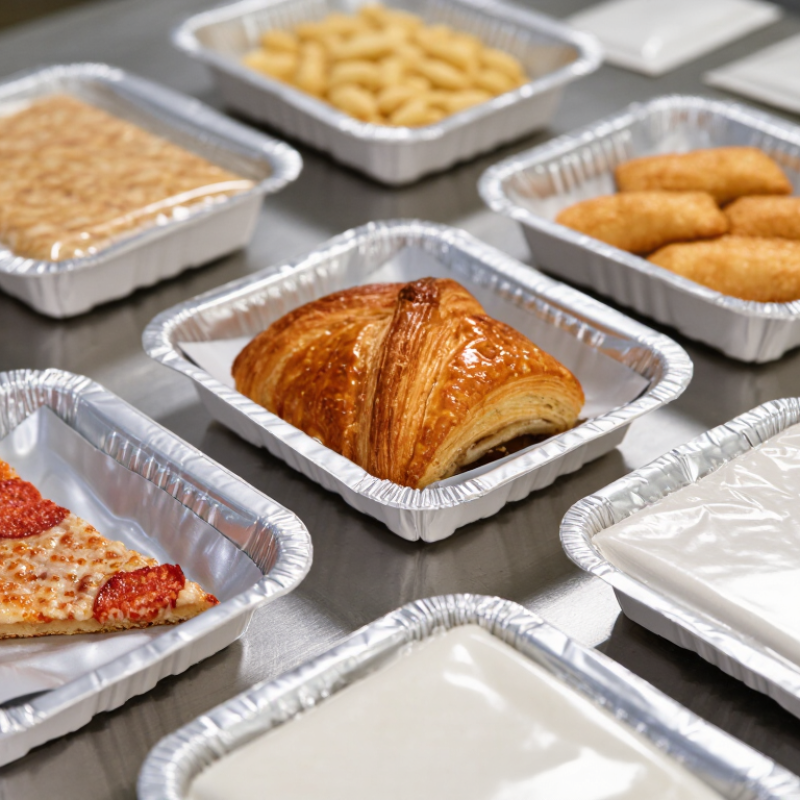
Comparing susceptor packaging suppliers starts with the food, not the brochure. Pizza needs strong browning and stable crust support. Sandwiches need controlled heating without drying the filling. Pastries require crisping, but their butter content can create uneven hot spots. Ask each supplier for application-specific samples. Test them with your actual food weight, moisture level, and microwave settings.
Review the susceptor film, board structure, coating, and sealing process. A reliable supplier should explain how heat transfers through each layer. Request thermal images, heating curves, and food-contact documentation. Check whether the package survives freezing, transport vibration, and repeated handling. For production use, confirm batch traceability, dimensional controls, and supply capacity. Small differences in board stiffness can affect loading speed and presentation.
Pilot testing matters most.
Do not judge samples after one heating cycle. Measure surface temperature, center temperature, crispness, leakage, and browning after several trials. A supplier may perform well with pizza but poorly with high-moisture fillings. That limitation is useful information, not a failure. In practice, packaging teams sometimes overlook opening instructions and real household microwaves. Weaker results can appear there. Compare suppliers using the same food formula, pack size, storage condition, and heating instructions. Then review the data with production and quality teams, not purchasing alone.
Quality, Compliance, Sustainability, and Cost Considerations in Supplier Selection
Selecting a microwave susceptor packaging supplier in 2026 requires more than comparing unit prices.
In packaging trials, small coating differences have caused uneven browning, scorched corners, and weak seals. Request production samples, not only laboratory prototypes. Check heating performance across microwave wattages, load sizes, and storage conditions. Ask for documented specifications covering substrate, susceptor coating, adhesive, and seal strength.
Compliance must be practical and traceable.
Reliable suppliers should provide current food-contact declarations, migration test reports, lot identification, and change-control procedures. Requirements differ by market, so confirm the exact destination regulations before approval. Audit the factory’s hygiene controls and testing records. A polished certificate is not enough. I have seen paperwork look complete while batch traceability remained unclear.
Sustainability needs measurable evidence.
Review fiber content, responsible sourcing, coating chemistry, recyclability limits, and manufacturing waste. Do not accept vague claims such as “eco-friendly” without supporting data. Cost analysis should include tooling, minimum order quantities, freight, rejected units, and line adjustments. A cheaper pack can become expensive after one filling-line delay. Supplier communication also matters. Slow answers may signal future problems, although this judgment can be imperfect. Keep a trial scorecard, record failures honestly, and revisit assumptions before signing a long-term agreement.
FAQS
It uses an extremely thin metallized film to brown and crisp food surfaces. The film may sit on paperboard, coated paper, or a polymer laminate. It is not ordinary foil.
Microwave energy creates electrical currents across the metal layer. The layer converts that energy into heat through resistance. Heat reaches food by conduction and radiation.
Moisture, fat content, product thickness, and temperature all influence results. A dry crust heats differently from a moist pastry. Small moisture changes matter.
Request microwave profiles, hot-spot measurements, seal-strength data, and food-contact documents. Ask for batch traceability and clear tolerance ranges. Samples alone are not proof.
Test the complete package, not only the film. Use the intended microwave wattage, food load, and heating time. Measure surface temperature after standing. Repeat tests with chilled and room-temperature products.
Inspect for scorching, warping, delamination, weak seals, and difficult opening. Measure heating at the center, edges, and corners. A beautiful first test may still fail later.
Common structures include metallized polyester, paperboard, coated paper, and multilayer laminates. Suppliers may provide laminating, slitting, die-cutting, pouch forming, and heat sealing. Pilot production can expose factory-scale problems.
Review coating uniformity, metal coverage, dimensional accuracy, and calibrated inspection records. Check production capacity, backup materials, lead times, and urgent-change communication. Factory audits can reveal weak training or poor handling. No supplier is perfect.
Conclusion
Microwave susceptor packaging is an engineered food-packaging solution that converts microwave energy into controlled surface heat, helping create browning, crispness, and more even heating. Its performance depends on the structure of metallized films, paperboard, coatings, adhesives, and protective layers, as well as how these materials interact with different foods and microwave conditions. This article explains the heating principles behind susceptor technology and identifies the key criteria for evaluating suppliers, including thermal consistency, seal integrity, dimensional accuracy, converting capability, and application-specific design support.
The 2026 supplier landscape is shaped by advances in material engineering, scalable production, customization, and quality control. Buyers should compare suppliers according to food type, package format, heating time, temperature requirements, and distribution conditions. Important selection factors also include regulatory compliance, food-contact safety, sustainability, recyclability, waste reduction, testing capacity, lead times, and total cost. A structured evaluation process can help food manufacturers choose reliable partners while balancing product performance, consumer convenience, environmental goals, and commercial practicality.