
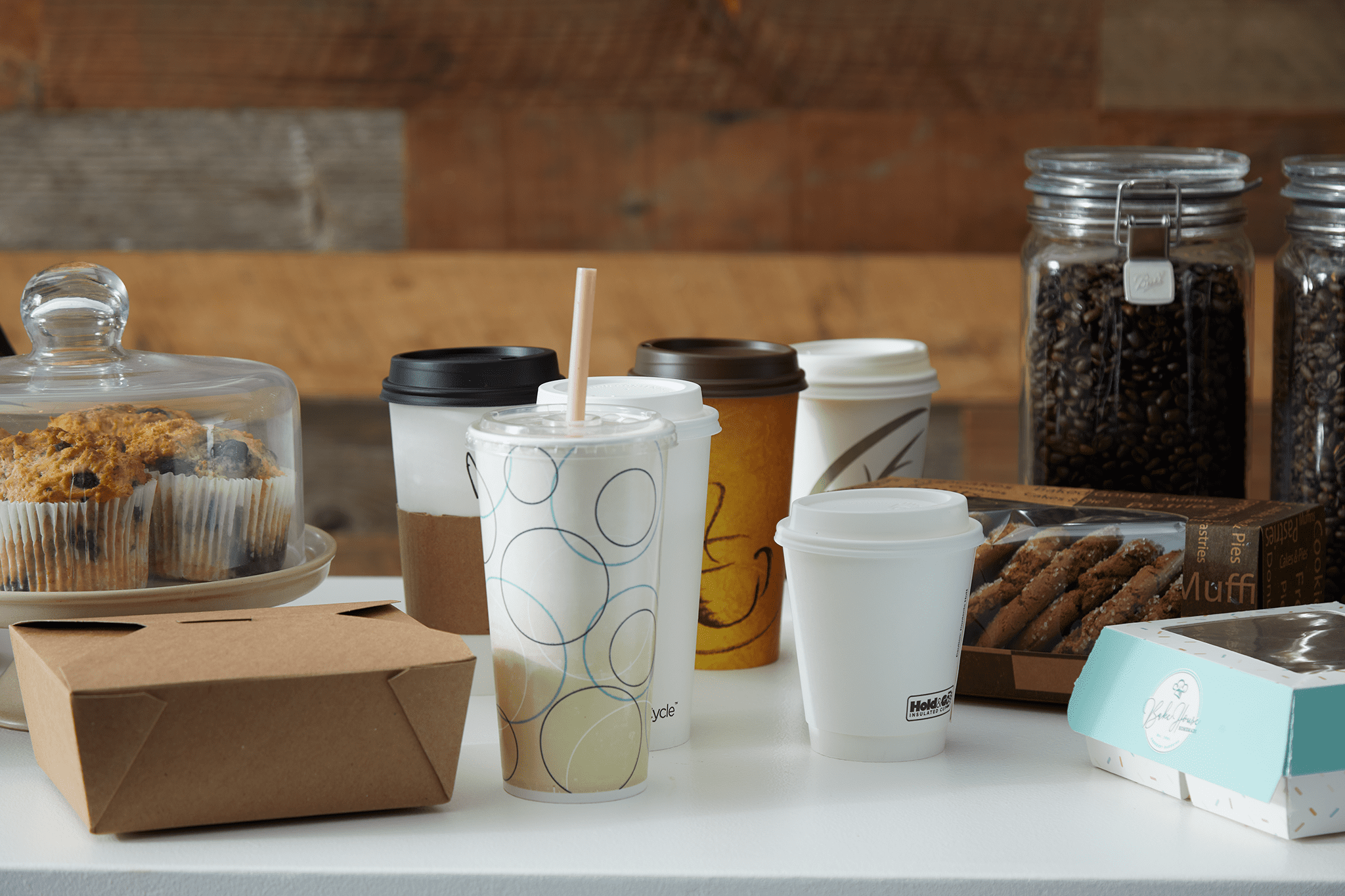
The Engineering & Sourcing Guide to Foodservice Cold Cups and Lids
Next-generation barrier coatings, snap-fit lid tolerances, and sustainable fiber supply chains engineered for global QSRs, drive-thrus, and commercial beverage operators.
Get CatalogBuilt on Audited Excellence & Material Integrity
As global quick-service restaurant (QSR) chains and beverage distributors transition away from legacy plastics, Graphic Packaging International delivers proven cold beverage packaging backed by global scale and verified ESG reporting.
Optimizing Foodservice Cold Cups and Lids: Beyond Basic Sourcing
The global commercial beverage ecosystem is experiencing a structural pivot. Sourcing managers responsible for high-volume cold cup contracts must navigate strict Single-Use Plastics (SUP) directives, evolving Extended Producer Responsibility (EPR) fee structures, and aggressive corporate decarbonization mandates without compromising operational efficiency at the point of sale.
In modern quick-service restaurants, convenience stores, and fast-casual operations, foodservice cold cups and lids are far more than commodity disposables—they are precision-engineered fluid container systems. A cold beverage package must endure high-speed automated dispensing, mechanical ice impact, prolonged condensation exposure ("sweating"), and rigorous delivery transit across third-party logistics platforms. A failure in rim roll concentricity, sidewall stiffness, or lid snap-fit retention results in immediate spills, brand erosion, operational downtime, and increased product liability.
This technical sourcing guide provides enterprise procurement directors, sustainability officers, and packaging engineers with the granular technical insights required to evaluate board formulations, barrier chemistries, lid retention metrics, and circular end-of-life recovery pathways. By controlling fiber sourcing through to converted product and integrated automation, Graphic Packaging International establishes a new benchmark for cold cup performance.
Comprehensive Product Specifications & Recommendations
Match your beverage program requirements—from fountain sodas and iced coffees to thick milkshakes and craft boba—with purpose-engineered cup substrates and matching lid geometries.

High-Caliper Solid Bleached Sulfate (SBS) & Unbleached Kraft Board
Our cold cups are manufactured using virgin, certified fiber harvested from responsibly managed forests. The underlying fiber matrix is engineered for superior stiffness-to-weight ratios, delivering structural rigidity under heavy ice fills and wet ambient environments.
- SFI® and FSC® Chain-of-Custody Certification: 100% traceable wood fiber supply chain.
- Engineered Moisture Resistance: Internal sizing prevents moisture wicking along cut edges.
- Anti-Sweat Board Dynamics: Maintains column crush strength even during extreme condensation.
| Product Line | Substrate Material | Barrier Coating Technology | Available Volume Sizes | Primary Application |
|---|---|---|---|---|
| Standard PE-Lined Cold Cup | Virgin Bleached SBS Paperboard | Double-Sided Polyethylene (PE) Extrusion | 12 oz, 16 oz, 21 oz, 24 oz, 32 oz, 44 oz | Fountain Soft Drinks, Iced Tea, Frozen Carbonated Beverages |
| BioPack™ Compostable Cold Cup | Unbleached / Bleached Kraft Paperboard | Polylactic Acid (PLA) Biopolymer | 12 oz, 16 oz, 20 oz, 24 oz | Commercial Compostable Beverage Programs, Smoothies |
| AquaShield™ Circular Cold Cup | High-Yield Recyclable Paperboard | Water-Based Aqueous Dispersion Barrier | 8 oz, 12 oz, 16 oz, 22 oz, 30 oz | Repulpable & Curbside Recyclable Programs (PTS Certified) |
| Double-Wall Insulated Cold Cup | Air-Gap Dual Ply Fiberboard | Inner Barrier / Outer Matte Texture | 12 oz, 16 oz, 20 oz, 24 oz | Iced Coffee, Espresso Drinks, Condensation-Free Drive-Thru |
Leak-Proof Rim Engagement & Strawless Design Innovation
The lid is the functional safeguard of the cold cup system. Graphic Packaging designs lids with tight dimensional tolerances (±0.005 inches) to ensure seamless snap-fit engagement on automated dispensing lines and manual counter service alike.
- Sip-Through & Strawless Lids: Eliminates plastic straw consumption while enhancing sensory aroma delivery for specialty beverages.
- Dome & High-Clear Lids: Engineered in post-consumer recycled PET (rPET) and PLA for whipped toppings, slushies, and cold brews.
- Cross-Slot Flat Lids: Flexible score patterns accommodate paper, bamboo, and reusable straws without liquid splash-back.
Future Procurement Trends in Cold Beverage Packaging
Procurement leadership requires looking beyond raw unit cost to anticipate regulatory mandates, freight economics, and circular economy requirements.
1. Accelerated Shift to Aqueous Coatings
Global bans on traditional plastic coatings and forever chemicals (PFAS) are pushing enterprise buyers toward aqueous dispersion coatings. These water-based polymer barriers break down cleanly in standard paper repulping mills, unlocking true curbside recyclability without requiring specialized industrial composting facilities.
2. SKU Rationalization & Common Lid Fits
Operators are eliminating logistical friction by migrating to universal rim diameters. By standardizing 90mm or 98mm cup top diameters across multiple cup volumes (e.g., 12oz through 24oz), restaurants reduce lid inventory SKUs by up to 60%, streamline drive-thru speed-of-service, and lower overall storage footprint.
3. Optimizing Nesting & Freight Density
Freight costs represent a major component of total landed cost. Advanced cup denesting geometry allows higher stack counts per sleeve and tightly packed corrugated shippers, reducing freight carbon intensity and optimizing warehouse cube utilization by up to 15%.
Extended Producer Responsibility (EPR) & Global Compliance Alignment
Regulatory frameworks across the European Union (SUP Directive 2019/904), North America (California SB 54, Washington HB 1050), and Asia-Pacific markets are establishing escalating penalties for non-recyclable single-use formats. Enterprise buyers must source cold cups certified under international repulpability standards (such as WMU and PTS) to minimize municipal eco-tax assessments and protect brand equity.
Industry & Technical Development Trends
Exploring the breakthrough chemical engineering and conversion technologies elevating fiber-based cold cups.

Eliminating PFAS & Reducing Carbon Footprints
Historically, achieving oil and water barrier performance required fluorinated chemicals or thick polyolefins. Next-generation dispersion barriers utilize ultra-thin nano-cellulose coatings and bio-wax formulations that deliver hydrophobic and oleophobic protection while preserving repulpability.
These breakthroughs enable paperboard cold cups to resist pin-hole leakage from carbonated acids, syrups, and alcohol bases for over 24 hours of sustained contact.
Ultrasonic Seaming & Precision Rim Roll Geometry
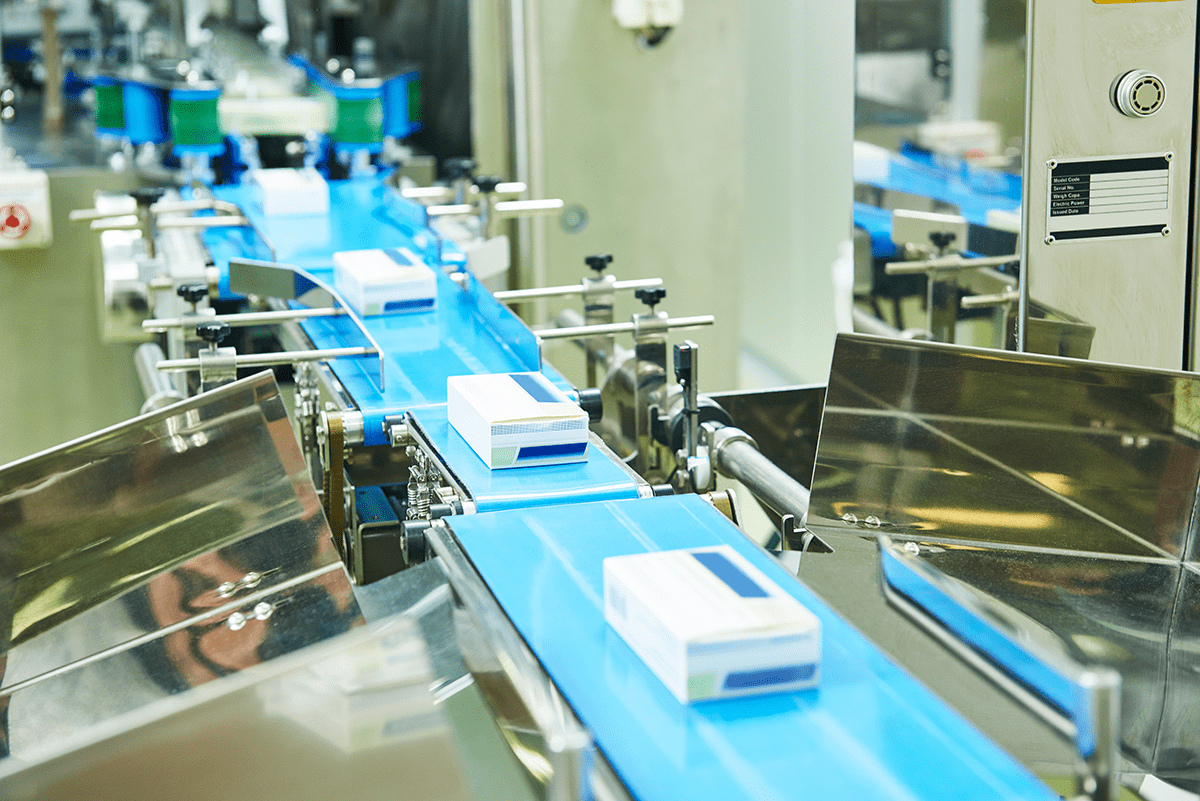
Modern cup conversion equipment utilizes ultrasonic side-seam sealing in place of thermal heat sealing. This technique decreases energy usage during manufacturing while providing a perfectly smooth internal seam seal. Combined with optical vision inspection, every rolled rim achieves exact sphericity, eliminating micro-gaps that cause liquid bypass under strawless lids.
Frequently Asked Sourcing & Technical Questions
Answers to key questions asked by enterprise buyers, procurement managers, and packaging engineers.
How do aqueous-coated food service cold cups differ from traditional PE-lined cups?
What measures prevent paperboard cold cups from softening due to condensation ("sweating")?
What lid materials are recommended for bio-based or compostable cold cup programs?
What lid snap-fit tolerances are required for high-speed QSR drive-thru operations?
Are your foodservice cold cups and lids compliant with global food safety regulations?
How does custom flexographic printing affect cup recyclability and sustainability?
Can Graphic Packaging supply automated dispensing machinery to pair with cold cup supplies?
Why Global Procurement Leaders Choose Graphic Packaging International
A fully integrated manufacturer providing fiber security, scale, and innovative packaging engineering from forest to counter.
Selecting a foodservice packaging vendor requires evaluating supply chain resilience. Graphic Packaging International operates fully integrated virgin and recycled paperboard mills, converting facilities, and machinery manufacturing plants across North America, Europe, and Asia. This vertical integration shields enterprise buyers from market pulp volatility and secures fiber supply during global supply disruptions.
Our dedicated Global Innovation Centers utilize climate-controlled testing laboratories to evaluate cold cup rim strength, lip-seal integrity, condensation survival rates, and thermal insulation under extreme humidity and temperature conditions. When you partner with us, your cold beverage program is backed by audited financial strength, industry-leading ESG performance, and uncompromised technical support.
Optimize Your Cold Beverage Packaging Program Today
Contact our foodservice packaging specialists to request engineering samples, request repulpability test data, or download our comprehensive product catalog.
As an equal opportunity employer, Graphic Packaging International is committed to accessibility, diversity, equity, and inclusion. All job applicants will be considered without regard to race, color, religion, sex, sexual orientation, gender identity, national origin, veteran, or disability status. If you are a disabled veteran or qualified individual with a disability, you may request a reasonable accommodation by contacting the job recruiter or local HR business partner, or by emailing [email protected].