
Microwave Susceptor Packaging Solutions: Technical & Sourcing Guide
Engineered browning, crisping, and uniform thermal transfer for global food brands. Combining fiber-based paperboard, optical density precision, and high-speed line automation.

Next-Generation Active Thermal Packaging
Sustainable fiber-based susceptor structures designed to meet stringent global food safety and environmental mandates.
Delivering Oven-Quality Crispness in Minutes
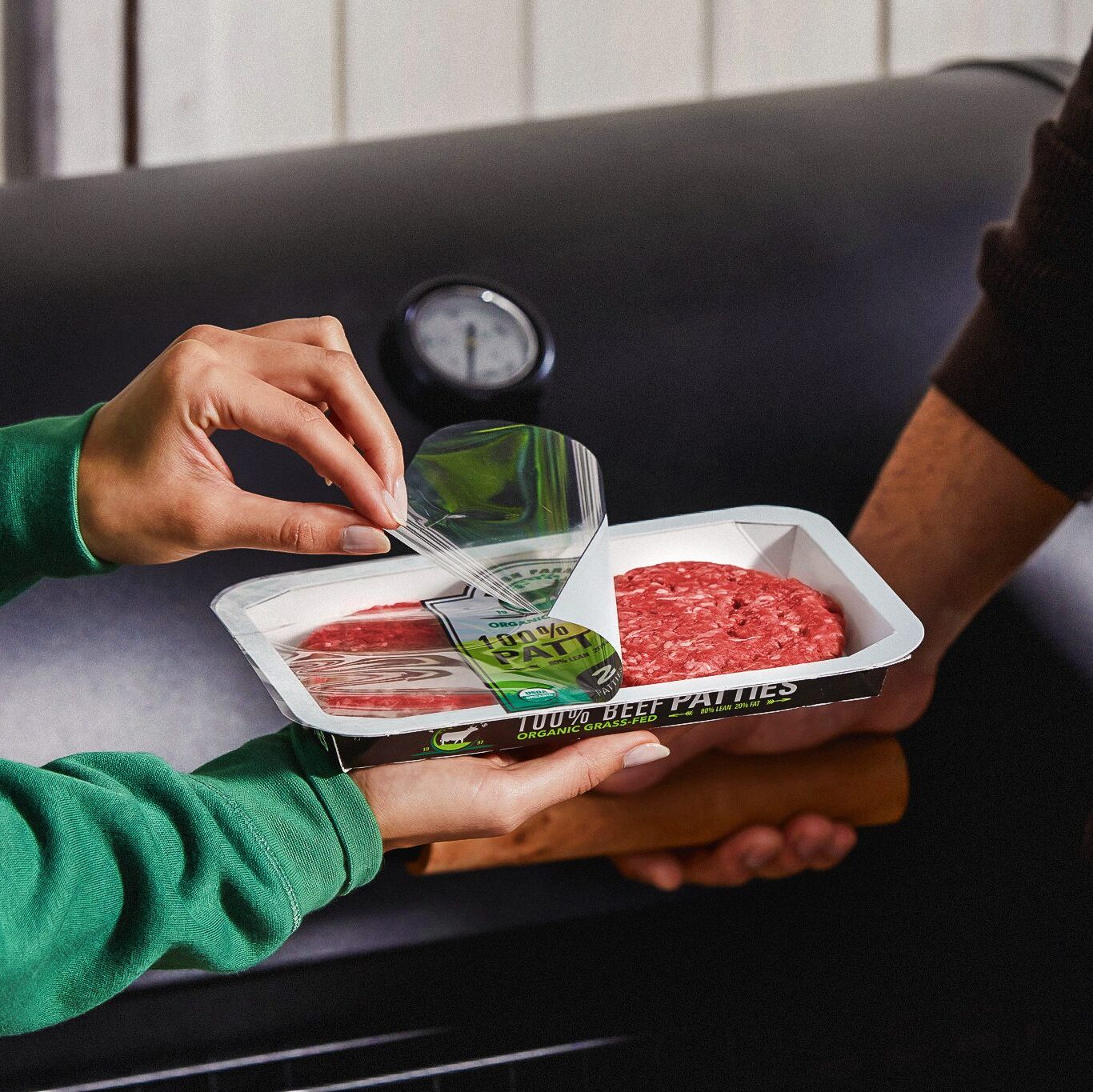
Transform frozen dough, breaded proteins, paninis, and pot pies with target-heated susceptor lamination.
Recognized Excellence in Fiber-Based Packaging & Engineering
As a global innovator listed on the NYSE (GPK), Graphic Packaging International provides fully integrated manufacturing—from paperboard mills and thermal susceptor conversion to high-speed packaging machinery.

Understanding Microwave Susceptor Packaging Performance
Microwave susceptor packaging converts 2450 MHz electromagnetic energy directly into conductive radiant heat, reaching surface temperatures up to 425°F (220°C) to brown, crisp, and retain moisture balance in convenience foods.
Converting Microwave Waves to Conductive Heat
Standard microwave cooking heats food through dipole rotation of water molecules, often resulting in soggy crusts, chewy doughs, and uneven moisture distribution. Microwave susceptors solve this fundamental culinary issue by placing a micro-thin, vacuum-metallized layer of aluminum (typically 0.18 to 0.28 optical density) on a heat-tolerant PET substrate, laminated to virgin or recycled paperboard.
Under dielectric microwave radiation, the electrical resistance of the micro-thin aluminum film rapidly generates localized, intense thermal energy. This energy drives out surface moisture, triggers Maillard browning, and crisps the outer layer of doughs, batters, and breading while keeping internal fillings moist.
- Optical Density Precision: Strict metal deposition tolerances prevent electrical arcing while ensuring optimal thermal ramp-up rates.
- Substrate Stability: Dimensional paperboard backings prevent package warping under high thermal exposure.
- Maillard Reaction Catalyst: Recreates oven-style Maillard browning in 90 to 180 seconds inside standard residential and commercial microwaves.
Custom Engineered Microwave Susceptor Formats
From crisping sleeves and demetallized patterned packaging to barrier-lined trays, Graphic Packaging International delivers targeted thermal solutions across convenience categories.
Susceptor Sleeves & Pouches
Engineered for handheld savory products such as pocket sandwiches, hot rolls, burritos, and paninis. Provides 360-degree surface crisping with integrated steam-venting channels.
Request Specs & SamplesPatterned & Demetallized Cartons
Selective demetallization technology removes aluminum from specific areas, directing heat exclusively to crust zones while protecting sensitive toppings, cheese, or sauces from overcooking.
Discuss DemetallizationPaperSeal® Susceptor Trays
Barrier-lined paperboard trays integrated with susceptor base panels. Replaces rigid CPET and PP plastic trays for frozen pizzas, pot pies, fries, and breaded poultry.
Explore Tray FormatsPopcorn & High-Temp Active Bags
Multi-wall active microwave bags formulated for rapid thermal expansion, fat barrier resistance, and consistent kernel popping efficiency without film delamination.
Inquire for Popcorn BagsPFAS-Free Fiber Susceptor Boards
Advanced paperboard coated with proprietary fluorochemical-free oil and grease resistance (OGR) systems, complying with California AB 1200 and European REACH safety standards.
Get PFAS-Free Data SheetDual-Ovenable Microwave Packaging
Hybrid paperboard structures capable of transferring directly from freezer to microwave or conventional toaster oven (up to 400°F / 204°C) without physical degradation.
Consult Packaging EngineerFuture Sourcing & Procurement Trends in Microwave Packaging
Global procurement leaders are adapting to shifting regulatory landscapes, consumer convenience demands, and strict ESG requirements. Here is how microwave susceptor technology is evolving through 2030.
1. Transition to Fluorochemical-Free & PFAS-Free Grease Barriers
Global regulatory agencies, including the US FDA, European Chemicals Agency (ECHA), and individual state legislatures, are systematically banning per- and polyfluoroalkyl substances (PFAS). In response, leading food brands are reformulating active microwave packaging to eliminate legacy fluorinated treatments.
Graphic Packaging International leads this transition with bio-based coatings and water-borne dispersion barriers that deliver high oil and grease resistance (Cobb and Kit values) during intense high-temperature microwave susceptor cycles without compromising consumer safety.
- Zero added PFAS or halogenated compounds
- Compliant with US FDA 21 CFR 176.170 & EU Regulation (EC) 1935/2004
- High thermal stability under intense fat release
2. Plastic Replacement via Recyclable Fiber-Based Susceptor Cartons
Consumer goods companies are replacing unrecyclable dark CPET trays and multi-layer plastic structures with high-fiber paperboard trays. Combining susceptor functionality directly into folding carton floors and tray walls eliminates the need for auxiliary plastic crisping inserts or secondary packaging elements.
This design approach reduces total packaging weight, lowers carbon footprints during transit, and aligns with corporate targets for circular packaging and Extended Producer Responsibility (EPR) fee reductions.
- Up to 80-90% reduction in plastic content compared to rigid CPET
- Designed for standard paperboard recycling collection streams
- Enhanced shelf appeal with high-definition lithographic exterior printing
3. High-Speed Machinery Compatibility & Packaging Optimization
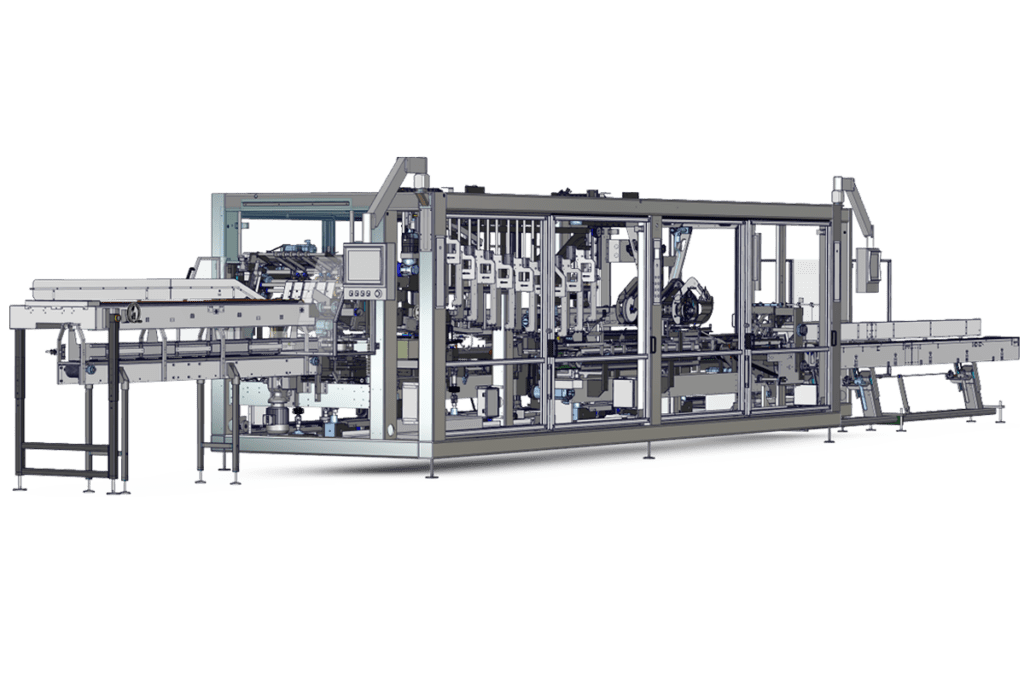
Modern food manufacturing lines require packaging formats that run seamlessly on high-speed automated carton formers, erectors, and sealers. Inconsistent susceptor film lamination, board curl, or improper scoring can cause line jams and costly downtime.
Graphic Packaging solves this operational risk through integrated machine-carton engineering. Our susceptor cartons and sleeves are calibrated specifically for high-speed automated equipment, guaranteeing tight dimensional tolerances, consistent heat-seal flange integrity, and reliable line performance exceeding 250 units per minute.
- Single-source accountability for cartons, susceptors, and machinery
- Flat carton blank consistency prevents line jamming
- Optimized score lines and creasing for smooth automated folding
Frequently Asked Questions by Global Buyers & Packaging Engineers
Answers to key technical, safety, regulatory, and commercial queries raised by procurement managers and packaging developers.
What is microwave susceptor packaging and how does it convert electromagnetic energy into radiant heat?
How does Graphic Packaging control optical density to prevent arcing and package burning?
Are Graphic Packaging susceptors fully compliant with global PFAS-free mandates and food safety laws?
What is patterned demetallization and why is it beneficial for complex ready-to-eat meals?
Can paperboard microwave susceptor packaging be recycled in conventional recycling streams?
How do varying consumer microwave wattages (600W to 1200W) affect susceptor design?
What grease barrier resistance options (Kit / Cobb values) are available for fat-heavy microwave foods?
Does Graphic Packaging supply both susceptor packaging materials and high-speed packaging machinery?
What lead times and minimum order quantities (MOQs) apply for custom microwave susceptor packaging projects?
How do international buyers initiate a custom microwave susceptor development project with Graphic Packaging?
Packaging Machinery Systems Engineered for Active Susceptors
Combining carton structural design with machinery engineering eliminates performance mismatches, protects line efficiency, and ensures reliable sealing at scale.
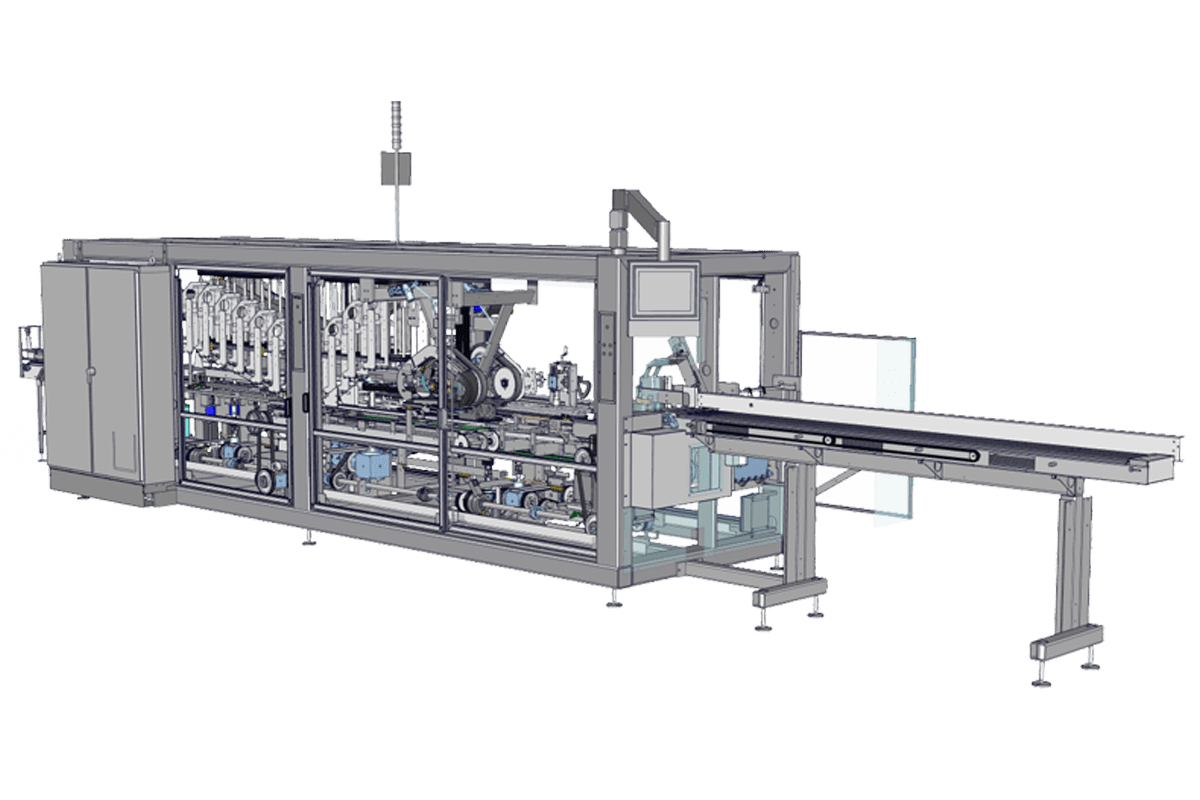
Carton Erecting & Forming
Automated forming systems for susceptor crisping sleeves and trays.
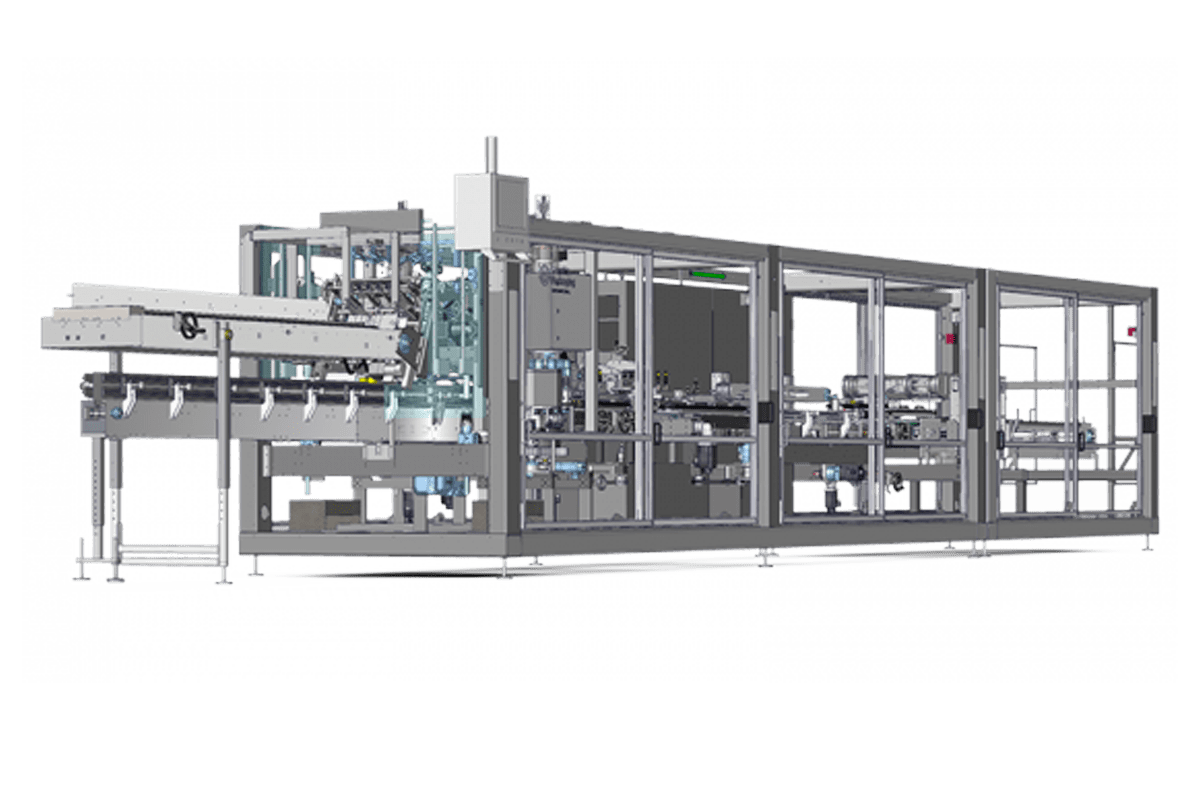
Sleeve Wrapping Systems
High-speed application of susceptor sleeves around frozen snacks.
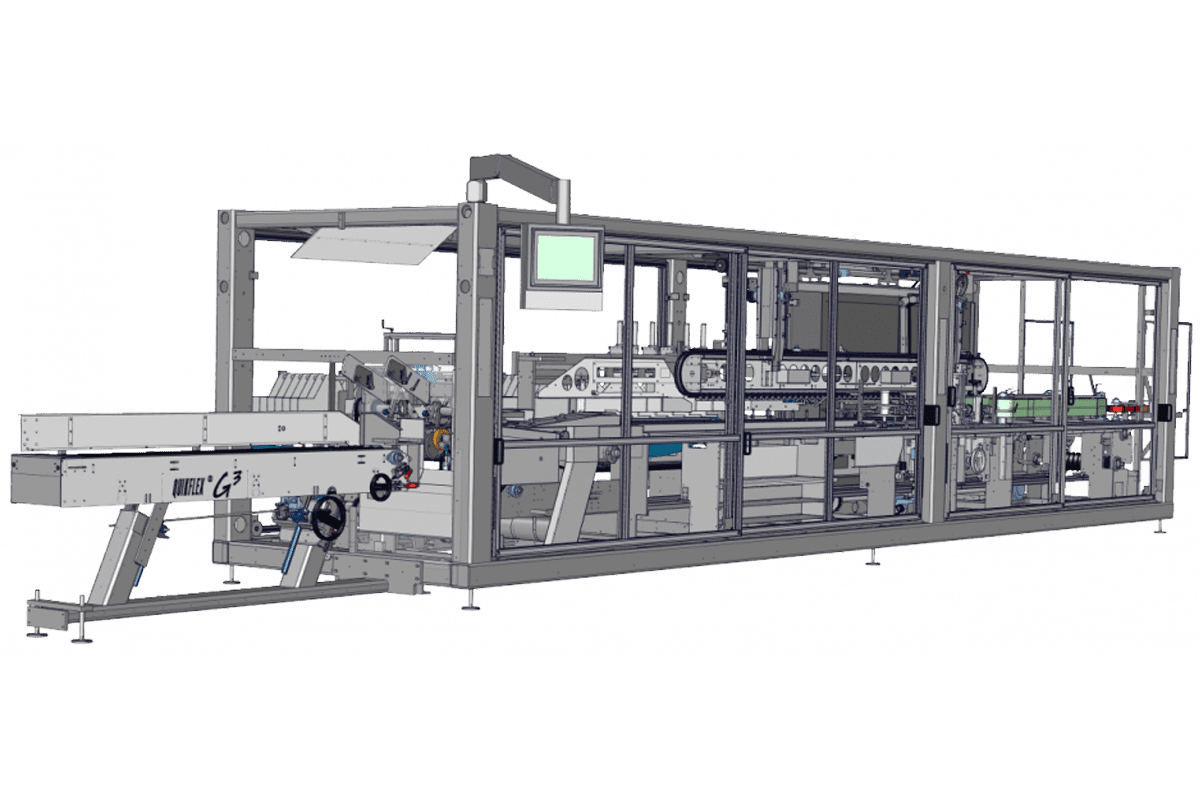
Enclosed Cartoning Machinery
Versatile systems for fully enclosed microwave meal cartons.
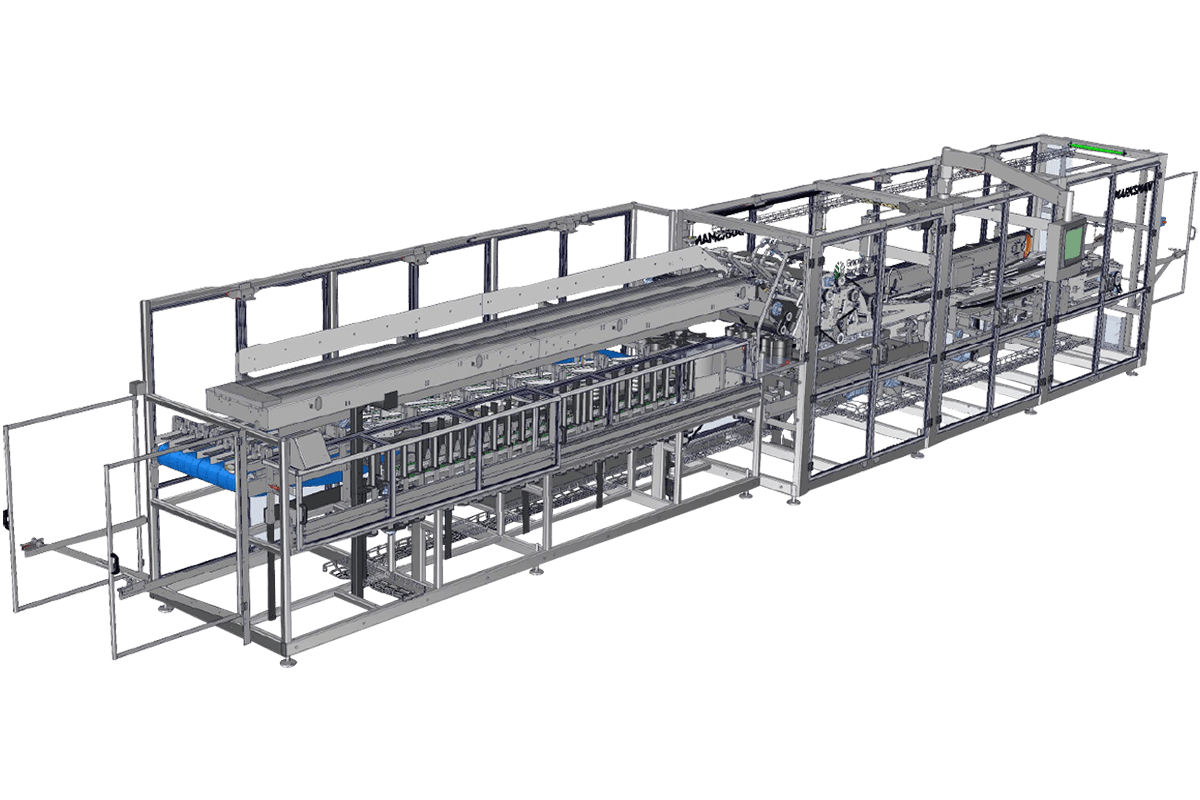
Tray Sealing & Lidding Systems
Precision heat-sealing for barrier paperboard susceptor trays.
Why Global Food Brands Trust Graphic Packaging International
Global food manufacturers require more than a material converter—they demand a vertically integrated supply partner capable of supporting global volume requirements with financial stability, audited compliance, and innovative thermal engineering.
Listed on the New York Stock Exchange (NYSE: GPK), Graphic Packaging International operates dozens of paperboard mills, converting facilities, and machinery manufacturing plants across North America, Europe, and Asia-Pacific. We provide fully documented sustainability metrics, transparent supply chains, and dedicated R&D thermal laboratories.
Our Custom Microwave Susceptor Development Process
A de-risked, five-step technical workflow that takes your food packaging project from concept and thermal simulation to high-speed commercial production.
1. Culinary & Packaging Audit
We analyze your food matrix, moisture levels, fat content, cooking instructions, and target microwave wattage.
2. Thermal Simulation & Design
Our engineers perform finite element thermal modeling and optical density selection to optimize heating profiles.
3. PFAS-Free Substrate Selection
We select the optimal paperboard caliper, grease barrier coating, and pattern demetallization layout.
4. Prototype & Lab Testing
Physical sample prototypes undergo rigorous thermal testing, food browning validation, and sensory analysis.
5. Line Validation & Rollout
We conduct automated packaging line trials and ramp up full-scale commercial manufacturing with local supply assurance.
Ready to Elevate Your Microwave Food Packaging Performance?
Connect with our senior packaging engineers and procurement specialists to request microwave susceptor samples, technical datasheets, optical density calibrations, or machinery audits.
Graphic Packaging International, LLC is an Equal Opportunity Employer committed to workplace diversity, equity, accessibility, and environmental sustainability. All inquiries are evaluated by regional technical packaging teams.