
0%

Choosing Foodservice cold cups and lids is an operational decision, not a packaging afterthought. A leaking lid can stain a delivery bag, slow a queue, and damage customer trust within seconds. The National Restaurant Association’s 2024 State of the Restaurant Industry report projected U.S. restaurant sales above $1 trillion. That scale makes small packaging failures expensive. Every cup matters.

Market reports also show why buyers face confusing choices. Grand View Research’s Disposable Cups Market analysis reports continued global growth through 2030, driven partly by takeaway drinks and convenience-focused consumption. However, market estimates differ by material, region, and product definition. This limitation deserves attention. A broad disposable-cup statistic cannot automatically predict demand for your iced coffee program. Buyers should compare actual order volumes, drink temperatures, ice levels, and delivery distances.

A practical review starts with the drink. Match cup volume to portion size, then test the lid with a full cup, heavy ice, and a ten-minute carry. Check rim fit, straw opening, stackability, condensation, and sleeve compatibility. Paperboard, PET, polypropylene, and compostable formats can perform differently under pressure. Supplier claims should be supported by food-contact documentation, quality records, and independent testing where appropriate. The Foodservice Packaging Institute emphasizes performance, responsible sourcing, and end-of-life considerations across foodservice packaging decisions. Cost still matters, but the cheapest option may create higher waste and replacement expenses. I would not treat sustainability labels as proof of better performance. Ask harder questions. A strong purchasing decision balances protection, customer experience, operational speed, and credible evidence.
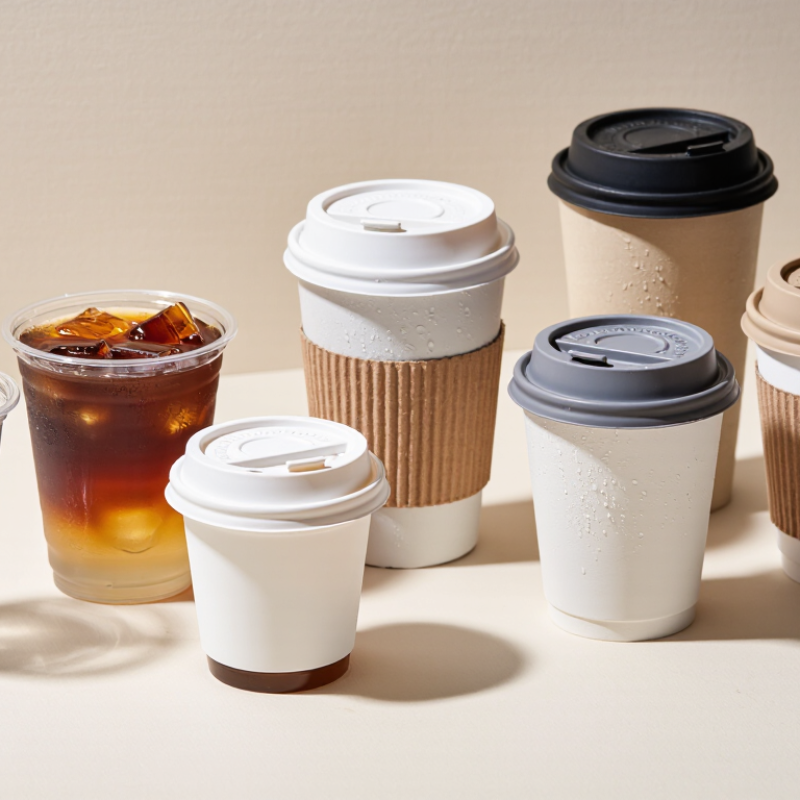
How to Choose Foodservice Cold Cups and Lids for Business?

Identify Your Business’s Cold Cup Needs

Before choosing cold cups, map how your business actually serves drinks. A café selling iced coffee needs different cups from a juice bar serving large, fruit-filled beverages. Record your busiest hour, average drink volume, ice level, and takeaway percentage. These details reveal whether you need 12-ounce, 16-ounce, or larger capacities.

Watch the drink itself. Thick smoothies may need wider openings and stronger lids. Carbonated drinks require secure closures and enough headspace. For drinks with ice, a cup should resist softening during a typical service period. Clear material can improve product visibility, but appearance alone should not decide the purchase. Check rim strength, lid fit, leak resistance, and stacking stability with filled cups.

Test before ordering in bulk. Fill sample cups with your coldest and heaviest drinks, then carry them across the service area. Leave some in a refrigerator and others on a busy counter. My first estimate is often wrong when real ice, condensation, and rushed handling are involved. Staff feedback matters too. A lid that feels difficult during a morning rush may slow service and frustrate customers. Consider storage space, delivery frequency, disposal requirements, and the temperature range listed by the supplier. The cheapest option may create more waste if cups split or lids fail. Small trials prevent expensive assumptions.

Compare Cup Materials, Sizes, and Insulation Features

Choosing cold cups starts with the drink, service speed, and customer handling. PET cups show color clearly and suit iced coffee, juice, and layered drinks. Polypropylene cups handle repeated cold use and resist cracking at busy counters. Paper-based cups feel lighter but need a suitable lining. Check food-contact documents, temperature limits, and recycling claims before ordering. “Eco-friendly” alone proves little. I have seen attractive cups fail when ice pressure splits thin walls.

Match the size to the recipe. A 12-ounce cup may suit standard iced coffee, while 16 or 20 ounces need space for ice and toppings. Measure the fill line, not only the advertised volume. Flat lids work for sealed drinks. Dome lids leave room for whipped toppings. Choose straw slots that hold straws firmly without tearing. A loose lid creates spills, slows staff, and damages trust. Test lids on filled cups during an actual rush. Laboratory checks can miss that awkward moment.

Insulation changes comfort and condensation. Double-wall plastic cups reduce hand warmth transfer, while sleeves add grip around single-wall paper cups. Foam insulation performs well, but disposal requirements may limit its usefulness. For delivery, pair a rigid cup with a tight-fitting lid. Test it after thirty minutes. For takeaway counters, prioritize stackability and quick lid application. I would not overpay for insulation when drinks leave within minutes. That assumption can be wrong during summer queues. Record leakage, temperature, and breakage across several shifts before placing a large order.

Choose Lids Based on Beverage Type and Customer Use

Choosing a lid starts with the beverage, not the cup alone. The National Restaurant Association’s 2024 industry report found that 47% of adults pick up takeout weekly. That makes spill control a daily business concern. For iced coffee, smoothies, and milk tea, use a tight flat lid with a straw opening. A raised dome lid suits whipped cream or thick toppings. It prevents pressure from crushing the drink. However, oversized domes can waste storage space and packaging material.

Hot drinks need different protection. Select a vented sip lid that reduces splashing while allowing steam to escape. For delivery, test the lid with a full cup, not an empty sample. Turn it sideways. Shake it gently. Small leaks become major complaints in a vehicle. The FDA Food Code 2022 emphasizes protecting food-contact surfaces from contamination, so clean lid storage and secure closure both matter. A perfect fit is still not enough.

Customer behavior should guide the final choice. A commuter may prefer one-handed sipping, while a family customer may need a resealable option. For office orders, stackable lids can improve handling and reduce spills. According to the National Restaurant Association, takeout and delivery remain essential for many consumers, but packaging decisions still need local testing. Some lids fit tightly yet feel awkward. Others look convenient but collapse under pressure. Review real orders, temperatures, and complaints before standardizing. Industry data helps, but your service counter tells the truth.

How to Choose Foodservice Cold Cups and Lids for Business? - Choose Lids Based on Beverage Type and Customer Use

Selection guidance for common cold beverages in cafés, restaurants, catering operations, and takeaway service.
Beverage Type Typical Serving Format Recommended Lid Style Opening or Feature Why It Fits Customer-Use Considerations
Water and still beverages Small to large cold cups, usually served for dine-in or takeaway Flat lid with a drinking opening Small sip opening; optional straw slot Provides basic splash protection while allowing direct drinking or straw use Suitable for quick service, office delivery, and customers carrying drinks between locations
Carbonated soft drinks Medium to large cold cups with ice Flat straw-slot lid or raised straw lid Cross-cut or round straw opening with a secure cup fit Accommodates a straw and helps reduce spills during transport Choose a lid that leaves enough clearance for ice and does not interfere with the straw
Iced coffee and cold brew Medium to large cups, commonly with ice, milk, or syrup Flat lid with straw slot or direct-drink opening Wide enough for a compatible straw; optional sip opening for strawless service Supports beverages with ice and allows comfortable drinking of thicker liquid mixtures A secure fit is important because condensation can make the cup slippery during commuting
Iced tea and flavored tea Medium to large cups, often served with ice and lemon or fruit pieces Flat lid with straw slot Standard straw opening with optional splash-resistant design Works well for ice-filled drinks and provides an easy takeaway experience For drinks containing fruit pieces, select a straw and opening large enough to prevent blockage
Smoothies and blended drinks Large cold cups with thick beverages and toppings Raised dome lid or wide-opening specialty lid Large straw opening with extra headspace for whipped cream or toppings Provides room for toppings and supports larger-diameter straws used with thick drinks Check the lid height and opening size against the topping level and straw diameter
Milkshakes and dessert beverages Large cups with very thick beverages and optional toppings High-profile dome lid Extra-wide straw opening and additional vertical clearance Reduces contact between toppings and the lid while allowing thick beverages to be consumed Use a rigid lid with a strong rim seal because heavy toppings can increase pressure on the lid
Juice and fruit-based drinks Small to medium cups, sometimes containing pulp Flat direct-drink lid or straw-slot lid Sip opening or straw opening selected according to pulp size Supports both fast consumption and controlled drinking during takeaway service Avoid very narrow openings when pulp, seeds, or fruit pieces are present
Boba and drinks with inclusions Medium to large cups containing tapioca pearls, jelly, or fruit pieces Sealing film or wide-opening lid designed for large straws Large straw puncture or wide opening Allows solid inclusions to pass through while keeping the beverage contained The opening must match the straw diameter; narrow openings can restrict pearls or jelly
Lemonade and sparkling specialty drinks Medium to large cups with ice, citrus, or herbs Secure flat lid with straw slot or covered sip opening Splash-reducing opening and firm perimeter seal Helps contain liquid and garnish during handling and delivery Test the lid with ice and garnish because floating ingredients can obstruct small openings
Dine-in cold beverages Any cold cup size, typically consumed at the service location Open-top lid or no lid when permitted by the service format Optional straw slot; priority on presentation and easy access Reduces unnecessary packaging when spill protection is not required Confirm local food-safety rules and customer expectations before serving without a lid
Delivery and extended transport Any cold beverage transported in a bag, carrier, or vehicle Tight-fitting, splash-resistant lid with a compatible carrier Covered sip opening or secure straw slot Reduces leakage risk caused by movement, tilting, and temperature-related condensation Conduct a transport test with the filled cup, ice, toppings, and packaging used in normal operations
Key purchasing checks: Match the lid to the cup rim diameter and profile, verify compatibility with the chosen cup material, test the seal with ice and condensation, confirm straw and opening dimensions, and review applicable food-contact and recycling requirements in the markets where the products will be used.

Evaluate Compatibility, Sustainability, and Operating Costs

How to Choose Foodservice Cold Cups and Lids for Business?

Evaluate Compatibility, Sustainability, and Operating Costs

Choosing cold cups involves more than appearance. Start by matching the cup size, rim diameter, and lid opening. A secure fit prevents leaks during delivery and busy counter service. Test the cup with ice, fruit pieces, and thick beverages before ordering in bulk. Some lids fit tightly but crack when stacked. That mistake becomes expensive quickly.

Sustainability needs practical checking. Review the cup and lid materials separately, because they may require different disposal systems. Ask suppliers for clear material specifications and credible environmental documentation. A recyclable cup is not automatically recyclable in every local facility. Measure actual waste, too. Lightweight materials can reduce shipping emissions, but they may collapse in customers’ hands. I have found that customer experience sometimes reveals weaknesses that product sheets miss.

Tips: Keep a sample set near the drink station. Test sealing, stacking, condensation, and straw access during peak hours. Compare cost per serving, not cost per case. Include lids, sleeves, storage space, damaged units, and disposal fees. Track weekly usage for several months before changing formats. A cheaper cup may require more replacements. That is easy to overlook. Ask staff for feedback, and record complaints by drink type. Small details, such as a lid that pops off in a car cup holder, can affect repeat purchases.

Select Reliable Foodservice Cups and Lids for Your Business

Reliable foodservice cups and lids protect more than a drink. They support service speed, customer trust, and daily operating costs. Choose materials suited to the beverage, temperature, and serving time. Clear cups help customers see iced drinks, while opaque options can better hide condensation or color changes.

I test cups with real menu items, not water alone. Fill them with hot coffee, blended drinks, and carbonated beverages. Check the rim after ten minutes. A secure lid should snap on evenly without excessive pressure. It should also resist spills when staff carry a full tray. Small details matter. A loose lid can damage uniforms, tables, and your reputation.

Ask suppliers for food-contact documentation, material details, and batch consistency records. Review cup thickness, stacking performance, and storage requirements before ordering large quantities. Matching the lid diameter is essential, but matching the drinking opening to customer habits matters too. Some openings suit straws; others work better for direct sipping.

Test samples first.

I once approved a cup because it felt sturdy in the hand. During a busy shift, its base flexed under a large iced drink. That mistake taught me to test products under working conditions. A reliable supplier should answer questions clearly, provide repeatable samples, and acknowledge limitations instead of promising perfection. Even a good cup may need adjustment for your menu, equipment, or service style.

How to Choose Foodservice Cold Cups and Lids for Business?

Select cup capacity according to serving size, then match the lid to the cup rim diameter and beverage format. The chart shows common nominal cold-cup sizes with exact metric conversions based on 1 US fluid ounce = 29.5735 mL.

Selection guide: Flat lids are generally suitable for standard cold drinks, while straw-slot lids support takeaway beverages. Dome lids provide additional headspace for whipped toppings or blended drinks. Always verify rim dimensions and lid compatibility before purchasing in volume.

FAQS

How can a business identify the right cold cup size?

Record your busiest hour, average drink volume, ice level, and takeaway percentage. A 12-ounce cup may suit iced coffee. Larger drinks need more capacity. Real orders reveal more than guesswork.

Which cup features matter for thick smoothies?

Choose a wider opening and a stronger lid. Thick drinks may press against narrow openings. Test the filled cup with ice and toppings. My first estimate was wrong.

How should businesses test cups before ordering in bulk?

Fill samples with cold, heavy drinks. Carry them across the service area. Leave some in a refrigerator and others on a busy counter. Check condensation, rim strength, and base flexibility. Test samples first.

Which lid suits iced coffee, smoothies, and milk tea?

Use a tight flat lid with a straw opening. A raised dome lid suits whipped cream and thick toppings. Large domes may waste storage space. The best-looking lid is not always practical.

What should businesses check when testing lids for delivery?

Test a full cup, not an empty sample. Turn it sideways and shake it gently. Look for leaks around the rim and drinking opening. A small leak becomes a serious complaint in a vehicle.

How do customer habits affect lid selection?

Commuters may prefer one-handed sipping. Families may need resealable options. Office orders benefit from stackable lids. Some lids fit tightly but feel awkward. The counter decides.

What information should businesses request from suppliers?

Ask for food-contact documentation, material details, and batch consistency records. Review cup thickness, stacking performance, storage needs, and temperature limits. Check whether repeated samples remain consistent. Promises alone are not enough.

How can businesses reduce waste and operating costs?

Compare cup strength, lid performance, storage space, and delivery frequency. The cheapest cup may split during service. Failed lids can waste drinks and packaging. Small trials prevent expensive assumptions. Not every saving is real.

Conclusion

Choosing the right Foodservice cold cups and lids begins with understanding your business’s beverage menu, service style, order volume, and customer expectations. Consider the types of drinks you serve, from water and soft drinks to iced coffee, smoothies, and specialty beverages. Compare materials, capacities, durability, clarity, insulation, and comfort to find cups that support both presentation and reliable performance. Different sizes may be needed for dine-in, takeaway, catering, or delivery orders.

Lids should match the beverage and how customers use it, whether they need a secure sipping opening, a straw-friendly design, or extra spill protection. Before making a decision, check cup-and-lid compatibility, storage requirements, sustainability goals, and total operating costs, including waste, replacement, and purchasing efficiency. A dependable supplier should provide consistent quality, suitable product options, and responsive service. By balancing functionality, convenience, environmental considerations, and budget, your business can select cold cups and lids that improve service while delivering a better customer experience.

Oliver

Oliver

Oliver is a professional marketing specialist with a strong understanding of the company’s products, customers, and the needs of the markets it serves. He regularly contributes expert articles to the company website, making complex product information clear, useful, and approachable. Through......