
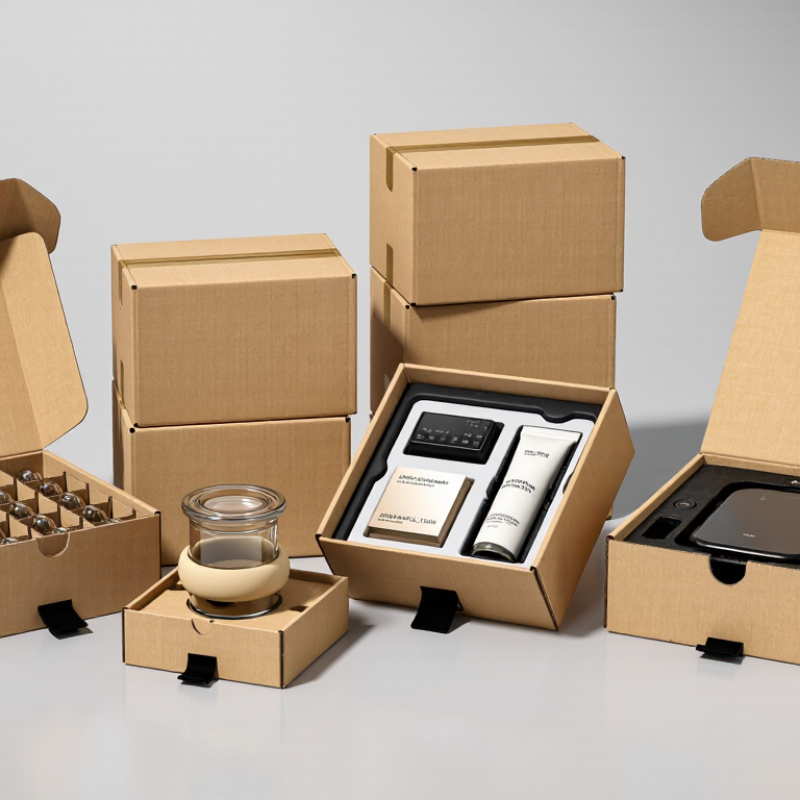
Heavyweight folding cartons are designed for products that need more than a light paperboard sleeve. They use thicker, sturdier board to help protect items during handling, stacking, and transport. Think of a premium skincare set in a firm carton, a glass jar held in a fitted insert, or a boxed appliance accessory that must arrive without crushed corners. The right construction can improve both protection and shelf presentation.
As packaging specialist [Expert Name] puts it, “A carton should protect the product, support its presentation, and suit the way it moves through the supply chain.” This is a proposed quotation, not a verified statement from a named expert; replace it with an approved, source-checked quote before publication. That distinction matters. A credible packaging decision depends on product weight, fragility, dimensions, print requirements, and the conditions expected during shipping and storage.
Heavyweight folding cartons can serve cosmetics, electronics, specialty foods, gifts, and other consumer goods. Board grade, carton structure, coatings, and inserts all affect performance and cost. A thicker carton is not automatically the better choice. Excess material can add weight, increase expense, and complicate storage, while a poor fit may still let a product shift inside. Test samples under realistic packing and transit conditions. Pay attention to seams, corners, closure strength, and how easily staff can assemble each carton. There is no universal specification. This guide explains what heavyweight folding cartons are used for, where they add value, and what to check before choosing one.
What Are Heavyweight Folding Cartons Used For?
What Defines a Heavyweight Folding Carton?
A heavyweight folding carton is a paperboard package built for greater stiffness and protection than a lightweight retail carton. There is no universal weight cutoff. “Heavyweight” describes performance, not one fixed board grade. Converters assess board grammage and thickness, then consider carton size, folds, and expected contents. ISO 536 measures grammage; ISO 534 measures paper and board thickness.
The board must still crease cleanly and fold without cracking. A sample should hold its shape when filled, yet travel flat before assembly. That balance matters. A thick board alone does not guarantee strength: panel geometry, crease placement, and glued seams also affect performance. This detail is easy to overlook.
These cartons suit products that need a more substantial pack, such as gift sets, premium food assortments, and small appliances. Eurostat’s 2022 packaging-waste statistics report an 83.2% recycling rate for paper and cardboard packaging in the EU. That figure covers the material category, not heavyweight cartons alone. Board coatings, inks, and local collection systems can affect recyclability, so claims should be checked for the actual pack. Sometimes a lighter, well-designed carton performs better.
Board thickness is one practical way to compare carton grades. Heavyweight folding cartons are commonly made from thicker paperboard than light-duty cartons, but there is no single industry-wide cutoff.
Approximate caliper ranges are shown in millimeters; actual specifications vary by material, product, and supplier. Heavyweight cartons are often used for premium cosmetics, electronics, gift sets, and multipacks where added stiffness and protection are useful.
Heavyweight folding cartons use thicker paperboard to protect products that need a stiffer, stackable package. Common examples include frozen meals, multipacks of dry foods, beverage carriers, and larger personal-care or cosmetic sets. Their broad panels provide room for product details, while locking tabs and reinforced corners help cartons hold their shape on shelves.
They also package small appliances, electronic accessories, and bundled household goods, where the carton may need to support the product and a paperboard insert. Some medical-device kits use sturdy cartons too, though the right structure depends on the contents and packing process. Eurostat’s 2024 packaging-waste release reports that paper and cardboard represented 40.8% of EU packaging waste in 2022. That figure covers many paper packaging types, not heavyweight folding cartons alone, but it shows how widely paper-based packs are used. Still, thicker board is not automatically better; excess material can add weight without solving the real protection problem.
Tips: Match board strength to product weight, stacking pressure, and moisture exposure. Test a packed carton on the actual distribution route. A design can look strong and still buckle at a damp corner.
| Product Category | Common Products | Typical Carton Style | Why Heavyweight Board Is Used | Common Packaging Considerations |
|---|---|---|---|---|
| Consumer electronics | Small devices, chargers, headphones, accessories, and component kits | Reverse-tuck or straight-tuck carton; sometimes with a fitted paperboard insert | Provides a sturdier outer pack and helps the carton retain its shape during handling and display. | Use inserts or dividers to limit movement; add protective cushioning when the product is fragile. |
| Personal care and cosmetics | Skincare sets, glass bottles, grooming products, and boxed beauty tools | Shoulder, tuck-end, or sleeve-style carton | Supports premium presentation and can provide extra rigidity for heavier containers or multi-piece sets. | Consider product fit, surface finish, opening style, and whether a divider is needed for glass packaging. |
| Pharmaceuticals and health products | Over-the-counter medicine packs, medical devices, and health-care kits | Tuck-end carton, often designed to accommodate an inner package or leaflet | Creates a firm secondary pack that can help protect the contents and provide space for required product information. | Carton design and labeling should suit the product and applicable regulatory requirements; tamper-evident features may be appropriate. |
| Food and confectionery | Chocolate assortments, bakery gift boxes, dry mixes, and specialty food packs | Tray-and-sleeve, tuck-end carton, or multi-compartment box | Offers added stiffness for heavier contents, gift packs, and cartons that need to hold their shape on shelves. | Food-contact suitability depends on the material and pack construction; direct food contact may require a suitable liner or inner wrapper. |
| Beverages and liquid products | Multipacks of small bottles, beverage concentrates, and boxed drink sets | Partitioned carton, carrier-style carton, or reinforced tuck-end pack | Helps support the combined weight of multiple containers and can separate items to reduce contact between them. | Design partitions and the base for the filled-pack weight; folding cartons are not automatically leakproof or moisture-resistant. |
| Household and cleaning products | Replacement parts, cleaning accessories, hardware kits, and compact tools | Seal-end or tuck-end carton with internal dividers where needed | Provides a more rigid pack for dense items and helps prevent panels from buckling during storage and retail handling. | Check carton strength against product weight, sharp edges, and the expected distribution and storage conditions. |
| Games, toys, and hobby products | Board games, model kits, craft sets, and multi-piece toys | Lid-and-base style, tray-and-sleeve, or large tuck carton | Helps maintain a squared shape and supports larger panels, heavier contents, and organized interior components. | Use inserts or compartments to keep small parts organized and reduce shifting inside the carton. |
Note: “Heavyweight” does not have one universal board-thickness definition. The appropriate paperboard grade depends on carton dimensions, product weight, pack design, and handling conditions.
Heavyweight folding cartons use thicker paperboard to create a stiffer shell around a product. That rigidity helps limit bending, surface scuffs, and light compression during routine handling. Folded edges and secure closures also help keep items from shifting when cartons are lifted or stacked. A snug fit matters.
Inside, dividers or fitted inserts can separate multiple items and reduce movement. For example, a carton carrying glass jars may use shaped partitions to keep them from knocking together. The right structure depends on the product’s weight, shape, and sensitivity. Extra board alone cannot prevent every impact.
During shipping, cartons may face vibration, pressure from stacked parcels, and repeated transfers between vehicles or sorting areas. Well-designed panels distribute some of that pressure across the package, while firm corners help the carton keep its shape. Still, a folding carton is not a substitute for cushioning when a product is especially fragile. It can also weaken if exposed to moisture or overloaded. Practical testing with the actual product and shipping conditions can reveal weak points, though packaging decisions do not always get that level of testing. A crushed corner is a useful warning.
Heavyweight folding cartons work best when their structure matches the product’s weight, shape, and handling needs. Board thickness matters, but it is not the only factor. A well-positioned crease helps panels fold cleanly, while grain direction can affect stiffness and folding performance. For a dense item, reinforced corners and a secure base can reduce bulging during handling. Small details matter.
Closures should suit how the carton will be packed and opened. Tuck flaps are convenient for many retail packages, while lock-style bases can provide added support. Custom inserts help keep fragile or unusually shaped products from shifting; dividers can separate multiple items. A matte or moisture-resistant coating may suit certain storage conditions, but coatings can affect recyclability and should be chosen with care. Even a strong carton can fail if the fit is too tight or the packed weight is underestimated.
Tips: Test a filled carton, not an empty sample. Check it after stacking and transport simulation, and inspect the folds for stress marks. Paperboard performance can change with humidity, so test under realistic storage conditions. One weak point is easy to miss.
Heavyweight folding cartons can protect appliances, tools, and premium food packs, but extra strength should not mean unnecessary material. Designers can match board grade and thickness to the product’s actual weight, then test corners and seams under real shipping conditions. A few grams saved per carton matter at scale. Yet a box that fails in transit may create more waste through damaged goods and replacement shipments.
Recycled fiber can lower demand for virgin pulp, where product requirements allow it. The European Paper Recycling Council’s 2023 Monitoring Report put Europe’s overall paper recycling rate at 79.3%; that figure covers paper broadly, not folding cartons alone. The US EPA’s 2018 materials report estimated that 68.2% of paper and paperboard packaging was recycled. These rates show recovery is established, but not guaranteed. There is a catch. Plastic windows, difficult coatings, and heavy ink coverage can complicate sorting or recycling at some mills. Cartons are easier to recover when components separate cleanly and coatings suit local recycling systems. Ask converters for fiber sourcing details and test the finished pack, not just its paper specification. A carton may look sustainable on paper, yet its real footprint depends on materials, transport, use, and local recovery.
Thick paperboard creates a stiffer shell that resists bending, scuffs, and light compression. Secure folds help limit movement. Not every impact.
No. Shaped inserts or dividers can keep glass jars apart, but fragile products may still need cushioning. A carton is not a padded box.
Reinforced corners, a secure base, and suitable board thickness can reduce bulging. Crease placement and paper grain also affect folding and stiffness.
Tuck flaps suit many retail packs. Lock-style bases can provide extra support. The right choice depends on weight and packing needs.
Test it with the actual product inside. Stack it, simulate transport, and inspect folds for stress marks. Empty samples can be misleading.
Yes. Paperboard may weaken in damp conditions, and coatings can change how it performs. Test cartons in realistic storage conditions.
Match board grade and thickness to the product’s real weight. Check corners and seams during shipping tests. Saving a few grams adds up.
Not always. Plastic windows, some coatings, and heavy ink coverage can complicate sorting. Local recycling options matter, too.
A matte or moisture-resistant coating may suit certain storage needs, but it can affect recyclability. The trade-off deserves a closer look.
Heavyweight folding cartons are sturdy paperboard packages designed to carry and protect products that need more support than standard cartons can provide. They are commonly used for heavier food items, beverages, household goods, personal care products, and other retail products where a strong structure and polished presentation are both important. Their reinforced construction helps resist crushing, bending, and scuffing during packing, handling, and shipping, helping products arrive in good condition.
Design features can be tailored to the product, including thicker board, secure closures, inserts, dividers, and custom shapes that limit movement and improve ease of use. Printing and surface finishes can also support clear product information and an appealing shelf appearance. Heavyweight folding cartons can be made more sustainable by using responsibly sourced paperboard, reducing excess material, and choosing designs that are easy to flatten and recycle. These choices balance protection, presentation, and efficient material use.