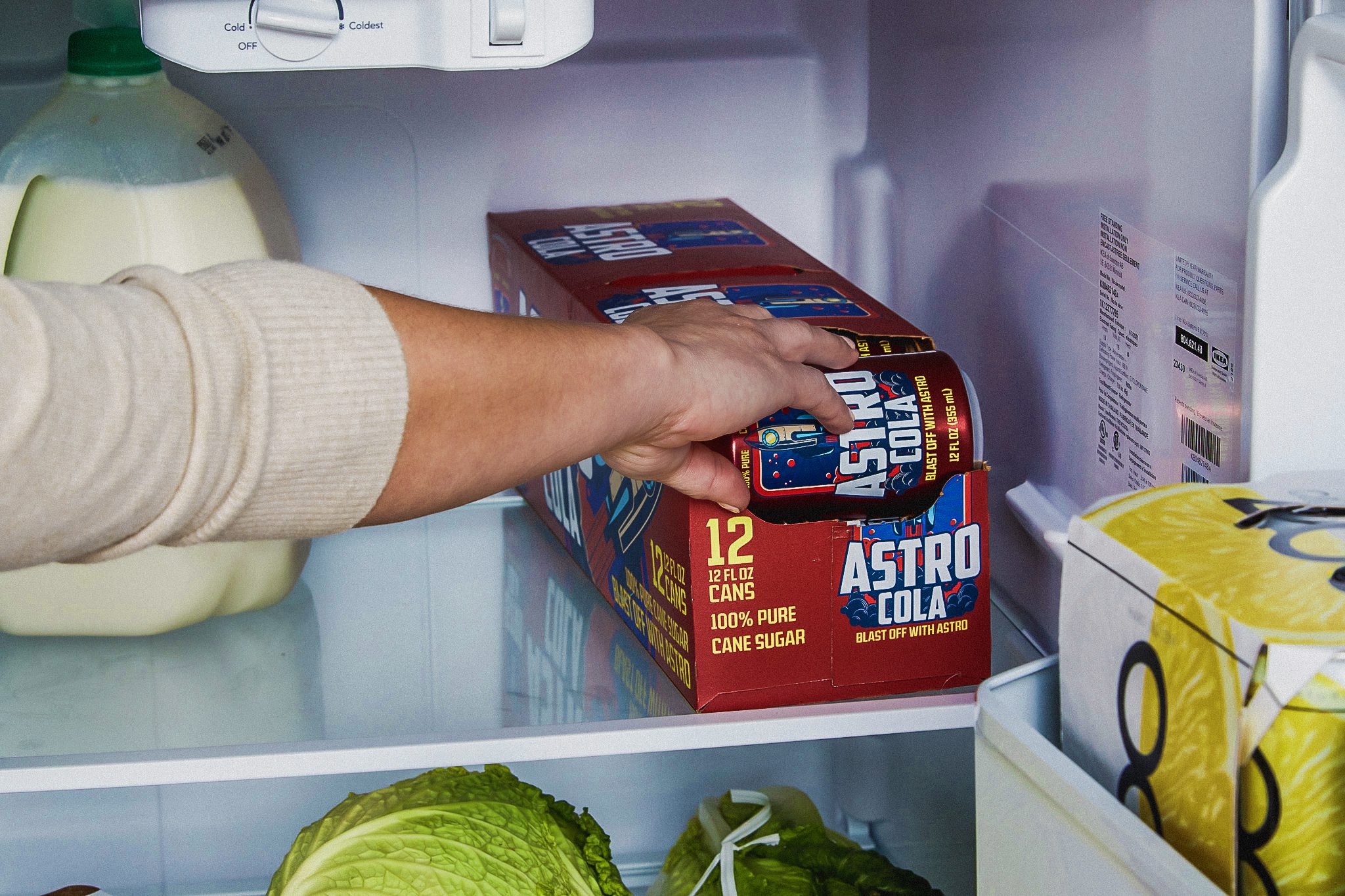


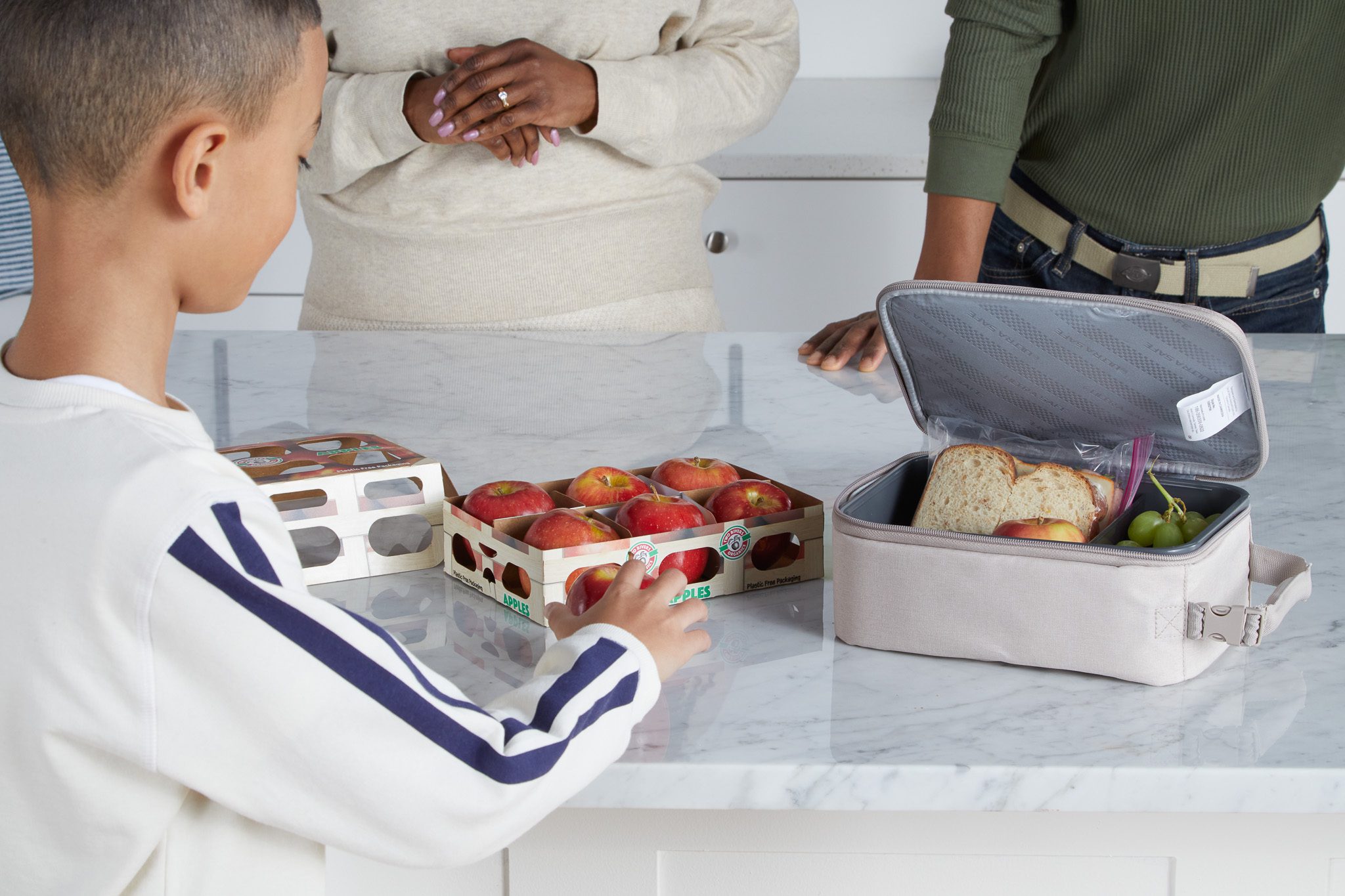
Commercial paperboard sushi trays in supermarket display refrigeration unit
Enterprise Foodservice & Retail Packaging

Next-Generation Paperboard Sushi Trays: Engineered for Leak Resistance, Shelf Integrity & Global Compliance

A technical sourcing and engineering guide for procurement leaders transitioning from plastic PS/PET containers to sustainable, high-barrier paperboard sushi packaging.

Inquire Now
Global Authority & Reliability

Recognized by Leading ESG & Business Rating Agencies

As a NYSE-listed leader (NYSE: GPK), Graphic Packaging International validates every packaging claim through third-party audits, rigorous material testing, and circular economy benchmarks.

Graphic Packaging industry awards including Fortune World's Most Admired Companies 2026, Ethisphere Most Ethical, JUST Capital, and 3BL Top Corporate Citizens
World's Most Admired CompaniesFortune, 2026
World's Most Ethical CompaniesEthisphere, 2026
Best of American BusinessJUST Capital, 2026
100 Best Corporate Citizens3BL, 2026 · Top-five ranking
Strategic Sourcing Intelligence

Why Global Brands Are Converting to Paperboard Sushi Trays

The ready-to-eat sushi segment is experiencing exponential global growth across supermarket delis, convenience store chains, and quick-service restaurant (QSR) networks. However, traditional packaging relies heavily on Expanded Polystyrene (EPS) and non-recyclable Oriented Polystyrene (OPS) black plastic bases. Modern procurement teams face escalating pressure from single-use plastic bans, consumer eco-consciousness, and volatile Extended Producer Responsibility (EPR) packaging taxes. High-performance paperboard sushi trays solve these multi-dimensional challenges by providing superior grease barrier protection, shelf-striking brand real estate, and full alignment with global decarbonization mandates.

Sustainable paperboard sushi tray material composition showing fiber substrate and barrier coating
Technical Architecture

Eliminating Moisture Migration & Soy Sauce Soak-Through

Sushi packaging demands a highly sophisticated material balance. Cold seasoned rice releases ambient humidity, soy sauce condiments introduce aggressive aqueous salts, and fatty fish species (such as salmon and tuna belly) release oils that degrade unbarrier paper fiber within hours. Graphic Packaging's paperboard sushi trays utilize advanced bio-dispersion coatings and PE/PLA barrier laminations that achieve KIT level 10 to 12 grease resistance and low Moisture Vapor Transmission Rates (MVTR).

  • KIT Level 10-12 fat, soy sauce, and acidic rice vinegar resistance
  • Structural stability under 2°C to 4°C commercial refrigeration for up to 7 days
  • PFAS-free, food-contact compliant coatings certified under FDA 21 CFR and EU 1935/2004
  • 100% virgin wood fiber substrates sourced from responsibly managed FSC/PEFC forests
Inquire Now
Recommended Structural Formats

Engineered Paperboard Sushi Tray Product Portfolio

Tailored packaging configurations engineered for high-volume automated packing lines, food-grade cold-chain storage, and impulse retail merchandising.

PaperSeal® Fresh Sushi Trays

Featuring a continuous top flange for hermetic film sealing or MAP application, reducing plastic consumption by up to 80% compared to traditional rigid plastic trays while maintaining crystal-clear product visibility.

Inquire Now

Windowed Folding Sushi Cartons

Integrated paperboard clamshells featuring bio-based clear cellulose windows. Engineered with webbed corner locks to prevent liquid condiment leakage during food delivery and grab-and-go transit.

Inquire Now

Heavyweight Lock-Bottom Trays

Constructed from high-caliper Solid Bleached Sulfate (SBS) or Coated Unbleached Kraft (CUK) paperboard to accommodate dense multi-roll family combo platters, Nigiri sets, and party platters without bottom sagging.

Inquire Now

Dual-Compartment Bento & Sushi Trays

Precision-embossed interior dividers separating sushi rolls from ginger (Gari), wasabi paste, and soy sauce dipping wells, eliminating taste contamination and preserving rice texture.

Inquire Now

Aqueous Dispersion Coated Trays

Water-based barrier technology applied during paperboard manufacturing. Completely free of traditional plastic film laminates, facilitating effortless pulping and municipal recycling.

Inquire Now

Custom Printed Deluxe Sushi Sets

High-definition 8-color offset printing featuring metallic gold foiling, tactile spot UV varnish, and traditional wood-grain print textures to elevate premium omakase meal presentation.

Inquire Now
Industry Forecasting

Category buyers must look beyond immediate unit costs to evaluate total lifecycle impact, regulatory exposure, and shelf life performance. Here are four dominant macro trends reshaping paperboard sushi tray procurement globally.

Eco-friendly paperboard food container in a retail setting illustrating sustainable takeaway trends
Regulation

1. Total Ban on PFAS & Polyfluoroalkyl Chemistries

Global regulatory bodies, including US state authorities (CA, WA, NY) and the EU REACH framework, are strictly enforcing zero-PFAS thresholds in food-contact packaging. Modern paperboard sushi trays must utilize certified bio-based or aqueous dispersion barriers that provide oil resistance without chemical persistence.
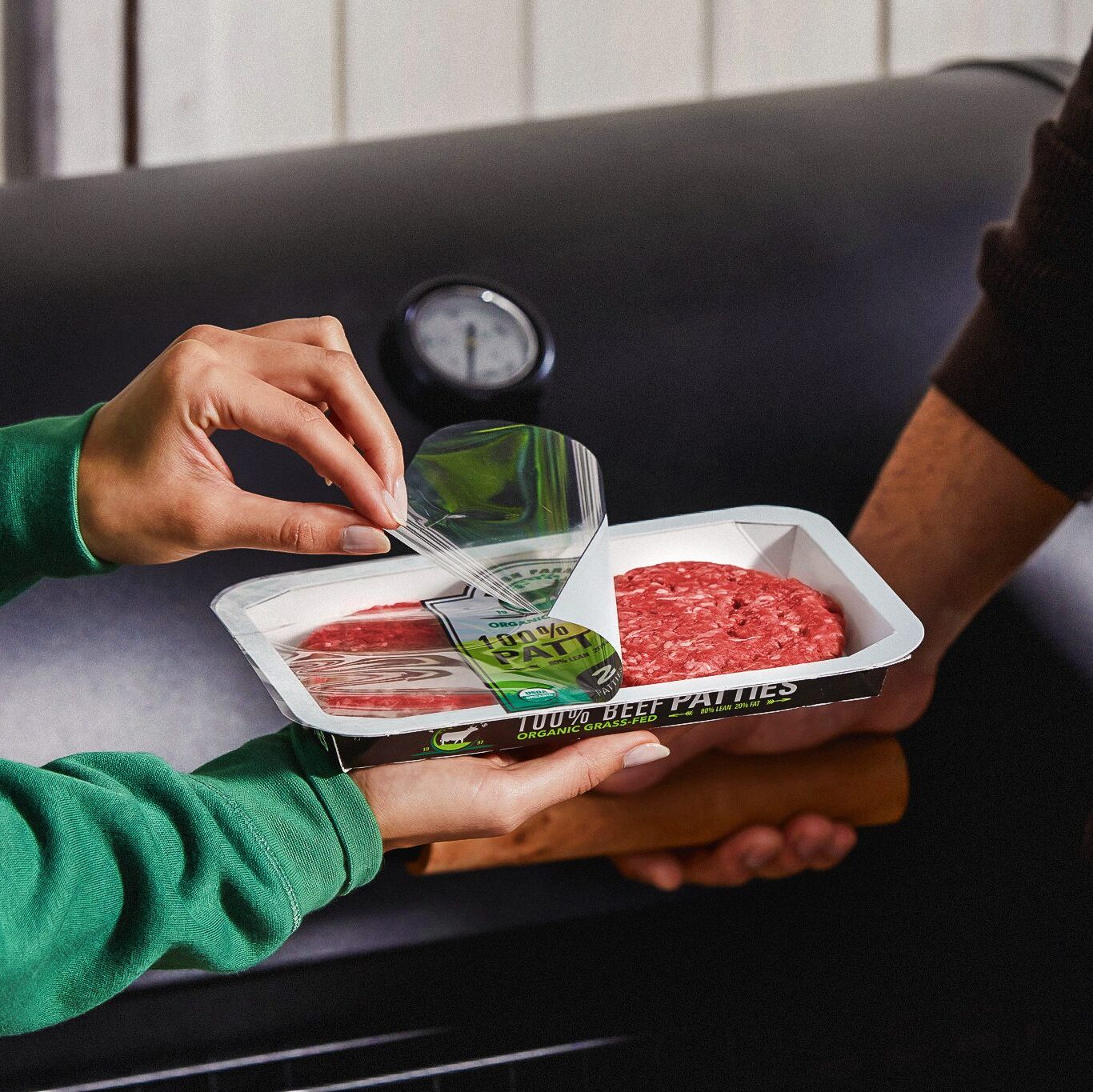
Barrier-lined paperboard tray for fresh food packaging demonstrating MAP sealing technology
Technology

2. MAP & Extended Cold-Chain Shelf Life

Supermarket central kitchens and fresh food aggregators are adopting Modified Atmosphere Packaging (MAP) for pre-packaged sushi. Paperboard trays with precision heat-sealable top rims enable nitrogen flushing, extending fresh salmon and rice shelf life from 3 days to 7+ days under refrigerated supply chains.

Premium custom packaging finishes showing structural elegance and print quality
Branding

3. The Death of Unbranded Black Plastic Trays

Black plastics suffer from low consumer sentiment and are frequently undetected by Near-Infrared (NIR) sorting systems at recycling facilities. Paperboard sushi trays turn packaging into high-impact branding surfaces, offering 360-degree printing to communicate sushi grade, provenance, and brand identity.

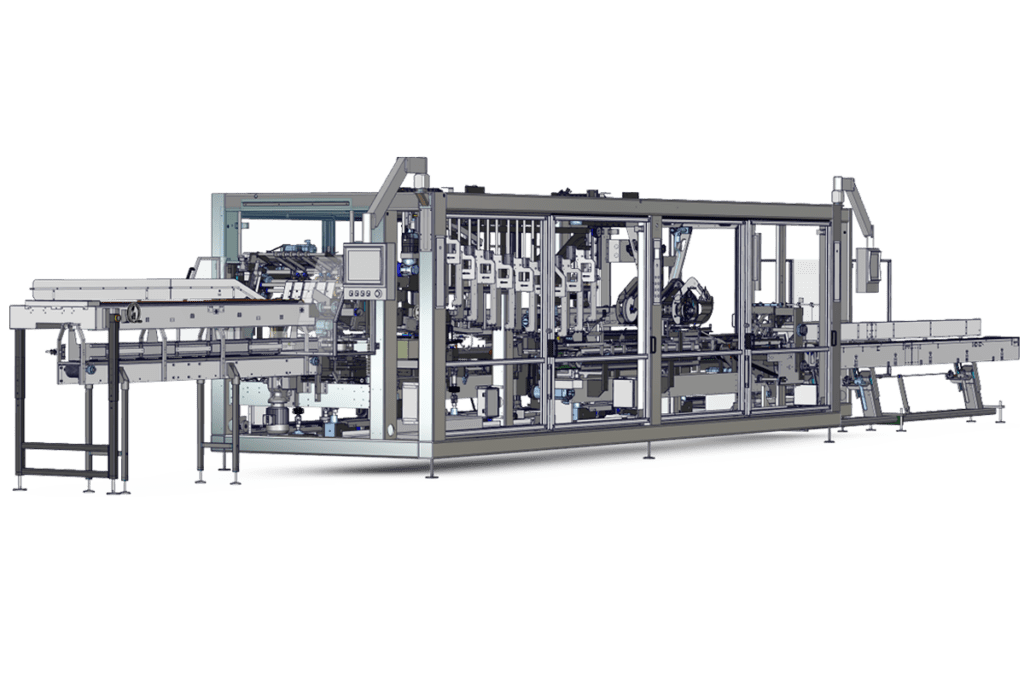
Automated packaging machinery line engineered for high-speed tray denesting and sealing
Systems Engineering

High-Speed Line Integration & Automated De-Nesting

A frequent failure point when converting from plastic to paperboard trays is packing line efficiency loss. Standard paperboard containers can friction-lock when stacked, causing expensive downtime on automated denesting units. Graphic Packaging solves this through integrated material and machinery co-engineering.

  • Precision-stamped denesting lugs engineered into tray sidewalls
  • Consistent rim stiffness designed for automated vacuum pick-and-place grippers
  • Compatible with automated tray lidding, film heat-sealing, and sleeve wrapping machines
  • Optimized nesting ratios that reduce transit volume and warehouse storage space by up to 35%
Inquire Now
Enterprise Procurement Consultation

Ready to Elevate Your Sushi Packaging Operations?

Partner with Graphic Packaging International to audit your current packaging footprint, request custom sample dies, and evaluate high-barrier paperboard sushi tray specifications.

Inquire Now
Corporate Advantage & E-E-A-T

End-to-End Vertical Integration: From Forest Fiber to Finished Tray

As one of the world's largest paperboard packaging producers, Graphic Packaging International offers enterprise buyers an unmatched combination of scale, risk mitigation, and structural innovation.

Our integrated business model spans paperboard mills, structural converting facilities, barrier chemistry R&D laboratories, and automated machinery manufacturing. Sourcing your paperboard sushi trays from GPI eliminates intermediary supply chain markups, guarantees continuous raw material availability, and ensures full compliance with international food safety and sustainability standards.

NYSE: GPKPublicly listed company with transparent ESG disclosures
Zero-PFASFully compliant barrier chemistries for international markets
Global ReachConverting facilities across North America, Europe, and Asia
Custom Die-CutTailored Nigiri, Maki, Sashimi, and bento configurations
Onboarding Process

5-Step Custom Packaging Development Workflow

How international supermarket chains, food distributors, and QSR brands launch paperboard sushi tray programs with Graphic Packaging.

1. Discovery & Audit

We review your product dimensions, shelf-life requirements, fat/oil levels, and current packing line automation.

2. Structural Design

Our packaging engineers craft custom CAD die-lines with optimized denesting lugs, corner gussets, and lid sealing rims.

3. Barrier Matching

Selection of optimal barrier chemistries (aqueous dispersion vs PLA/PE film) based on cold-chain storage and grease exposure.

4. Line Trial & Testing

Prototype trays undergo automated denesting trials, drop testing, and 7-day food contact leakage validation.

5. Scaled Manufacturing

Commercial high-speed offset printing, converting, and global logistics delivery to your distribution hubs.

Frequently Asked Questions

Paperboard Sushi Trays Sourcing & Technical FAQ

How do paperboard sushi trays prevent vinegar, soy sauce, and oil leakage during extended cold-chain storage?

Paperboard sushi trays engineered by Graphic Packaging utilize proprietary aqueous dispersion barrier coatings or bio-based polymer linings rated at KIT level 10-12. These barrier chemistries create a continuous hydrophobic and lipophobic shield across the paperboard surface, preventing rice vinegar, soy sauce moisture migration, and fish oils from compromising structural integrity during 7-to-14-day refrigerated store cycles.

Are paperboard sushi trays compliant with global single-use plastic bans (such as EU SUPD and state-level US regulations)?

Yes. Our paperboard sushi tray formulations are designed specifically to help global retail and foodservice buyers transition away from Expanded Polystyrene (EPS) and black Oriented Polystyrene (OPS) packaging. By utilizing virgin or recycled FSC/PEFC certified wood fibers paired with zero-PFAS dispersion coatings, our trays comply with the EU Single-Use Plastics Directive, US state-level PFAS bans, and extended producer responsibility (EPR) tax guidelines.

Can paperboard sushi trays be integrated into existing high-speed automated packaging lines?

Absolutely. Graphic Packaging provides co-engineered tray designs and packaging machinery systems. Our paperboard sushi trays feature precise corner radii, engineered denesting lugs, and tight rim dimensional tolerances to ensure reliable automated denesting, robot filling, lid sealing, and shrink-wrapping at speeds exceeding 60 to 120 units per minute without jamming.

What custom sizes, window options, and printing finishes are available for enterprise orders?

We offer custom dimensional tooling for standard Nigiri, Maki roll, Sashimi platter, and bento-box combo configurations. Options include high-clarity plant-based window films, fully paperboard snap-fit lids, and up to 8-color flexographic or offset printing with food-safe water-based inks, tactile embossing, and holographic security anti-counterfeiting features.

What is the minimum order quantity (MOQ) and supply lead time for international buyers?

Commercial procurement MOQs typically start at 50,000 to 100,000 units depending on custom structural tooling and barrier specifications. Stock structural die-lines are available at lower volume thresholds. Lead times range from 4 to 6 weeks for custom converting, backed by our global network of converting facilities across North America, Europe, and Asia-Pacific.

Request Paperboard Sushi Tray Samples & Technical Specifications

Connect with Graphic Packaging International’s food packaging specialists to discuss barrier requirements, custom tooling, volume pricing, and automated packaging integration.

As an equal opportunity employer, Graphic Packaging International is committed to accessibility, diversity, equity, and inclusion. All job applicants will be considered without regard to race, color, religion, sex, sexual orientation, gender identity, national origin, veteran, or disability status.