
Direct from premier Chinese OEM/ODM manufacturing facilities: high-rigidity paperboard trays, biodegradable containers, thermoforming films, and carry solutions tailored for Japanese food distributors.
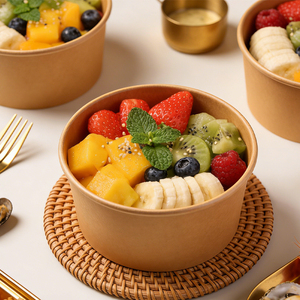
Heavy-duty unbleached kraft fiber container with leak-proof PLA/PE lining. Engineered for Japanese takeaway bento meals and hot food delivery.
Get a Quote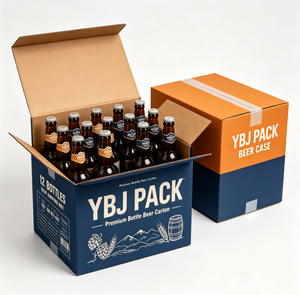
High-burst multi-pack corrugated fiberboard shipping and retail carriers. Optimized for logistics resilience and premium shelf presentation.
Get a Quote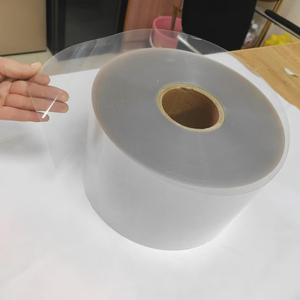
Ultra-high oxygen & moisture barrier thermoforming composite sheet. Ideal for hygienic blister sealing and food protection application.
Get a Quote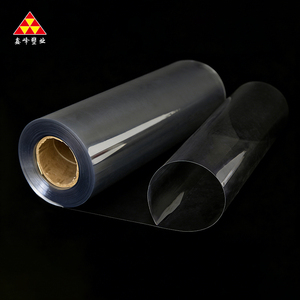
Crystal-clear APET food-contact roll stock with high heat resistance and optical clarity for lid sealing and deli tray inserts.
Get a Quote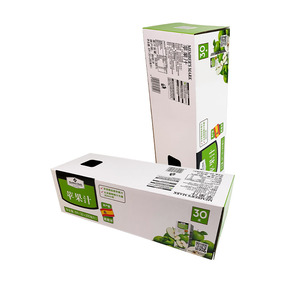
Heavyweight solid bleached sulfate (SBS) beverage packaging with reinforced carry handles and vibrant offset graphic printing.
Get a Quote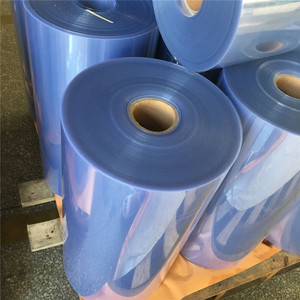
Precision gauge thermoforming film stock providing high impact resistance and dimensional stability for automated tray sealing lines.
Get a Quote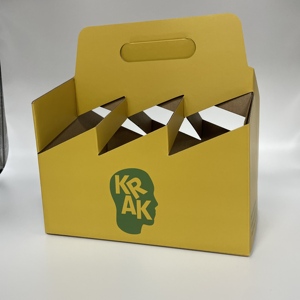
Eco-conscious gift and retail packaging constructed from 100% recyclable virgin or recycled paperboard with structural drop-test protection.
Get a Quote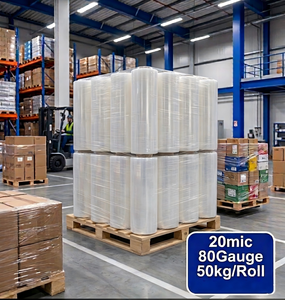
Industrial-grade linear low-density stretch film for securing container export shipments of paperboard trays from China to Japanese ports.
Get a QuoteJapan's food service, convenience store (Konbini), and retail department store (Depachika) sectors are undergoing a massive transition toward sustainable packaging. Following the enforcement of the Plastic Resource Circulation Act (2022) and the Ministry of Agriculture, Forestry and Fisheries (MAFF) decarbonization mandates, food processors and supermarket chains are actively replacing single-use plastic trays with fiber-based paperboard solutions.
Chinese manufacturing facilities have risen to meet this demand, combining advanced paperboard lamination, high-speed automated die-cutting, and strict quality control. By sourcing paperboard food trays from top-tier Chinese suppliers, Japanese importers achieve up to 35% procurement cost savings without sacrificing barrier performance, microwaveability, or compliance with the Japanese Food Sanitation Act (Law No. 370).
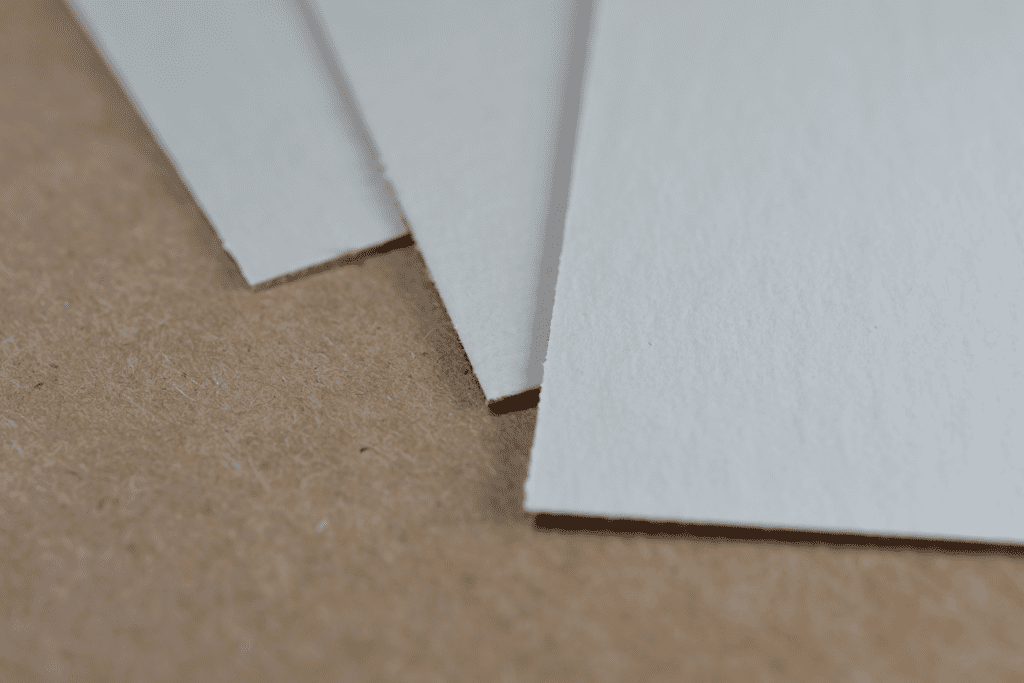
From fast-paced convenience stores to high-end department store food halls, Chinese paperboard tray manufacturers tailor products for distinct Japanese dining habits and logistics environments.
Japan's 55,000+ convenience stores require rigid paperboard bento boxes capable of holding heavy rice dishes, ramen, and curry. Our trays feature leak-proof dual-ovenable barrier coatings that withstand high-power 1500W microwave heating without scorching or softening.
Underground department store food halls in Tokyo and Osaka demand visually stunning packaging. Custom-printed kraft and white solid bleached sulfate (SBS) paperboard trays deliver premium tactile feel, elevated graphics, and pristine food presentation for yakitori, sushi, and Wagyu beef.
For Japanese fresh protein processors, high-barrier paperboard trays with EVOH seal liners extend fresh sashimi and sliced pork shelf life by up to 40%. The rigid rim profile guarantees zero gas leakage under continuous vacuum heat-sealing.
Choosing the ideal paperboard grade and liner technology for Japanese food compliance and operational efficiency.
| Substrate Material | Barrier Type | Thermal Range | JFSL 370 Compliance | Japanese Market Best Fit |
|---|---|---|---|---|
| Virgin Unbleached Kraft Paperboard | PE / PLA Extrusion (18–25g) | -18°C to 110°C | Pass (Heavy Metal & Permeation) | Takeout Bento, Fried Chicken (Karaage), Curry Rice |
| Solid Bleached Sulfate (SBS) Board | Water-based Dispersion Coating | 0°C to 100°C | Pass (Formaldehyde & Residue) | Depachika Delis, Bakery Trays, Pastry Packaging |
| High-Barrier PaperSeal Fiberboard | EVOH Multi-layer Film Lamination | -20°C to 120°C | Pass (Specific Migration Limits) | MAP Fresh Meat, Seafood Sashimi, Ready Meals |
| Bakeable Flute Corrugated Paper | PET Heat-Resistant Film | -40°C to 220°C | Pass (High Temp Extraction) | Convenience Store Frozen Pizza, Baked Meals |
Understanding Japanese consumer preferences and environmental mandates to gain a competitive market edge.
In line with Japan's Ministry of Health, Labour and Welfare (MHLW) guidelines, leading Japanese food brands are banning per- and polyfluoroalkyl substances (PFAS). Top Chinese factories now deploy water-based acrylic dispersion coatings that achieve Kit 12 oil resistance without any fluorinated chemicals.
To reduce plastic usage by over 80% while retaining modified atmosphere barrier integrity, Japanese ready-meal packagers are adopting tray-sealing machines paired with rigid paperboard trays. Flange precision and anti-warp rim manufacturing are paramount to prevent sealing failures on high-speed lines.
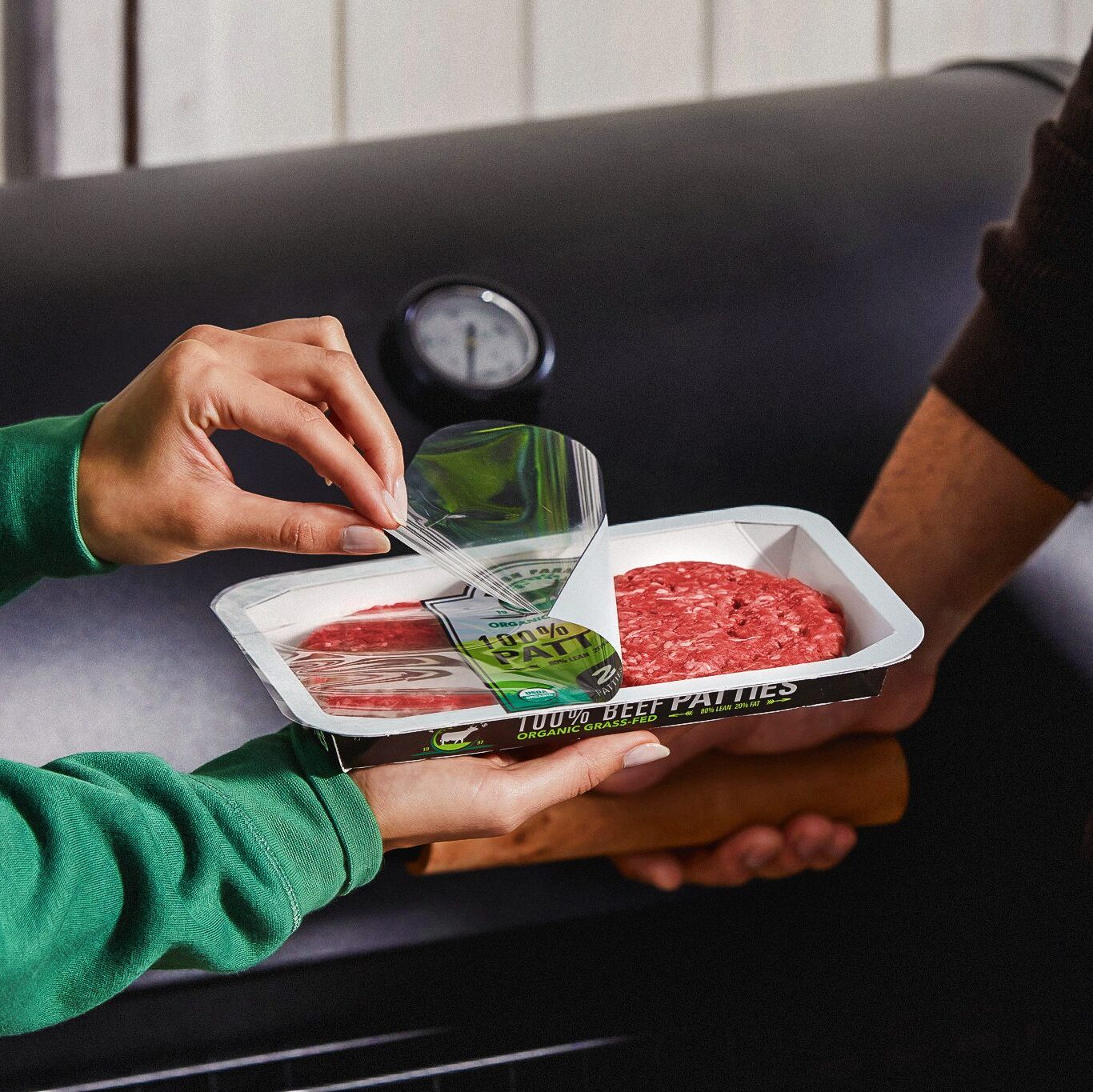
Japanese municipal waste separation rules require easy separation of film liners from paperboard bases, or the use of 100% home-compostable PBS/PLA linings. Chinese suppliers are introducing easily peelable film technologies that allow consumers to strip the inner barrier film in seconds for 100% paper recycling.
With global logistics costs fluctuating, tapered nesting designs allow paperboard trays to stack up to 40% tighter than rigid plastic containers. This dramatically reduces ocean freight container counts from Ningbo/Shanghai ports to Yokohama, Kobe, and Tokyo Bay.
China's leading packaging manufacturers provide end-to-end integration from paperboard mill processing to automated tray forming and global logistics execution.
Partner factories operate Class 100,000 dust-free cleanroom environments certified under ISO 22000, BRCGS Packaging Materials (Grade AA), and FSC Chain-of-Custody. Every shipment comes with comprehensive test reports matching Japan Sanitation Law 370 requirements for heavy metal content, potassium permanganate consumption, and evaporation residues.
Beyond supplying paperboard trays, premier suppliers engineer custom die-cutting molds, tray formers, and rim-curling equipment. This guarantees seamless mechanical compatibility with automated tray denesters and film heat sealers (e.g., Ishida, Multivac, ILPRA) installed in Japanese packaging plants.
Expert answers addressing regulatory compliance, minimum order quantities, customization, and supply chain logistics.
Top Chinese suppliers conduct full-spectrum laboratory testing through accredited third-party inspection bodies such as SGS, TÜV Rheinland, or Intertek. Testing strictly covers Japanese Ministry of Health, Labour and Welfare (MHLW) Notice No. 370 criteria, including heavy metal leaching (Lead, Cadmium), potassium permanganate consumption, volatile organic compounds (VOCs), and evaporation residue limits for direct food contact.
For standard unprinted kraft paperboard trays, MOQs start as low as 20,000 units. For fully customized offset-printed paperboard trays with specialized barrier coatings, MOQs typically range from 50,000 to 100,000 units. Standard production lead time is 15 to 20 days, with ocean shipping from Shanghai/Ningbo to major Japanese ports (Tokyo, Yokohama, Osaka) taking only 3 to 7 days.
Yes. By utilizing PET extrusion lining or dual-ovenable dispersion coatings, paperboard trays maintain structural integrity from blast freezing at -20°C up to high-temperature microwave heating at 120°C. The corner flange precision prevents liquid leakage, grease migration, or moisture softening during thawing and reheating.
Absolutley. Leading Chinese factories provide CAD structural sampling, 3D digital mockups, and physical unprinted samples within 3 to 5 business days via express courier to Japan. Custom printed proofing samples can also be produced for rapid buyer evaluation.
By transitioning from traditional CPET/PP plastic trays to fiber-based paperboard containers, brands reduce plastic consumption by 75% to 90% per tray. Furthermore, suppliers offer FSC-certified raw materials, bio-based PLA/PBS coatings, and water-based dispersion barriers that align with Japan's Plastic Resource Circulation Act goals.