
Direct factory exports engineered to meet strict Philippine environmental mandates and tropical shelf-life requirements.
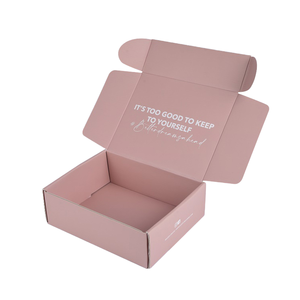
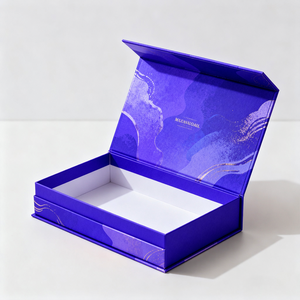
The Philippines packaging ecosystem is undergoing a seismic structural transition. Driven by the enforcement of Republic Act No. 11898—the Extended Producer Responsibility (EPR) Act of 2022—large-scale brand owners, fast-food conglomerates (QSRs), contract packaging providers, and retail chains operating across Metro Manila (including Makati, Bonifacio Global City, Quezon City, and Pasig) are mandated to phase out non-biodegradable single-use plastics. Municipal ordinances across Local Government Units (LGUs) are penalizing traditional polyolefins, propelling an urgent demand for certified compostable packaging films, water-barrier paperboard, and high-performance bio-stretch wraps.
However, importing compostable film from Chinese factories into the Manila market requires far more than generic eco-labeling. Metro Manila’s high ambient temperature (averaging 30°C to 35°C) and extreme relative humidity (often exceeding 85% RH during the monsoon season) pose distinct material physics challenges. Standard bioplastics degrade prematurely under improper humidity or fail to provide adequate Water Vapor Transmission Rates (WVTR) and Oxygen Transmission Rates (OTR). Sourcing teams require specialized co-extruded PBAT (Polybutylene Adipate Terephthalate) and PLA (Polylactic Acid) formulations engineered for tropical shelf-life resilience.
When replacing conventional LLDPE stretch film, PET food trays, or OPP pouch laminates, Manila procurement teams must balance mechanical tensile strength against end-of-life degradation profiles. Below is an authoritative technical benchmark derived from our laboratory testing across export batches bound for Southeast Asian destinations.
| Film / Substrate Grade | Primary Polymer Composition | Tensile Strength (MD/TD - MPa) | Elongation at Break (%) | WVTR (g/m²/24h @ 38°C, 90% RH) | Primary Manila Application |
|---|---|---|---|---|---|
| Bio-Stretch Grade Alpha | PBAT + PLA + Modified Starch Blend | 28 / 24 | 480% | < 120 | Pallet wrapping & warehouse logistics in Valenzuela & Pasig |
| High-Barrier Bio-Laminate | PLA / Cellulose / Aqueous Coating | 45 / 40 | 120% | < 15.5 | High-moisture snack & dried fruit pouch packaging |
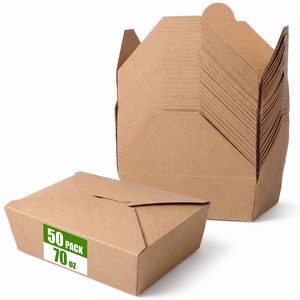
| Grease-Proof Barrier Paper | Virgin APP Fiber + Bio-Polymer Dispersion | 65 / 38 | 12% | < 45 | QSR take-out food boxes & microwaveable trays |
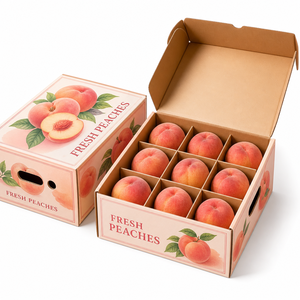
| Rigid Fruit & Produce Board | High-Density Fluted Corrugated + Kraft | Bursting Strength > 1.2 MPa | N/A | Coated Surface | Agricultural transport (Luzon farms to Manila retail) |
Customs inspectability at Manila South Harbor and North Harbor (NCT) demands rigorous certification documentation to avoid hold-ups or misclassification fines under Bureau of Customs (BOC) regulations. Direct exports from our state-of-the-art Chinese manufacturing complexes carry verified compliance seals:
Tailored eco-packaging solutions addressing real-world operational environments across the National Capital Region (NCR).
In high-density commercial nodes like Makati CBD and Ortigas Center, takeaway meals require leak-proof, microwaveable packaging that doesn't soften under steam pressure. Our APP biodegradable kraft containers with aqueous bio-barrier linings provide grease resistance up to 120°C, maintaining structural rigidity during motorcycle transit in Manila rain.
Inquire NowTransporting fresh fruit (peaches, mangoes, bananas) from Luzon and Mindanao orchards to Metro Manila supermarkets (SM Supermarket, Rustan's, Puregold) requires ventilation and moisture dissipation. Our custom corrugated produce boxes with micro-perforated bio-stretch liners preserve ethylene balance and extend shelf life by 4+ days.
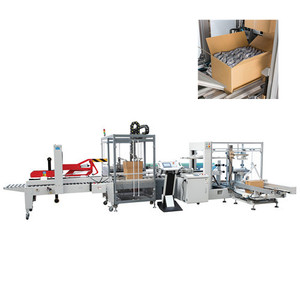
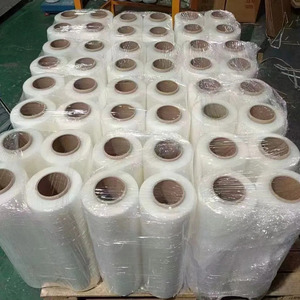
Inquire NowE-commerce fulfillment centers and logistics hubs across Greater Manila rely on clear LLDPE and PBAT bio-stretch films. Our high-cling, puncture-resistant machine wrap rolls function seamlessly on automated case packing systems, locking multi-tier beverage cartons and palletized goods securely during rough road transport.
Inquire NowSourcing directly from China’s premier compostable film manufacturers offers distinct strategic advantages over sourcing from third-party middlemen or local stockists in Metro Manila:
Unlike local converters who purchase imported film rolls and merely slit them, our Chinese production lines begin at raw PBAT/PLA modified resin compounding. This allows micro-adjustment of slip agents, anti-fog additives, and UV stabilizers tailored specifically to tropical Philippine storage environments.
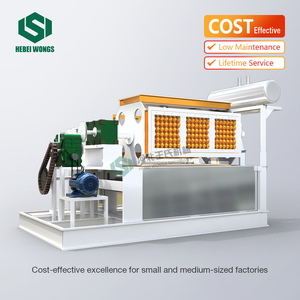
In line with global industry standards (such as Graphic Packaging International’s integrated equipment methodologies), we engineer our compostable films to work synchronously with high-speed automated machinery—including case box erectors, top-loader packers, and egg tray production lines—reducing downtime and film snapping by up to 94%.
We operate 10-color high-precision flexographic printing presses utilizing non-toxic, heavy-metal-free water-based inks. Brands in Manila can execute complex metallic foil stamping, spot UV finishes, and high-definition branding while retaining 100% compostability validation.
Addressing regulatory compliance, shipping logistics, shelf-life, and cost structures for importing compostable film from China.
Our export-grade PBAT/PLA films are packaged in moisture-barrier aluminum foil vacuum wrapping with desiccant packs inside reinforced corrugated shipping cartons. When shipped via standard container vessels from Shenzhen, Xiamen, or Ningbo to Manila South/North Harbor (transit time approx. 5–7 days), the films remain completely stable. They only begin biological decomposition when exposed to active microbial soil environments or industrial composting facilities.
Yes. Under RA 11898, obligated enterprises must demonstrate plastic footprint reduction and transition to recyclable or certified bio-based/compostable alternatives. Our films come with full TÜV OK Compost and BPI laboratory test reports, allowing your legal and environmental compliance teams to seamlessly register your packaging footprint with the Department of Environment and Natural Resources (DENR).
Under the ASEAN-China Free Trade Area (ACFTA) agreement, Philippine importers who present a valid Form E Certificate of Origin issued by China Customs can clear certified compostable films and bio-paperboard products at 0% preferential import tariff (HS Code 3920.99 / 4819.10), paying only the standard 12% Philippine Value Added Tax (VAT).
Absolutely. Our Bio-Stretch Grade films are specifically formulated with high tensile memory and controlled yield points. They drop directly into standard automatic pallet wrappers, tray stretch wrappers, and top-loader case packing systems without requiring costly equipment retrofits or line-speed drop-offs.
When stored in ambient warehouse conditions in Metro Manila (indoors, out of direct sunlight, temperature below 35°C, relative humidity under 80%), our films maintain optimal tensile strength, sealability, and clarity for 12 to 18 months. We recommend a FIFO (First-In, First-Out) inventory rotation strategy for optimal operational performance.
Standard unprinted film rolls have low MOQs starting at 500 kg. Custom flexographic-printed films or custom-sized corrugated gift cartons typically require an MOQ of 1,000 kg or 5,000 units depending on specs. Standard factory production lead time is 12 to 15 days following digital proof approval, followed by 5 to 7 days sea transit to Manila Port.
Partner directly with China’s leading certified compostable film factory. Our technical packaging engineers provide complete compliance documentation, free sample roll testing, and FOB/CIF Manila port pricing within 24 hours.
Inquire Now