
Explore high-performance fiber-based containers, eco-friendly cartons, and barrier films tailored for local market fulfillment.
As consumer demand across Moscow’s retail ecosystem shifts toward sustainable, high-barrier packaging, paperboard canister manufacturers face a unique combination of structural, climatic, and regulatory imperatives. This engineering guide details the technical specifications, barrier sciences, localized logistics considerations, and compliance frameworks governing composite paperboard canisters in the Eurasian region.
The Moscow metropolitan area represents the largest urban consumer market in Eastern Europe, housing over 13 million residents within city limits and more than 17 million across the broader Moscow Oblast. Sourcing managers and package engineers supplying fast-moving consumer goods (FMCG) to major retail chains—such as X5 Retail Group (Perekrestok, Pyaterochka), Magnit, Auchan, and specialized gourmet networks like VkusVill—face an evolving landscape. Key drivers include stringent sustainability goals, escalating tariffs on traditional single-use rigid plastics, and elevated consumer preference for premium, eco-friendly tactile packaging.
Rigid paperboard canisters—also recognized as composite cans, spirally wound fiber drums, or Boardio™ style paperboard containers—have emerged as the definitive replacement for tinplate cans, rigid glass jars, and plastic tubs. Their adoption spans premium coffee roasters in the Central Federal District, artisanal confectionery manufacturers, infant nutrition formulators, and specialty cosmetics houses operating out of industrial parks around the Central Ring Road (A-107/A-108).

Unlike traditional round spirally wound cans, modern paperboard canister manufacturing incorporates custom shaping—square, rectangular, oval, and contoured formats. Utilizing high-density virgin unbleached or bleached kraft paperboard cores, these canisters deliver exceptional stacking strength while significantly paring down tare weight compared to glass or tinplate.
Distributing packaged goods in the Moscow region requires engineering against severe microclimatic shifts. Moscow experiences dramatic seasonal thermal variations, ranging from winter lows of -25°C to -30°C in outdoor logistics yards, to summer peaks of +30°C with elevated humidity. Standard paperboard containers without advanced barrier lamination suffer from moisture absorption, ply separation, or oxygen ingress, leading to product caking, oxidation of essential oils, and reduced shelf life.
To overcome these environmental stressors, leading paperboard canister manufacturers employ multi-layer co-extrusion and lamination technologies. The internal lining of the canister cylinder is custom-engineered based on the chemical and physical characteristics of the contained product.
| Canister Type / Barrier Lamination | OTR (cc/m²/24h) | WVTR (g/m²/24h) | Primary Application Areas | Temperature Tolerance |
|---|---|---|---|---|
| Alu-Foil High Barrier Composite (Paperboard / PE / Al-Foil / Surlyn) |
< 0.1 | < 0.1 | Infant formula, instant freeze-dried coffee, specialty teas, medical powders. | -30°C to +50°C |
| Foil-Free EVOH Mono-Material Barrier (Paperboard / Bio-PE / EVOH) |
< 0.5 | < 0.8 | Confectionery, snacks, organic cocoa, dry bakery ingredients. | -20°C to +40°C |
| Moisture-Resistant Greaseproof Canister (Kraft Board / Bio-Wax / Dispersion Coating) |
< 5.0 | < 2.5 | Nuts, dried fruits, savory biscuits, luxury cosmetic powders. | -15°C to +35°C |
| Airtight Boardio™ Sealed Canister System (Structured Board / Thin Barrier Liner / Flat Top Membrane) |
< 0.2 | < 0.3 | Ground coffee, milk powder, protein supplements, pet treats. | -25°C to +45°C |
Paperboard canister sourcing in Moscow spans diverse industrial and retail verticals. Below are the primary localized applications where fiber canisters provide clear operational, aesthetic, and functional superiority over legacy packaging:
Moscow’s thriving specialty coffee roasters and premium tea houses require gas-tight canisters equipped with one-way degassing valves and peelable aluminum foil membranes. Rigid paperboard cylinders shield delicate aroma oils from light oxidation during warehousing in regional logistics hubs.
During seasonal retail peaks (New Year, Spring holidays), Moscow confectionery brands demand luxury packaging. Custom-shaped paperboard canisters with metallic foil stamping and soft-touch laminates deliver luxury shelf appeal while eliminating expensive metal tinplate import tariffs.
Microbiological cleanliness is paramount for dry dairy products. Canisters manufactured under cleanroom conditions feature scoop-levelling ledges, tamper-evident tear-ring lids, and absolute oxygen barriers compliant with national food sanitation norms.
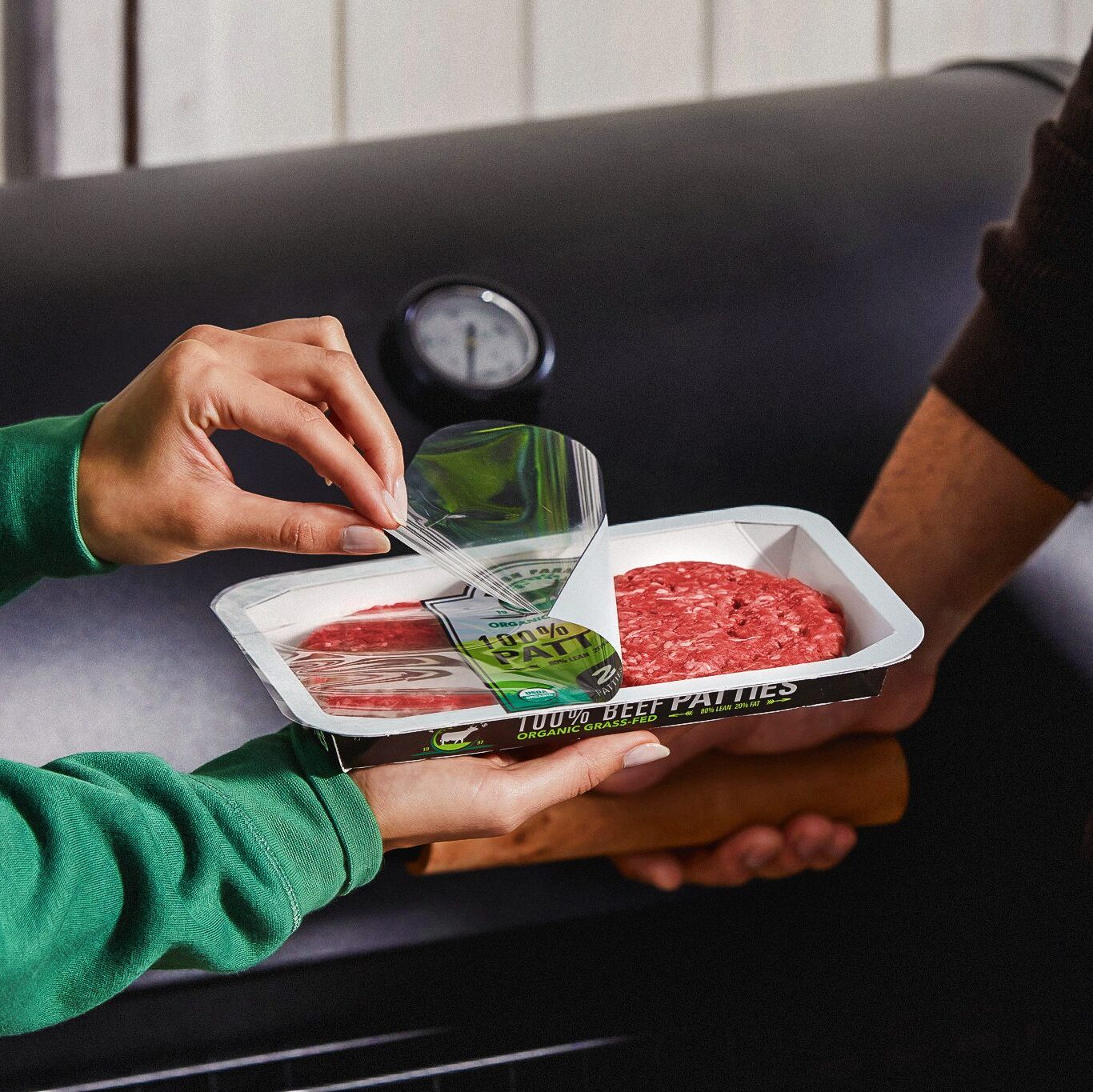
In addition to round and shaped composite canisters, modern food processing plants across Moscow utilize barrier-lined paperboard trays (PaperSeal™) for MAP (Modified Atmosphere Packaging) red meat, poultry, and ready meals. Consolidating canister packaging and tray production with a single qualified manufacturer ensures unified material science, color consistency, and single-source procurement efficiency.
By replacing heavy plastic tubs and MAP trays with paperboard alternatives, food producers reduce plastic usage by up to 80-90% while retaining existing automated sealing line speeds.
Navigating the packaging supply chain within the Russian Federation and Eurasian Economic Union (EAEU) requires strict adherence to technical standards. Foreign and domestic buyers sourcing paperboard canisters for Moscow distribution must ensure full compliance with:
As an industry leader in fiber-based consumer packaging, our business model rests on vertical integration—spanning raw paperboard conversion, barrier film engineering, precision graphic printing, composite canister forming, and integrated packaging machinery system delivery.
From fiber sourcing to high-speed canister spiral winding and top-membrane sealing, we control every manufacturing variable. This minimizes quality variances and guarantees consistent radial crush resistance during high-density stacking.
We design both the canisters and the high-speed canister line machinery. Sourcing packaging and equipment from a single engineering partner eliminates line integration friction, reduces downtime, and accelerates commercial production startup.
Recognized on global corporate citizenship lists (Fortune Most Admired, Ethisphere Ethical), our production facilities operate under strict ISO 9001, ISO 14001, and BRCGS food safety certifications, providing complete supply chain transparency.
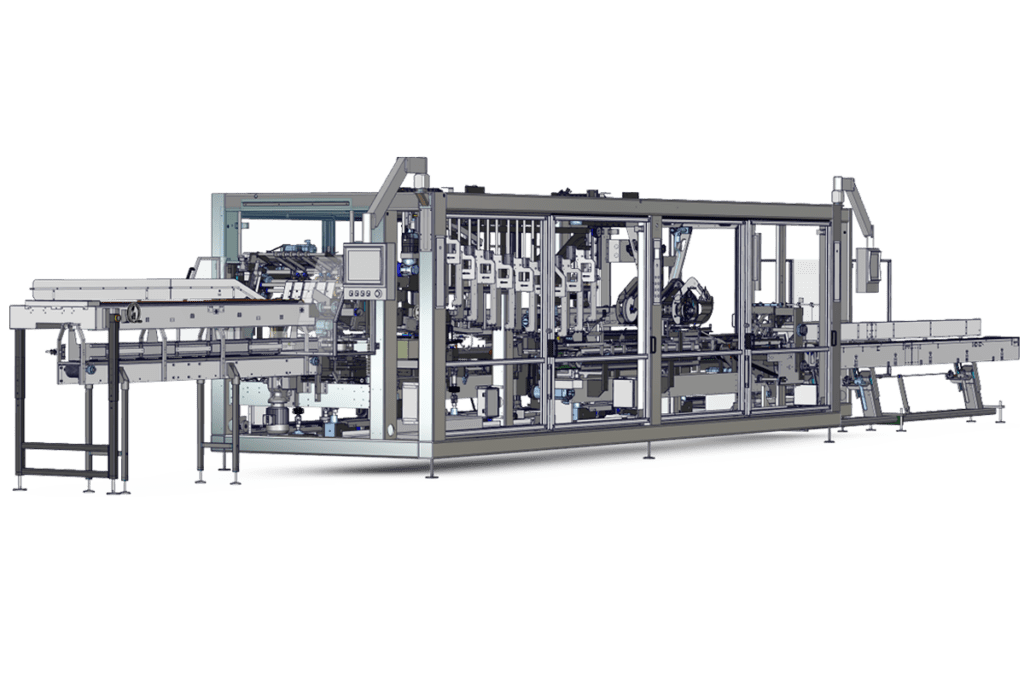
Operational efficiency in Moscow packing facilities requires high throughput and minimal maintenance. Our canister line systems support automated pick-and-place canister denesting, precise volumetric dry powder or nitrogen-flushed filling, ultrasonic peel-off membrane heat-sealing, and plastic lid reclosure application at speeds up to 300 units per minute.
Detailed responses to common procurement, technical, and customs inquiries raised by brand managers and packaging engineers.
A: Standard minimum order quantities (MOQs) for fully customized spirally wound paperboard canisters or shaped Boardio™ containers start at 30,000 to 50,000 units per artwork variation. For unprinted or standard-diameter stock cylinders with custom labels, lower MOQs starting from 10,000 units can be accommodated.
A: Our canisters utilize cold-temperature resistant water-based adhesives and co-extruded polymer barrier inner liners engineered not to turn brittle at temperatures down to -30°C. Storage tests validate structural integrity, micro-leak tightness, and ply adhesion after repeated freeze-thaw cycles.
A: Yes. High-barrier aluminum-foil lined paperboard canisters with sealed peel-off foil membranes and plastic plug lids meet identical oxygen barrier (OTR < 0.1 cc/m²/24h) and food hygiene parameters as metal cans, while offering lighter shipping weight and lower environmental impact.
A: We offer a wide selection of top closures including aluminum peel-off membranes (smooth or embossed), steel or aluminum snap-on end covers, plug lids, hinged plastic shaker tops, child-resistant safety caps, and 100% paperboard plug ends for zero-plastic packaging goals.
A: All shipments served to the Moscow market are supplied with full Declaration of Conformity under TR CU 005/2011, detailed quality passports, food contact migration test certificates, and complete HS code documentation to ensure seamless clearance at regional customs terminals.
A: Absolutely. Our design lab provides rapid structural prototyping, 3D digital renderings, and sample batches of unprinted canisters for vacuum leak testing, drop testing, and line-filling validation prior to contract signing.
Connect directly with our senior packaging engineers and procurement specialists to receive custom structural recommendations, barrier calculations, and wholesale price quotes.