
Precision-engineered paperboard packaging, microwave susceptor laminates, and automated carton forming systems designed for global food brands and Seoul regional distributors.
Microwave susceptor packaging represents the confluence of dielectric heating physics and surface thermal conduction. In conventional microwave heating, water molecules within food absorb 2.45 GHz electromagnetic radiation, causing dipole rotation and rapid volumetric heating. However, because air inside the microwave cavity remains cool, surface moisture evaporates without raising surface temperatures high enough to induce the Maillard reaction (non-enzymatic browning occurring between 140°C and 165°C) or caramelization. The result is often soggy crusts, limp batters, and rubbery meat textures.
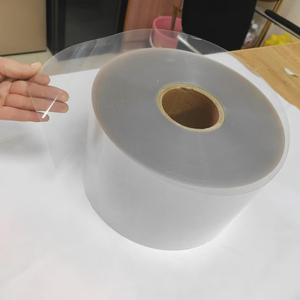
As a specialized OEM/ODM microwave susceptor packaging manufacturer serving global brand owners and food processors in Seoul, South Korea, our engineering team utilizes thin-film vacuum metallization technology. By vaporizing high-purity aluminum onto a heat-stable Polyethylene Terephthalate (PET) carrier film (typically 12 to 15 microns thick) and laminating it to a high-density paperboard substrate, we create a controlled electrical resistance layer. When exposed to microwave radiation, this ultra-thin metallized film absorbs a precise fraction of the electromagnetic energy via eddy currents and dielectric loss, instantaneously converting it into localized conductive thermal heat reaching surface temperatures from 180°C up to 230°C within seconds.
Precise vacuum deposition ensures optical density (OD) tolerances between 0.20 and 0.28, ensuring consistent thermal energy output without electric arcing or sparking inside consumer microwave units.
Through proprietary laser or chemical demetallization, heat is targeted strictly to areas requiring browning (e.g., bottom crusts), while preserving moisture in sensitive filling zones.
Laminated with high-temperature food-grade adhesives compliant with US FDA 21 CFR 176.170, European EFSA, and South Korea’s Ministry of Food and Drug Safety (MFDS) standards.
The Seoul metropolitan area (encompassing Gangnam, Yeouido, Mapo, Seongsu, and the broader Gyeonggi urban cluster) represents one of the world's most sophisticated and dense convenient food markets. Driven by a high concentration of single-person households (over 37% of households in Seoul as of recent statistics) and a fast-paced work culture, the demand for high-quality Home Meal Replacements (HMR) and Restaurant Meal Replacements (RMR) has escalated dramatically.
Major Korean retail operators—such as CU (BGF Retail), GS25 (GS Retail), Seven-Eleven (Lotte Unistore), and Emart24—compete aggressively for consumer preference. In this environment, a microwaveable frozen meal or snack cannot simply be hot; it must deliver authentic oven-baked textures, crispy bottoms, and golden-brown surfaces within a standard 700W or 1000W store microwave cycle (typically under 120 seconds).
Custom susceptor plates and bottom trays engineered to restore the pan-fried pan-crisping effect for scallion pancakes (Pajeon) and sweet syrup filled Hotteok pancakes without oil splatter.
Patterned susceptor sheets that create a crispy bottom skin on frozen Korean dumplings (Mandu) while keeping the upper pastry shell tender and steam-cooked.
Vented susceptor boxes designed to quickly re-crisp double-fried Korean chicken wings and boneless tenders, venting excess moisture out to avoid soggy batter.
Rigid susceptor board sleeves and disks that ensure bottom crust rigidity and cheese melting for single-serve pizza slices sold across Seoul's 24-hour retail networks.
Furthermore, South Korea’s stringent environmental mandate—governed by the Ministry of Environment’s Act on the Promotion of Saving and Recycling of Resources—demands that packaging substrates move toward circularity. Our OEM/ODM microwave susceptor packaging solutions offer easy-peel film options and repulpable paperboard backings, empowering Seoul food manufacturers to satisfy both sensory demands and strict local eco-compliance packaging audits.
Procurement and packaging engineering teams from global food giants and Seoul-based co-packers require more than just converted paperboard; they require systemic reliability. Drawing on deep manufacturing heritage and global awards (including recognition among Fortune World's Most Admired Companies, Ethisphere World's Most Ethical Companies, and JUST Capital Best of American Business), our enterprise solutions combine paperboard substrate development, susceptor film lamination, precision converting, and automated packaging line integration.
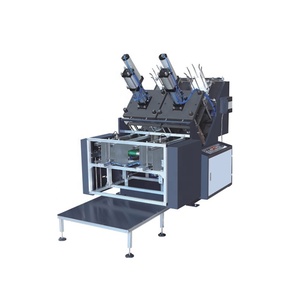
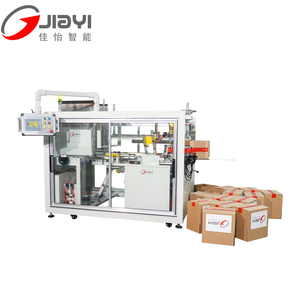
Cartons and high-speed machinery are engineered together. From high-speed carton erectors to custom susceptor insertion systems, line speed efficiency and low scrap rates are guaranteed.
Beyond susceptors, we offer fiber-based plastic-replacement structures such as PaperSeal™ barrier-lined trays, Boardio™ rigid canisters, and KeelClip™ paperboard multipack clips.
Incorporating child-resistant locks (certified under 16 CFR 1700.20), anti-counterfeiting micro-features, laser perforation, and high-clarity tactile print enhancements.
Whether you require custom OEM prototype development for a new frozen food product launch in Seoul or high-volume ODM production of standard microwave pie sleeves, our technical teams conduct rigorous heating simulations, thermal camera profiling, and shelf-life testing to ensure zero failure in the consumer's home.
Direct technical clarity for Seoul procurement officers, R&D directors, and contract packagers evaluating microwave susceptor materials.
Connect with our senior packaging engineers to request technical specifications, order sample kits, or schedule a thermal browning demonstration for your product line.