
An authoritative technical analysis of fiber-based outer packaging, multi-layer high-barrier liquid bladders, and seamless integration into Germany’s circular economy framework (PPWR).
As the industrial and gastronomic epicenter of Germany, Berlin presents unique supply chain challenges for liquid food producers, beverage manufacturers, chemical processing hubs, and commercial packaging distributors. Sourcing high-performance Bag-in-Box (BiB) packaging requires balancing stringent European Union material safety standards, oxygen transmission rate (OTR) limits, and circular economy compliance driven by the upcoming EU Packaging and Packaging Waste Regulation (PPWR).
Graphic Packaging International and engineered partner networks deliver fully integrated Bag-in-Box packaging architectures. By pairing heavy-duty corrugated outer cartons with custom-formulated EVOH, LLDPE, and metallized PET composite flexible bladders, we supply Berlin-based buyers with lightweight, low-carbon alternatives to traditional rigid plastic drums, metal kegs, and heavy glass bottles.
Explore our specialized liquid containment films, outer shipping boxes, and eco-friendly consumer packaging modules engineered for global export to Germany.
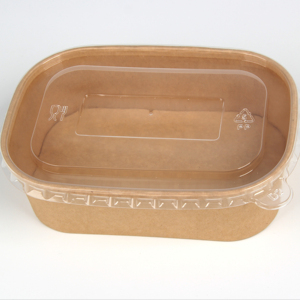
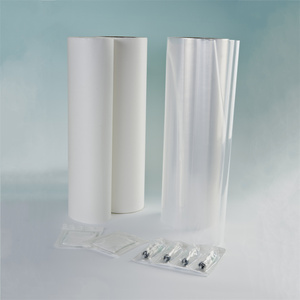
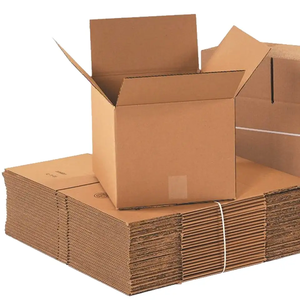
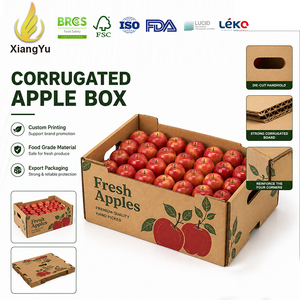
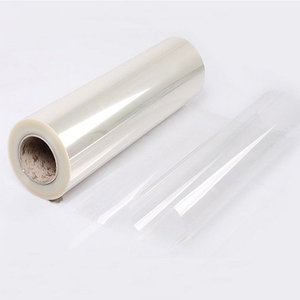
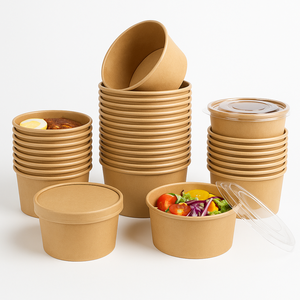
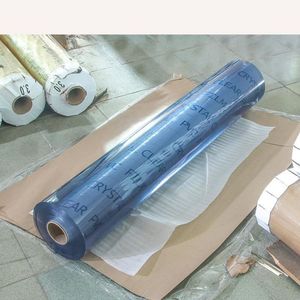
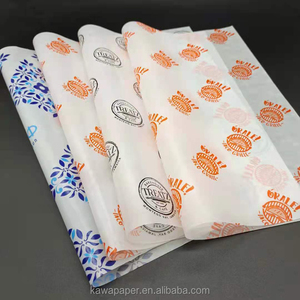
Designed to withstand transit dynamic stresses from global manufacturing nodes to Berlin distribution centers.
Co-extruded EVOH & LLDPE films provide unmatched gas tightness (OTR < 0.1 cc/m²/day), shielding delicate wine, craft juices, and edible oils against premature oxidation during storage.
Reinforced double-wall corrugated cartons crafted from virgin kraft paperboard resist compression forces up to 12,000 N, ensuring flawless vertical stacking on standard Euro-pallets (1200x800mm).
Equipped with standardized Vitop glands, push-taps, or custom sanitary valves that ensure drip-free, vacuum-sealed dispensing for both commercial food services and industrial fill lines.
How enterprise buyers across Berlin-Brandenburg leverage Bag-in-Box packaging to streamline logistics and satisfy regional sustainability standards.
The flourishing craft beverage sector in Berlin—stretching from urban breweries in Friedrichshain to cider pressing operations in Brandenburg—demands packaging that preserves natural aromatic profiles. Our 3L, 5L, and 10L Bag-in-Box options prevent oxygen ingress post-opening, extending draft stability up to 6 weeks without artificial preservatives.
Local Advantage: Fits seamlessly into dark-store delivery networks and eco-conscious hospitality venues across Central Berlin.
Berlin’s thousands of restaurants, hotel chains, and institutional canteens require continuous supplies of cooking oils, liquid eggs, sauces, and dairy bases. Supplying 15L to 25L commercial BiB units eliminates glass breakages in commercial kitchens while dramatically reducing storage footprint before and after consumption.
Logistics Benefit: Standardized dim-weight scaling reduces total freight costs into Berlin cargo hubs (GVZ Grossbeeren & Westhafen).
Berlin-Adlershof is home to world-class laboratory, chemical processing, and clean-tech manufacturing facilities. For technical fluids, liquid fertilizers, water treatment agents, and non-hazardous industrial chemicals, our UN-certified, barrier-enhanced flexible inner bags prevent chemical leaching and atmospheric reaction.
In response to stringent medical hygiene protocols, our cleanroom-manufactured thermoforming plastic films and sterile pouch bladders cater to pharmaceutical contract packagers located within the Berlin-Brandenburg healthcare cluster.
Aligning product specifications with Germany's packaging act (VerpackG) and EU circularity roadmaps.
The German market is governed by rigorous environmental mandates under the Verpackungsgesetz (VerpackG) and LUCID registry requirements. Brand owners and distributors exporting to Berlin can no longer rely on single-use rigid plastics without incurring severe financial penalties and high eco-taxation tariffs.
1. Easy Fiber-Film Separation for Micro-Recyclability: Modern packaging standards in Germany mandate that consumer and commercial packaging can be effortlessly separated by end users. Our Bag-in-Box design enables 100% cardboard recycling via local paper streams (Blaue Tonne), while the empty, collapsed inner bag occupies less than 10% of the volume of rigid alternatives in residual waste streams.
2. Freight Carbon Reduction (Scope 3 Emissions): Transporting empty glass bottles or rigid plastic jerrycans into Berlin consumes massive freight volume. Unfilled Bag-in-Box inner bags and flat-packed corrugated cartons arrive on pallets at a ratio of 1:7 compared to rigid containers. This drastic reduction in inbound transport volume directly lowers Scope 3 carbon emissions for German importers.
End-to-end integration: Paperboard manufacturing, multi-barrier film converting, and high-speed filling line machinery systems.
We eliminate vendor fragmentation by controlling paperboard production, barrier film laminations, high-precision print finishing, and outer box converting under one audited quality management system.
Facilities certified under BRCGS Food Safety Grade AA, ISO 9001, ISO 14001, and US FDA food contact compliance, satisfying all German TÜV and DIN EN import verification standards.
We do not just supply packaging; our machine engineering units design high-speed automated Bag-in-Box filling equipment, carton formers, and web-feeding machinery to maximize line efficiency.
Key compliance, logistics, and technical answers for German purchasing teams.