
Explore our complete product ecosystem spanning customized fiber pulp food trays, barrier-laminated containers, takeaway solutions, and industrial-grade automation lines.
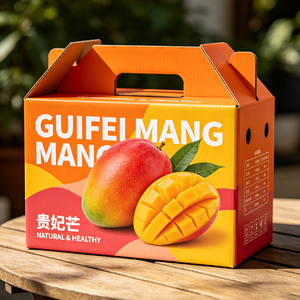
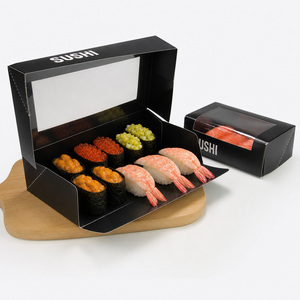
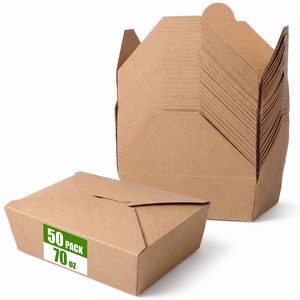
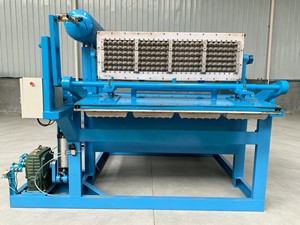
In the contemporary food supply chain, packaging is no longer merely a passive vessel for transport; it is a critical instrument of preservation, brand differentiation, operational efficiency, and regulatory compliance. As a premier global food packaging trays manufacturer, our production philosophy combines substrate innovations with high-speed automated machine compatibility. Global enterprise procurement teams face a complex matrix of regulatory mandates, including plastic reduction targets (such as the EU Packaging and Packaging Waste Regulation - PPWR), consumer demand for circularity, and stringent food contact safety protocols dictated by the FDA, EFSA, and BRCGS standards.
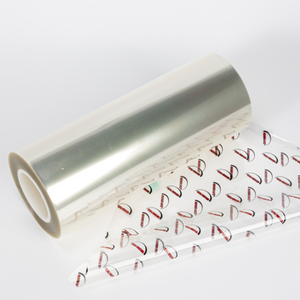
Achieving superior barrier performance without compromising sustainability requires advanced polymer engineering and structural fiber design. Modern paperboard and pulp food packaging trays utilize specialized aqueous dispersion coatings, bio-based films, or removable ultra-thin polymer liners (such as our proprietary PaperSeal® barrier tray system). These engineering marvels allow food processors to replace traditional high-barrier Modified Atmosphere Packaging (MAP) rigid plastic containers—such as CPET, PP, or Expanded Polystyrene (EPS)—with recyclable fiber-based alternatives that reduce virgin plastic usage by up to 80% to 90% per unit.
The technical efficacy of any food packaging tray relies on two fundamental metrics: Oxygen Transmission Rate (OTR) and Water Vapor Transmission Rate (WVTR). Standard non-treated paperboard exhibits rapid gas permeability, leading to food oxidation, discoloration, and microbial spoilage. By engineering precision multi-layer barrier films integrated with solid unbleached sulfate (SUS) or recycled paperboard cores, our factory designs achieve OTR values under 0.5 cm³/m²/24h at 23°C/50% RH, effectively matching CPET plastic performance for fresh meat, seafood, and ready-meal packaging while preserving shelf-life integrity.
Dual-ovenable paperboard and pulp molded trays are formulated to endure extreme thermal transitions without structural degradation or chemical migration. From deep cryogenic flash freezing at -40°C to conventional oven baking and microwave heating up to +220°C, our trays maintain structural flange flatness, preventing seal failure during consumer reheat cycles.
The primary point of failure in MAP food packaging trays is gas leakage along the top seal rim. Our factory utilizes continuous continuous-surface pressing technology to deliver uniform rim thickness tolerances within ±0.15mm. This micro-precision ensures complete film adhesion under heat-sealing pressures, virtually eliminating micro-channel leaks.
When enterprise sourcing managers evaluate packaging contracts, selecting the appropriate substrate requires evaluating weight, barrier properties, eco-compliance, and machine speed throughput. The table below illustrates empirical performance metrics across leading food tray packaging formats manufactured across global facilities.
| Tray Technology / Material | Primary Barrier Coating | OTR Performance (cm³/m²/day) | Thermal Operating Range | Recyclability Status | Key Target Application |
|---|---|---|---|---|---|
| PaperSeal® Laminated Paperboard | EVOH / PE Peelable Film | < 0.5 | -40°C to +180°C | Widely Recyclable (Film Separation) | Fresh Proteins, Cheese, MAP Ready Meals |
| Aqueous-Coated Molded Pulp | Water-based Dispersion Coating | 15.0 - 45.0 | -20°C to +120°C | Home & Industrial Compostable | Produce Punnets, Bakery, Dry Catering |
| Boardio® Rigid Paperboard Canisters/Trays | Multi-layer Aluminum/Poly Barrier | < 0.1 | -20°C to +90°C | Recyclable Fiber Stream | Coffee, Infant Nutrition, High-Hygiene Powders |
| Heavyweight Folding Kraft Trays | Grease-Proof Bio-Polymer | N/A (Non-MAP) | -18°C to +200°C | Pulpable & Recyclable | Foodservice Takeout, Bakery, Fast Food |
| Legacy CPET Plastic (Baseline) | Monolithic Plastic Structure | < 1.0 | -40°C to +220°C | Low Landfill Diversion Rate | Legacy Frozen Dinners (High Carbon Footprint) |
The global food packaging tray market is undergoing a seismic paradigm shift driven by extended producer responsibility (EPR) legislation, corporate carbon reduction commitments, and total cost of ownership (TCO) optimization. Sourcing professionals must navigate three core mega-trends when contracting food packaging tray factories:
Legislative bans across Europe, North America, and the Asia-Pacific region are penalizing single-use polystyrene and non-recyclable black CPET plastics. Enterprise brands are actively transitioning to fiber-based paperboard trays that leverage responsibly sourced wood fibers certified by FSC® (Forest Stewardship Council) or PEFC™. Transitioning to fiber packaging allows multinational brands to dramatically decrease Scope 3 greenhouse gas emissions while insulating themselves against escalating plastic carbon taxes.
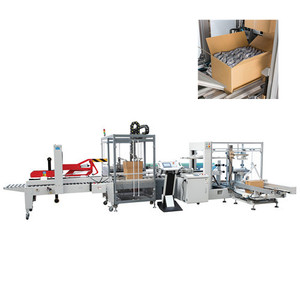
Purchasing packaging trays in isolation from machine engineering frequently leads to operational downtime, high scrap rates, and misaligned seal profiles. Premier manufacturers offer integrated systems—where the tray structure and high-speed packaging machinery (such as carton formers, sleeve wrappers, and top-seal tray denesters) are co-engineered under one roof. Aligning tray stiffness, scoring lines, and denesting lugs with automated machinery guarantees line speeds exceeding 150 to 300 units per minute without tray jam disruptions.
The modern retail tray must function as a silent salesman on the supermarket shelf. Advances in multi-color flexographic and offset printing enable photo-realistic branding directly on outer tray surfaces. Furthermore, enterprise food brands are increasingly integrating anti-counterfeit security features, tamper-evident tear strips, micro-perforations for controlled atmosphere breathing, and digital QR codes for farm-to-fork supply chain traceability directly into the converted paperboard structure.
Connect directly with our senior packaging engineers to evaluate barrier performance, optimize tray dimensions, or request production sample kits for trial runs.
Contact UsAs a publicly traded, globally integrated leader on the New York Stock Exchange (NYSE: GPK), our enterprise architecture bridges the entire value chain—from sustainable forestry management and virgin/recycled paperboard production to converting, precision die-cutting, barrier film lamination, and machinery system installation.
By controlling raw paperboard manufacturing, chemical coating formulation, and packaging converting, we eliminate third-party supply chain bottlenecks, ensuring guaranteed mill-to-factory material availability even during global logistics disruptions.
Our global manufacturing plants operate under certified BRCGS Food Safety Standards, ISO 9001 quality management systems, ISO 14001 environmental protocols, and FSSC 22000 hygiene certifications, assuring enterprise buyers of 100% batch-to-batch traceabilty.
Recognized repeatedly as one of the World's Most Admired Companies by Fortune (2026) and awarded top rankings by 3BL 100 Best Corporate Citizens, our commitment to transparent corporate governance gives multinational procurement directors complete peace of mind during vendor audit and qualification processes.
For standard stock dimensions, MOQs start as low as 10,000 units. For fully customized structural shapes, proprietary barrier laminations, or high-definition custom printing, production MOQs generally range between 50,000 to 100,000 units depending on tray footprint, material caliper, and factory line scheduling.
Yes. Our PaperSeal® barrier tray technology utilizes a continuous, ultra-thin polymer barrier film liner heat-sealed over a rigid paperboard flange. This structure maintains residual oxygen levels below 0.5%, preserving the shelf life of fresh red meat, poultry, seafood, and fresh pasta just as effectively as rigid CPET or PP plastic trays.
We manufacture specific dual-ovenable paperboard and molded pulp formulations engineered to withstand temperatures from -40°C in flash freezers up to +220°C (+428°F) in conventional baking ovens and microwave units without melting, charring, or transferring toxic odor compounds to food.
Our packaging trays are engineered to match standard plastic tray footprints and rim profiles. This allows food processors to run our paperboard trays on existing packaging machinery (such as Mondini, MULTIVAC, or ILPRA sealers) with minimal tooling modification, preserving capital investment while achieving high-speed denesting and sealing.
Our production facilities maintain global food contact certifications including BRCGS (AA grade), FSSC 22000, SQF Level 3, and ISO 22000. All raw materials, barrier coatings, and printing inks are strictly compliant with FDA 21 CFR regulations and EU Regulation No. 1935/2004 for direct food contact.
Designed for true circular economy compliance, the inner barrier film liner features an extended corner tab allowing consumers to effortlessly peel the film away from the paperboard base after use. The clean paperboard substrate is then 100% recyclable in standard curbside paper recycling streams, while the thin film is processed in soft plastics recycling.
Engage with our global application engineers to optimize your packaging line performance, lower carbon footprint, and secure reliable high-volume factory production.
Contact Us