
Directly engineered for sub-zero durability, moisture/gas protection, structural integrity, and automated line speeds.
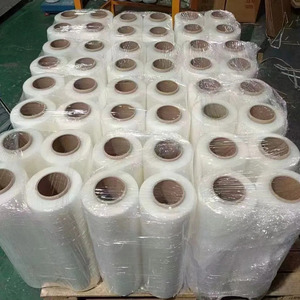
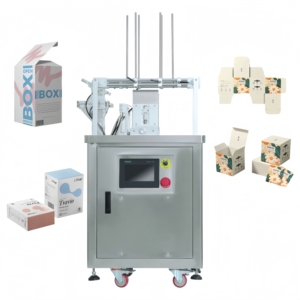
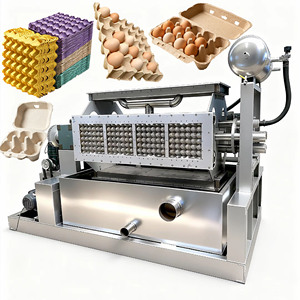
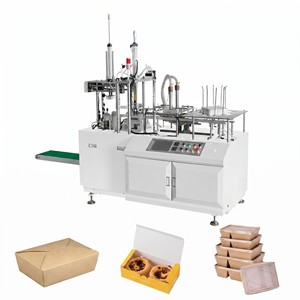

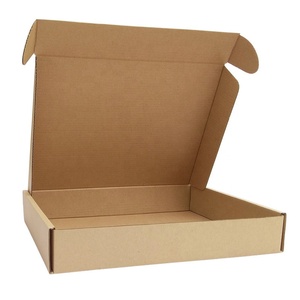

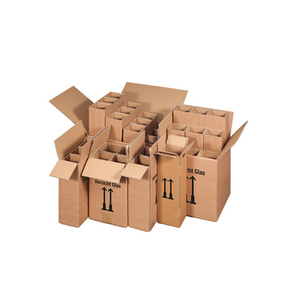
The global cold-chain ecosystem demands unprecedented rigorousness in packaging design. As global consumer preferences shift toward ready-to-eat frozen meals, premium frozen seafood, IQF (Individually Quick Frozen) vegetables, and plant-based protein alternatives, packaging must perform under extreme physical and chemical stress. Leading China frozen food packaging suppliers have transitioned from basic converter roles into specialized material science manufacturers capable of delivering high barrier performance, thermal endurance, structural anti-crushing strength, and full regulatory compliance.
In sub-zero storage environments ranging from -18°C to deep-freeze cryogenic -40°C, standard flexible films and folding paperboards suffer from severe cold brittleness, micro-fracturing, pinholing, and delamination. Furthermore, temperature fluctuations across distribution networks induce condensation, leading to moisture ingress, freezer burn, food dehydration, and accelerated lipid oxidation. To combat these failure modes, advanced packaging architectures integrate specialized polymers, such as linear low-density polyethylene (LLDPE), metallocene polyethylene (mPE), ethylene vinyl alcohol (EVOH), continuous filament non-wovens, and moisture-resistant barrier paperboard substrates.
Preserving organoleptic properties requires near-zero Water Vapor Transmission Rates (WVTR < 0.5 g/m²/24h) and minimal Oxygen Transmission Rates (OTR < 1.0 cc/m²/24h/atm). Multi-layer co-extrusion and aqueous barrier dispersions prevent freezer burn and aroma loss across extended 24-month shelf life windows.
IQF products like frozen shrimp, bone-in poultry, and rigid ice crystals act as internal needles. Utilizing specialized multi-layer blown films with metallocene resins guarantees high impact strength and tear resistance under sub-zero tensile strain.
High-speed form-fill-seal (FFS) lines and auto-folder gluers require precise coefficient of friction (COF), controlled anti-static performance, and fast heat-seal initiation temperatures (SIT) to ensure continuous 120+ ppm throughput without line jam risk.
Selecting the optimal material matrix requires balancing food safety, thermal dynamics, shelf presence, and cost optimization. Enterprise buyers evaluating Chinese manufacturing partners must inspect raw resin quality, extrusion machinery capabilities, and laboratory testing protocols.
China's packaging manufacturing sector has evolved into an integrated industrial ecosystem. Rather than relying on fragmented vendors for raw materials, printing, converting, and packaging equipment, tier-one Chinese exporters offer fully integrated solution architectures. Based on operational data from leading manufacturers such as Graphic Packaging International and top-tier OEM/ODM paperboard facilities, international buyers gain key operational leverage:
Navigating the next decade of frozen food distribution requires supply chain leaders and procurement directors to align structural designs with evolving global environmental regulations, corporate ESG targets, and retail consumer expectations.
Global plastic bans (e.g., EU Single-Use Plastics Directive) are accelerating the replacement of plastic trays and shrink films with fiber-based paperboard alternatives. Solutions like paperboard clips replacing plastic rings (e.g., KeelClip designs) and barrier-lined paper trays (PaperSeal) allow brands to reduce plastic weight by up to 80% while retaining high-barrier MAP (Modified Atmosphere Packaging) functionality.
Legacy multi-material laminates (e.g., PET/AL/PE) are difficult to recycle in standard municipal streams. Trend forecasts show a massive transition toward monomaterial structures—such as All-PE pouch films and mono-PP thermoformed trays—enhanced with ultra-thin vacuum-deposited SiOx/AlOx coatings to provide high gas barriers without compromising recycling stream purity.
Integration of smart indicators—such as Time-Temperature Indicators (TTI), embedded RFID tags, and temperature-sensitive thermochromic inks—directly onto primary and secondary cartons. These innovations provide real-time traceability, alerting logistics managers to micro-temperature breaches along global shipping routes before food quality is compromised.
Labor shortages and rising operational overhead drive demand for integrated packaging systems where suppliers provide both the packaging substrates and automated machinery (basket formers, cartoners, sleeve wrappers, case packers). Co-engineering machinery and packaging materials reduces waste, minimizes downtime, and lowers total cost of ownership (TCO).
When issuing RFQs and auditing prospective Chinese packaging suppliers for sub-zero food applications, procurement officers should conduct a structured multi-point technical audit:
Expert answers addressing technical specifications, regulatory standards, MOQs, and machine synchronization.
Connect with our senior packaging engineers to request technical datasheets, certified food-safety lab reports, custom structural samples, and factory-direct wholesale quotations.