
Discover our comprehensive lineup of rigid composite containers, eco-friendly cartons, roll stock barrier films, and automated packaging equipment engineered to international quality benchmarks.
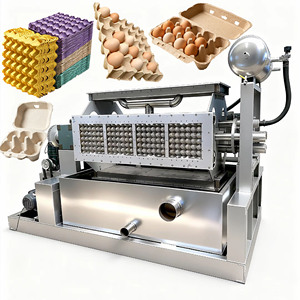
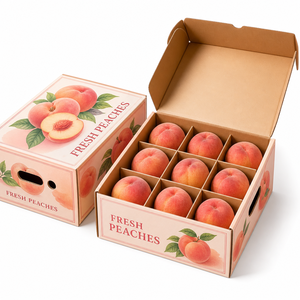
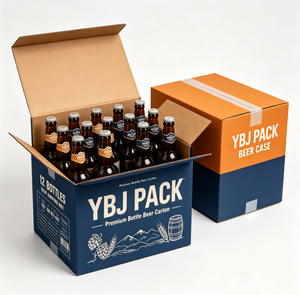
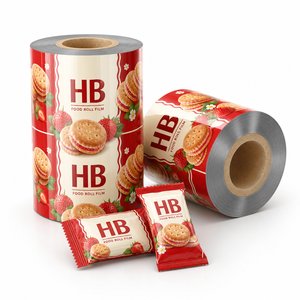

As global brand owners face increasing regulatory pressure to eliminate single-use plastics and optimize supply chain decarbonization, rigid composite cans (also referred to as paperboard canisters, combination cans, or fiber drums) have emerged as the premier high-barrier, eco-friendly packaging structure. Combining structural rigidity, superior moisture and oxygen protection, and high-impact visual branding, composite cans serve critical global industries including infant formula, specialty coffee, tea, nutraceuticals, cosmetics, and wine.
Understanding the engineering integrity of a rigid composite can requires examining its multi-layered wall construction. Each layer is selected to fulfill specific mechanical, physical, and chemical protection functions.
The innermost layer directly contacts the product. It consists of food-grade aluminum foil laminated with PE, PP, or PET film, or bio-based polymer coatings. This layer acts as an absolute barrier against moisture vapor, oxygen ingress, aroma loss, and grease migration.
Comprising multiple plies of high-tensile kraft paperboard spirally or convolutely wound under high tension with food-safe water-based adhesives. This structural core provides exceptional radial stacking strength and axial crush resistance during global transport.
The outer face paper is printed using state-of-the-art offset, flexographic, or gravure presses. Enhanced with soft-touch matte film, hot foil stamping, tactile embossing, or UV spot varnishes, it delivers maximum shelf distinction and anti-counterfeiting protection.
| Packaging Feature | Rigid Composite Can | Traditional Tin Plate Can | Rigid PET Plastic Jar | Flexible Pouch |
|---|---|---|---|---|
| Weight Reduction | High (-65%) | Base Reference (Heavy) | Moderate (-30%) | Ultra High (-85%) |
| Oxygen Barrier (OTR) | Excellent (<0.05) | Impermeable (0.00) | Moderate (1.5 - 5.0) | Variable (0.5 - 2.0) |
| Crush & Stacking Strength | High (>800N) | Maximum (>1500N) | Moderate (>400N) | Low (Requires Outer Box) |
| Carbon Footprint Index | Low (Fiber Base) | High (Energy Intensive) | High (Fossil Fuel Base) | Low |
| Recyclability Potential | Paper Stream Compatible | Metal Stream | Plastic Stream | Difficult Multi-Layer |
Procurement directors and sourcing executives must navigate evolving global trade dynamics, stricter environmental packaging mandates (such as the EU Packaging and Packaging Waste Regulation - PPWR), and volatile raw material costs. Sourcing rigid composite cans from tier-1 Chinese manufacturers provides unmatched strategic advantages.
Historically, composite cans presented recycling challenges due to fixed tinplate bottoms and aluminum easy-open lids attached to paper bodies. The next-generation manufacturing standard pioneered in China incorporates peelable paper membranes and snap-on reclosable bio-based plastic caps, allowing consumers to effortless separate components for localized paper recycling streams.
For delicate dry food powders, roasted coffee beans, and high-fat snacks, maintaining residual oxygen levels below 1% is paramount to prevent lipid oxidation and extend shelf life to 24 months. Modern Chinese composite can assembly lines integrate high-speed inline nitrogen purging and hermetic vacuum seaming technologies, enabling gas-flushed packaging integrity without structural implosion under pressure shifts.
Shipping empty rigid containers across oceans can incur high freight costs per unit. Top China suppliers now offer nested composite can designs, knocked-down flat-pack canister bodies for localized final assembly, or integrated automated container-forming machinery placed directly inside the client's filling plant, dramatically lowering international logistics expenditures.
Replacing traditional PE and foil liners with water-based dispersion coatings applied directly to paperboard. These barrier coatings provide oil, water, and grease resistance while remaining 100% repulpable in standard paper mills.
Embedding high-density QR codes, invisible digital watermarks, and conductive RFID tags directly into the outer paperboard layer to support anti-counterfeiting, real-time inventory management, and interactive consumer engagement.
Next-generation Chinese composite can production lines operate at speeds exceeding 300 cans per minute, equipped with 3D optical vision inspection systems that detect seam flaws, pinholes, or print deviations at millisecond intervals.
We combine decades of fiber packaging innovation, world-class manufacturing infrastructure, and rigorous international compliance standards to deliver reliable packaging solutions for global brands.
Our advanced manufacturing ecosystem bridges raw material conversion, custom structural CAD engineering, high-precision multi-color printing, robotic spiral winding, automated bottom/lid seaming, and turnkey machinery integration. By controlling the entire supply chain from raw paperboard to end-of-line case packing equipment, we guarantee strict quality batch consistency, rapid sample prototyping (within 72 hours), and optimized volume production lead times.
Answers to critical technical, regulatory, and commercial queries for international procurement teams.
Partner with China's leading rigid composite cans manufacturer. Request custom samples, engineering specifications, or a competitive quotation from our technical team.