
High-precision machinery, flexible barrier films, rollstock, and rigid fiberboard containers manufactured to rigorous international standards.

The global industrial fluid packaging landscape is undergoing a monumental shift toward sustainable, high-barrier flexible containment. As multinational brand managers, FMCG procurement directors, and industrial chemical distributors evaluate their supply chain resilience, partnering with verified China top Bag in Box factories and suppliers has become a cornerstone of total cost of ownership (TCO) optimization. Bag-in-Box (BIB) packaging systems—comprising an inner multi-layer flexible bladder and a heavy-duty protective corrugated outer carton—offer unmatched storage density, transport efficiency, and extended product shelf life.
Modern fluid packaging requires strict adherence to physical integrity and chemical compatibility. China's top tier manufacturing facilities have evolved beyond basic plastic film converting. Today, leading Chinese BIB suppliers leverage state-of-the-art 7-layer and 9-layer co-extrusion blown film lines, Class 100,000 cleanrooms for aseptic bag fabrication, automated fitment welding, and fully integrated outer box cartoning machinery. Understanding how to navigate material specifications, barrier properties, dispensing valve mechanics, and factory quality audits is essential for global buyers aiming to de-risk their procurement strategy.
A rigorous economic evaluation highlights why Fortune 500 beverage producers and commercial sauce processors are converting from traditional rigid drums, glass carboys, and high-density polyethylene (HDPE) pails to Bag-in-Box packaging. The advantages span freight footprint, warehouse cube utilization, carbon emission reductions, and dispensing ergonomics.
| Packaging Attribute | Bag-in-Box (BIB) Systems | Rigid HDPE Drums / Pails | Traditional Glass Containers |
|---|---|---|---|
| Inbound Freight Efficiency | Highest (Bags shipped flat; 1 pallet = 1,000+ units) | Low (Ships empty bulky volume; 1 pallet = 20-40 drums) | Lowest (Heavy, fragile, high transport costs) |
| Warehouse Space Utilization | Reduces storage footprint by up to 80% when unfilled | Requires massive warehouse space for empty stock | High risk of breakage, massive storage demand |
| Oxygen Transmission Rate (OTR) | < 0.1 to 0.5 cc/m²/day (EVOH / Metallized PET) | 1.0 to 3.0 cc/m²/day (Standard HDPE permeability) | 0.0 cc/m²/day (Impermeable but heavy) |
| Post-Use Solid Waste Volume | Flattens completely; minimal landfill volume | Bulky hazardous/non-hazardous rigid plastic waste | Heavy recycling process, breakage hazards |
| Dispensing System Integration | Closed-loop fitments (Vitop, Butterfly, Quick-Connect) | Requires external pumps, open pouring risk | Pouring risk, oxygen exposure upon opening |
The structural integrity of a Bag-in-Box inner liquid bladder relies on precise polymer engineering. Leading China BIB packaging factories manufacture custom laminates tailored to the specific chemical and physical characteristics of the liquid payload. The primary film categories include:
The dispensing mechanism is the critical interaction point for consumer ease and commercial fluid transfer. China's top OEM manufacturers collaborate with global valve pioneers to supply certified, leak-proof fitments including:
Vitop Taps & Press Taps: Recognized globally for wine and water applications, delivering a 100% gas-tight seal and effortless single-finger dispensing. Butterfly Valves: Engineered for viscous liquids like honey, chocolate paste, and industrial oils, providing high-flow rates without clogging. Gland & Quick-Connect Connectors: Designed for commercial fast-food fountain dispensers and automated syrup injection systems, featuring drip-free dry-disconnect couplings.
From raw polymer compounding to high-speed outer box converting and automated machinery integration.
Fabrication of food-grade and medical-grade inner bags within certified dust-free environments, guaranteeing zero particulate contamination and ultra-low bioburden.
Full compliance with FDA 21 CFR 177.1520, EU Regulation 10/2011, BRCGS Packaging Materials certification, ISO 9001, and ISO 22000 food safety management protocols.
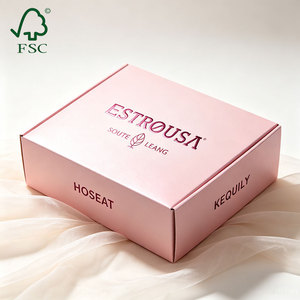
Heavy-duty corrugated kraft outer boxes engineered with offset or flexographic high-graphics printing, structural tear-strips, and reinforced double-wall strength.
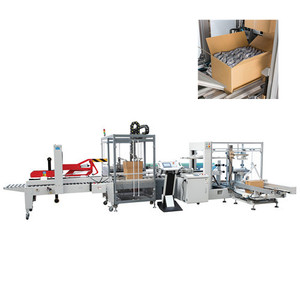
Supply of automated bag formers, liquid filling machines (semi-auto and continuous motion aseptic lines), and top-loader case packers for unified system operation.
100% online burst pressure testing, seal strength pull analysis, pin-hole vacuum decay detection, drop impact evaluation, and heat seal thermal integrity audits.
Development of 100% recyclable mono-PE Bag-in-Box structures engineered for the circular economy, replacing legacy multi-material non-recyclable laminates.
Consolidating your packaging materials, custom converting, and equipment sourcing with a qualified industrial partner.
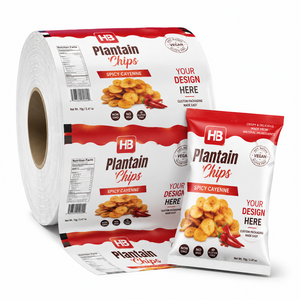
We combine advanced polymer science with renewable paperboard substrates. From folding cartons and heavyweight corrugated mailing boxes to flexible barrier films, our multi-material capabilities eliminate vendor fragmentation.
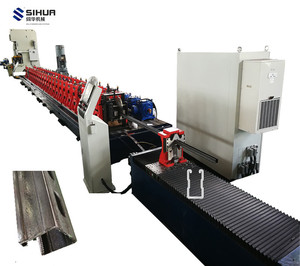
Avoid operational downtime caused by mismatched bags and filling heads. We design and deliver automated case packers, top loaders, and PLC-controlled roll forming units designed to run seamlessly with our packaging supplies.
Operating under strict governance policies with published sustainability benchmarks, ISO certification, and third-party ethical audit clearance (Sedex/SMETA, BRCGS), de-risking vendor approval for corporate procurement teams.
With rapid prototyping, custom valve modeling, regional warehousing support, and reliable export shipment across 85+ countries, our technical engineering team provides end-to-end guidance from brief to full scale.
As the international packaging sector moves toward carbon neutrality and hyper-automated supply chains, procurement directors must align with suppliers capable of delivering next-generation technological innovation. Over the next decade, four decisive trends will re-shape the Bag-in-Box sourcing environment:
Historically, multi-layer high-barrier bags combining PE, EVOH, and PET presented recycling challenges due to mixed polymer layers. Leading Chinese R&D labs are now commercializing Oriented PE (MDO-PE) combined with specialized barrier coatings. This breakthrough enables 100% recyclable mono-material BIB bladders that pass stringent EU recyclability protocols without compromising oxygen transmission protection.
Industrial beverage and liquid food packaging is rapidly adopting fully automatic, high-speed aseptic filling systems operating at speeds of over 30 bags per minute for 10-liter formats. Sourcing teams are favoring Chinese factories that supply continuous web-fed bags featuring laser-perforated connections and automated spout cappings that integrate directly into high-speed European and American filling equipment.
Cold-chain logistics for premium wines, liquid eggs, pharmaceutical reagents, and dairy concentrates require real-time quality assurance. Future Bag-in-Box designs incorporate thin-film RFID chips and printed temperature-time indicators (TTIs) directly onto the bag fitment or outer box, empowering procurement teams to monitor environmental conditions from factory floor to end retail dispenser.
With direct-to-consumer (D2C) wine and bulk liquid purchasing expanding globally, outer corrugated boxes are being re-engineered to pass Amazon ISTA 6-Amazon.com over-the-box drop testing standards. Suppliers are implementing double-wall E/B flute combinations, moisture-resistant varnish coatings, and integrated reinforced handles to prevent transit failure across parcel courier networks.
Answers to essential technical, quality, and commercial inquiries for global packaging buyers.
Talk with our senior packaging engineers today to request technical datasheets, request film samples, or arrange a complete packaging audit for your product line.