
Engineered for cold-chain resilience, high-speed automated cartoning, and global export compliance.
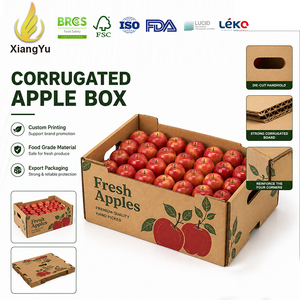
The global fresh produce market is undergoing an unprecedented structural transformation driven by strict single-use plastic mandates, extended cold-chain logistics timelines, and elevated consumer demand for unblemished produce. As international brands, commercial growers, and agricultural exporters search for high-performance packaging solutions, China best fruit packaging trays factories have emerged as the foundational pillar for sustainable, cost-efficient, and structurally superior packaging solutions.
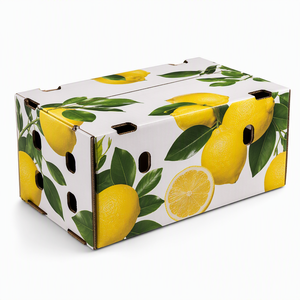
Modern fruit packaging trays are no longer basic passive containers; they are precise thermodynamic micro-environments designed to regulate moisture, dampen structural vibration during long-distance transoceanic transit, and prevent fungal spore cross-contamination. Premier Chinese factories have transitioned from legacy plastic thermoforming toward advanced molded pulp fiber trays, water-resistant vented corrugated paperboard boxes, and high-barrier bio-laminated tray inserts.
Information Gain Insight: Advanced compression testing indicates that precision-molded virgin pulp fruit trays reduce transit damage caused by mechanical shock by up to 34% compared to rigid PET trays, while simultaneously reducing carbon footprints by 62% over full product lifecycles.
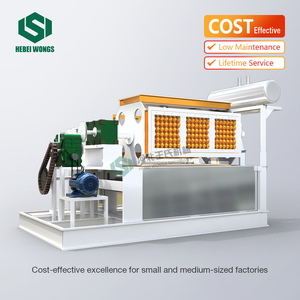
Leading Chinese manufacturing hubs across Shandong, Guangdong, and Zhejiang leverage fully automated, multi-track pulp molding lines capable of producing tens of thousands of custom-pocketed fruit trays per hour. These factories integrate raw sugarcane bagasse, FSC-certified recycled paperboard, and bamboo pulp to manufacture recyclable, compostable packaging tailored for apples, citrus, stone fruit, berries, and avocados.
Engineered pocket geometries match fruit sphericity (apples, pears, peaches), minimizing pressure points and protecting delicate epicarp skins from bruising during maritime export.
Proprietary nano-emulsion hydrophobic coatings allow pulp trays and corrugated cartons to maintain 92%+ structural Edge Crush Test (ECT) strength under 95% humidity cold storage environments.
Computational Fluid Dynamics (CFD) optimized venting slots ensure uniform forced-air cooling, rapidly extracting respiration heat and extending post-harvest shelf life.
As regulatory compliance sharpens globally—exemplified by the European Union’s Packaging and Packaging Waste Regulation (PPWR) and North American state-level plastic bans—fruit packaging tray engineering is shifting toward circular, bio-based, and automated operational ecosystems. Premier Chinese factories are establishing new global standards across four critical dimensions:
A. Transition to Plastic-Free Molded Fiber & PaperSeal Trays: Single-use plastic clamshells and expanded polystyrene (EPS) trays are being systematically replaced by smooth-surfaced thermoformed paperboard trays. Innovations such as barrier-lined paperboard trays allow high-speed top-sealing for modified atmosphere packaging (MAP), combining gas-tight shelf life extension with over 80% plastic reduction.
B. Active & Intelligent Bio-Packaging: Next-generation fruit trays incorporate natural ethylene-absorbers (such as zeolite-infused pulps) and essential-oil antimicrobial liners directly into the tray substrate. This active packaging technology slows down fruit ripening cycles without requiring chemical post-harvest sprays, preserving firmness and brix levels during 30-day ocean freight shipments.
C. High-Speed Machine Integration: Global agricultural packers require packaging materials that execute seamlessly on high-speed automated denesting, loading, and cartoning lines. Chinese OEM suppliers design fruit trays with precision-machined denesting lugs and uniform dimensional tolerances (±0.5mm), eliminating line jams and enabling automated packing speeds exceeding 120 units per minute.
D. Carbon-Neutral Manufacturing & Traceability: Tier-1 fruit packaging factories in China are adopting closed-loop water recirculation systems, solar-powered drying kilns, and FSC/PEFC chain-of-custody tracking. Every tray lot can be digitally linked via QR laser-marking for full agricultural export compliance and farm-to-table traceability.
Sourcing procurement directors must evaluate multiple material attributes when selecting the optimal fruit tray structure. Below is an engineering comparison matrix evaluated by industry packaging engineers:
| Performance Metric | Molded Bagasse Fiber Tray | Vented Corrugated Paperboard | Bio-Laminated MAP Paper Tray | Legacy PET Plastic Clamshell |
|---|---|---|---|---|
| Primary Material Source | Sugarcane Bagasse / Bamboo | FSC Recycled Kraft Paper | Fiberboard + Micro Barrier Film | Fossil Fuel Derived PET |
| High Humidity Strength (RH >90%) | Excellent (Water-repellent treated) | High (Heavy-weight liner) | Superior (Rigid frame) | Maximum (Unaffected) |
| Shock Absorption / Cushioning | Superior (Elastic fiber weave) | Moderate (Requires foam/pocket) | Good | Poor (Rigid impact transfer) |
| Biodegradability & Compostability | 100% Home & Industrial Compostable | 100% Fully Recyclable | Compostable / Recyclable Film Separate | Non-Biodegradable (Landfill risk) |
| EU PPWR Compliance (2026+) | Fully Compliant | Fully Compliant | Fully Compliant | Restricted / Subject to Tariffs |
| Automated Denesting Speed | High (Denesting lug design) | N/A (Carton format) | Ultra-High (>150 ppm) | Ultra-High |
When evaluating China fruit packaging trays factories, international procurement managers must look beyond unit price and assess vendor maturity across comprehensive technical, environmental, and logistical dimensions:
1. In-House Mold Design & Tooling Speed: Fruit varieties vary widely by regional caliber, weight grade, and harvest volume. A top-tier factory must possess dedicated CNC mold-making workshops capable of turning around custom 3D tray prototypes within 5 to 7 business days. Precision aluminum tooling with vacuum drainage channels ensures crisp pocket definitions and burr-free edges.
2. Multi-Certifications & Food Safety Compliance: Direct food-contact fruit trays must comply strictly with FDA 21 CFR 176.170, EU No. 10/2011, BFR XXXVI, and ISO 22000 hygiene systems. Leading Chinese manufacturers operate Class 100,000 clean production environments to prevent heavy metal, mineral oil (MOSH/MOAH), or microbiological contamination during forming and drying phases.
3. Cold-Chain Simulation Testing Capabilities: Qualified factories feature internal environmental testing chambers to subject sample fruit trays to rapid temperature cycling (-2°C to +40°C), drop-shock simulations (ISTA 3A standard), and stack load compression testing. This rigorous QA protocol guarantees zero box collapsing when pallets are stacked 3-high in reefer containers during 40-day sea journeys.
From raw virgin pulp preparation and customized chemical formulation to high-speed die-cutting and automated outer carton packing, full vertical integration guarantees total quality control and stable unit pricing.
Our experienced engineering team utilizes 3D optical surface scanning and CAD software to design custom-contoured trays for avocados, kiwi, mangos, and stone fruits, delivering physical samples in under 7 days.
We supply both the sustainable packaging trays and the high-speed tray denesting/cartoning machinery systems, ensuring seamless mechanical compatibility, high uptime, and unified technical accountability.
Answers to common inquiries from international fruit growers, distributors, and procurement managers.
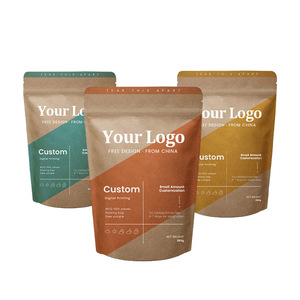
Leading Chinese factories produce molded sugarcane/bamboo pulp trays, vented corrugated paperboard shipping boxes, plastic-replacement PaperSeal MAP trays, biodegradable PLA kraft pouches, and automated egg/fruit tray production lines. These span across retail packs, inter-leaf transport trays, and heavy-duty export boxes.
Export-grade molded pulp trays are formulated with food-safe internal sizing agents and wax-free hydrophobic coatings. This engineering enables trays to maintain structural rigidity and absorb moisture without sagging, even when subjected to 90–98% relative humidity in refrigeration rooms over 30 to 45 days.
Standard custom pulp tray tooling requires 5 to 7 days for 3D CAD design and CNC aluminum mold milling. Sample approval takes 3 days. Standard MOQs for custom fruit trays start at 50,000 units, while standard catalog tray formats can be ordered starting at 10,000 units with a 14-day production lead time.
Yes. All virgin pulps, paperboards, functional barrier coatings, and printing inks undergo strict third-party laboratory testing (SGS, TUV, Intertek) to ensure compliance with FDA 21 CFR 176.170, EU Regulation No. 1935/2004, and heavy metal limits (CONEG/94/62/EC).
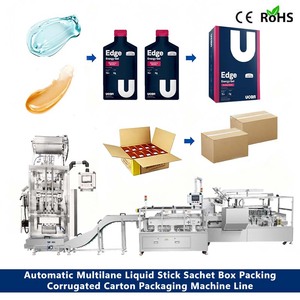
Yes. Premier suppliers engineer fully integrated solutions, supplying both the paperboard packaging materials and automated machinery—including high-speed tray denesters, sleeve wrappers, fully enclosed cartoners, and liquid stick pack lines—ensuring turnkey line performance.
Vented corrugated cartons utilize heavy-duty virgin kraft outer liners combined with high-density corrugated fluting (BC or EB flute). Vent locations are strategically engineered using finite element analysis (FEA) to maximize vertical corner compression strength (BCT) while ensuring optimal internal air circulation.
Partner with China’s leading fruit packaging trays factory to optimize cold-chain protection, achieve 100% sustainability compliance, and secure factory-direct pricing.