
Engineered high-barrier flexible films, greaseproof papers, and automated converting equipment compliant with strict international compostability frameworks.
Recognized for industry-leading corporate ethics, governance, and end-to-end biopolymer packaging innovation.
Consistently honored on Fortune World's Most Admired Companies (2026), Ethisphere World's Most Ethical Companies, and 3BL 100 Best Corporate Citizens. Our environmental claims are backed by audited ESG metrics and global compliance verification.
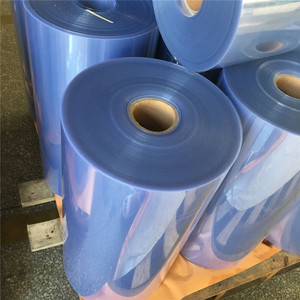
We eliminate single-source failure points by delivering both CE-compliant flexible films and proprietary high-speed converting/cartoning machinery. Optimized heat-sealing windows guarantee 99.8% line uptime on high-speed VFFS and HFFS packaging lines.
Our bio-based lidding films, rollstock, and food wraps undergo multi-stage testing for food contact safety under EU 10/2011 and US FDA guidelines. Featuring zero micro-plastic toxicity and complete zero-heavy-metal formulation certified under EN 13432.
As fast-moving consumer goods (FMCG) brand owners, contract packaging organizations (co-packers), and international procurement teams navigate the transition away from single-use fossil fuel polymers (such as standard LLDPE, OPP, and rigid PVC), the technical demand for high-performance biopolymers has reached a critical inflection point. Achieving a CE Certified Compostable Packaging Film solution requires balancing complex thermodynamic parameters: maintaining high moisture/oxygen barrier protection while enabling accelerated microbial degradation upon disposal.
A frequent blind spot for international sourcing executives is confusing basic "biodegradability" with certified industrial compostability compliant with European Directives. CE marking on flexible packaging structures verifies health, safety, and environmental standards across the European Economic Area (EEA), while full compliance requires passing four standardized analytical pillars under EN 13432:
Native biopolymers often exhibit physical performance trade-offs. Polylactic Acid (PLA) provides superior clarity, high tensile modulus, and excellent stiffness, but lacks impact ductility and heat-sealing flexibility. Conversely, Polybutyrate Adipate Terephthalate (PBAT) offers exceptional flexibility and elongation at break, yet lower tensile strength. Our engineering team utilizes advanced co-extrusion technologies to blend biopolymer resins into multi-layer composite films that deliver equivalent performance to traditional flexible polyolefins.
| Film Grade / Structure | Thickness Range | OTR (cc/m²/24h) | WVTR (g/m²/24h) | Primary Target Applications |
|---|---|---|---|---|
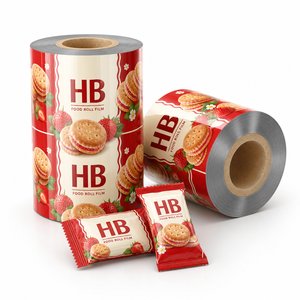
| Bio-Clear Barrier Laminate (PLA/PBAT) | 25µm - 65µm | < 1.5 | < 12.0 | Dry food rollstock, biscuit wrapping, snack pouches |
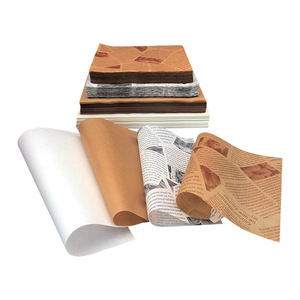
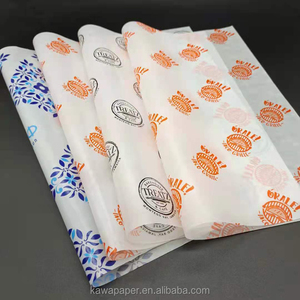
| Aqueous-Coated Barrier Paper | 45 gsm - 90 gsm | < 0.8 | < 5.0 | Burger wraps, parchment paper, bakery sandwich packaging |
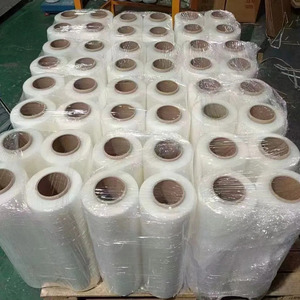
| High-Elongation Compostable Stretch | 12µm - 23µm | N/A (Breathable) | N/A | Pallet wrap, outer carton stretch bundling, clear protective film |
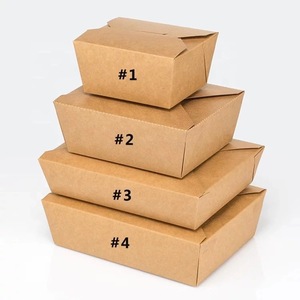
| Rigid Thermoforming Bio-Sheet | 100µm - 800µm | < 2.0 | < 8.0 | Blister packaging, fresh protein trays, takeaway box inserts |
Driven by the European Union’s updated Packaging and Packaging Waste Regulation (PPWR) and global extended producer responsibility (EPR) legislation, procurement strategies are shifting dramatically. Key trends shaping enterprise packaging supply chains include:
Historically, multi-layer films combined disparate plastics (e.g., PET/PE/FOIL), rendering them unrecyclable and non-compostable. Future procurement demands mono-material biopolymer structures featuring ultra-thin, nano-cellulose or vacuum-deposited SiOx barrier coatings. These coatings provide exceptional shelf-life extension without sacrificing compostability or introducing micro-plastics into the environment.
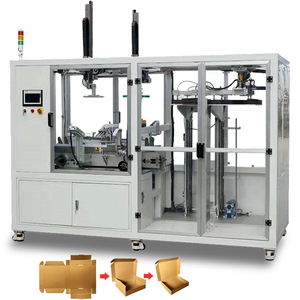
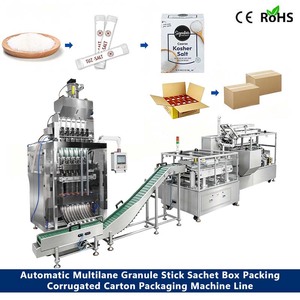
Converting lines running certified eco-films often experience narrow sealing windows, seal burn-through, or mechanical drag. Sourcing managers increasingly favor integrated enterprise partners who provide both the consumable biopolymer film rollstock and custom cartoning, tray forming, or stick-pack machinery (such as 6-lane sachet packaging systems). This dual-capability ensures mechanical timing, friction coefficient (COF) control, and temperature profiles are dialed in prior to factory acceptance testing (FAT).
While bio-resins carry a raw material premium over traditional virgin polymers, the net Total Cost of Ownership is rapidly converging. High EPR plastic taxes, carbon import levies, and brand equity damages associated with legacy plastics make CE certified compostable films cost-positive over a 3-year horizon.
Recent advancements from our R&D facilities have overcome long-standing performance limitations of eco-friendly flexible packaging:
Clear, authoritative answers addressing common technical, regulatory, and logistics queries regarding compostable film procurement.
Request technical data sheets, compliance documentation, or schedule a consultation with our packaging engineering team to discuss custom biopolymer structures, machinery line integration, and global volume pricing.